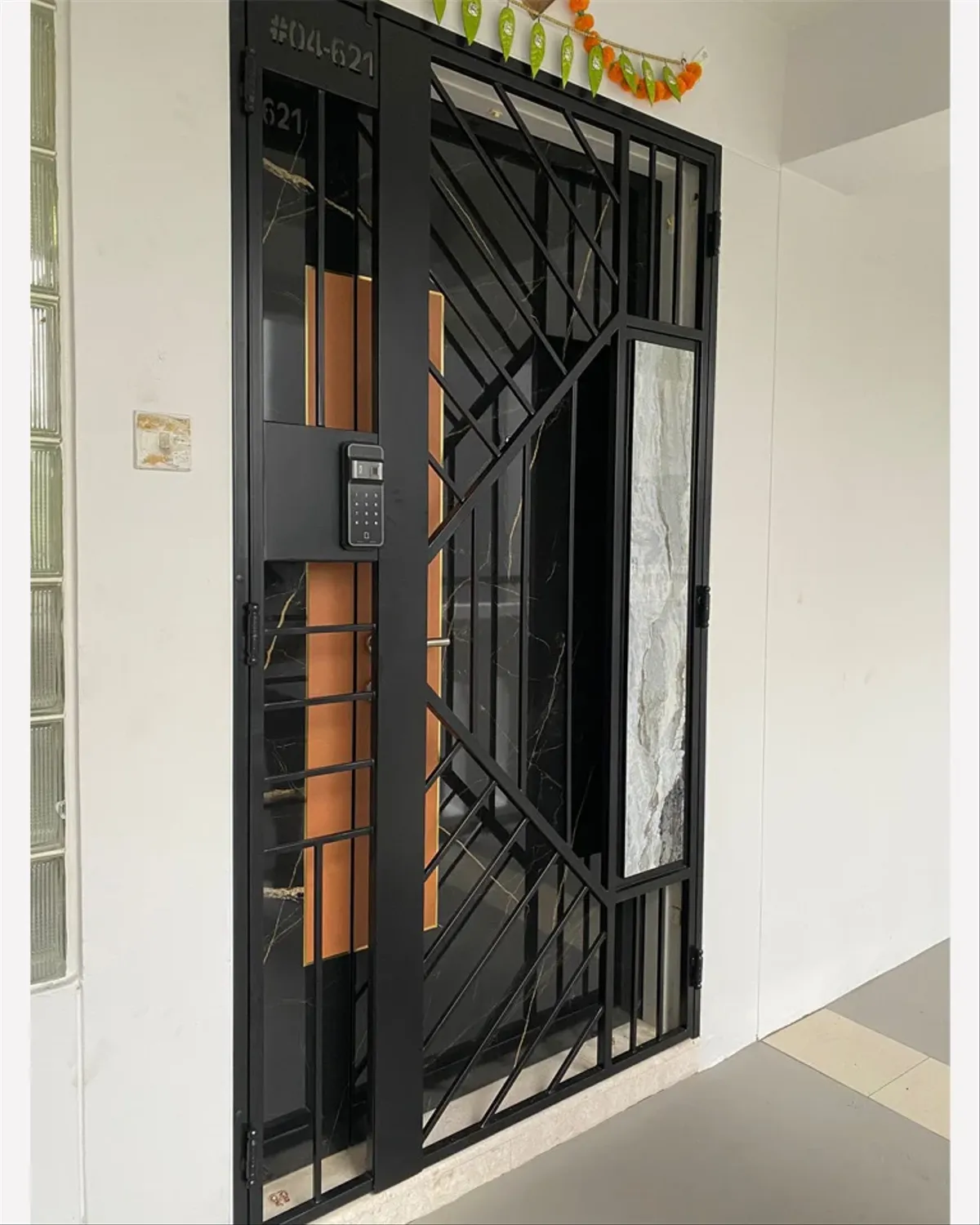
When homeowners invest in a digital lock, they usually focus on the technology, security features, and brand reputation. However, an equally important factor often goes unnoticed: the material used on the main door. The surface material of a door plays a crucial role in determining how well a digital lock performs, how long it lasts, and how aesthetically pleasing the final installation appears. Among the most commonly used surface materials are Formica and low-cost laminates, and the differences between them can significantly impact the overall experience of owning a digital lock.
The main door is not just a structural element of the house. It also acts as the platform that supports all installed hardware, including handles, hinges, and the digital lock. When a lock system is installed, it requires precise drilling, stable mounting, and long-term structural integrity. If the door surface material is not strong enough or begins to deteriorate over time, the stability of the digital lock may be affected. This is where the distinction between Formica and cheaper laminate materials becomes important.
Formica is known for its durability and consistency. It is manufactured using layers of high-quality paper infused with resin and compressed under heat and pressure. This process creates a strong, dense surface that resists wear, scratches, and moisture. Because of this structural strength, a door finished with Formica can hold a digital lock more securely over long periods. The material does not easily warp or loosen around drilled areas, which helps maintain the lock’s alignment and smooth operation.
Cheap laminates, on the other hand, are often produced with lower-grade materials and thinner construction. While they may appear similar to premium laminates initially, their internal composition can be weaker. When a digital lock is installed on such surfaces, the drilling process may create small cracks or stress points in the laminate layer. Over time, daily use of the door, combined with environmental changes like humidity and temperature fluctuations, can cause the laminate to peel, bubble, or loosen around the lock installation area.
Another important factor is moisture resistance. Main doors are exposed to varying environmental conditions, especially in areas with high humidity or frequent rain. Formica surfaces typically offer better resistance to moisture penetration. This helps protect the door’s internal core and prevents swelling or warping near the installation site of a digital lock. When the door remains structurally stable, the lock mechanism continues to function smoothly without unnecessary pressure on its internal components.
Cheap laminates may not offer the same level of protection. If moisture seeps into the edges or beneath the laminate layer, the material can begin to lift or deform. When this happens near the area where a digital lock is mounted, the alignment between the lock body and the door may shift slightly. Even a minor misalignment can affect the lock’s performance, leading to difficulties in closing the door or engaging the locking mechanism properly.
The aesthetic impact of door material is another important consideration. A digital lock is often designed to complement modern interiors with sleek finishes and clean lines. When installed on a door with a high-quality Formica surface, the result tends to look more refined and professional. The material maintains a smooth and consistent appearance around the lock
In contrast, cheap laminates may start to show signs of wear sooner. Scratches, fading, or uneven textures can develop with regular use. If the laminate begins to peel or crack around the edges of the digital lock installation, the door may appear poorly maintained even if the lock itself is functioning perfectly. Since the entrance door is one of the first elements people notice in a home, maintaining a clean and durable finish becomes essential.
Installation quality is also influenced by the door surface material. Professional installers prefer working with materials that provide stability and predictable performance. Formica surfaces tend to respond well to drilling and cutting during the installation of a digital lock. The material holds screws firmly and maintains its shape even after modifications are made to accommodate the lock components.
With cheaper laminates, installers sometimes face challenges because the material may chip or splinter when drilled. This not only makes installation more difficult but can also create uneven edges around the lock panel. Over time, these imperfections may become more visible and affect the visual appeal of the door.
Long-term maintenance is another aspect that homeowners should consider. A door finished with Formica generally requires minimal upkeep. Its resistance to stains and scratches helps maintain its appearance even after years of daily use. When paired with a digital lock, this durability ensures that both the door surface and the lock hardware continue to look well-maintained.
Cheap laminates may require more frequent care to maintain their appearance. Minor damages such as scratches or peeling edges can gradually worsen if not addressed. When these issues occur near the installed digital lock, they may draw attention to the installation area and make the door look older than it actually is.
The relationship between door material and lock performance is often underestimated. A digital lock relies on precise alignment between its external and internal components. If the door surface shifts, swells, or weakens over time, the locking system may experience additional stress. Using a stable surface material like Formica helps ensure that the digital lock remains properly aligned and operates smoothly throughout its lifespan.
Homeowners investing in modern security systems should therefore think beyond the lock itself. The supporting structure, especially the door surface, plays a vital role in the long-term success of the installation. Choosing a durable laminate such as Formica provides a reliable foundation that enhances both the performance and appearance of a digital lock.
Ultimately, the comparison between Formica and cheap laminates highlights the importance of quality materials in home design. While budget laminates may seem like a cost-saving option at first, their limitations can affect the durability and presentation of installed hardware. A well-finished door surface not only supports the structural integrity of a digital lock but also ensures that the entrance of the home maintains a polished and modern look for years to come.
Visits us : https://www.mydigitallock.com.sg