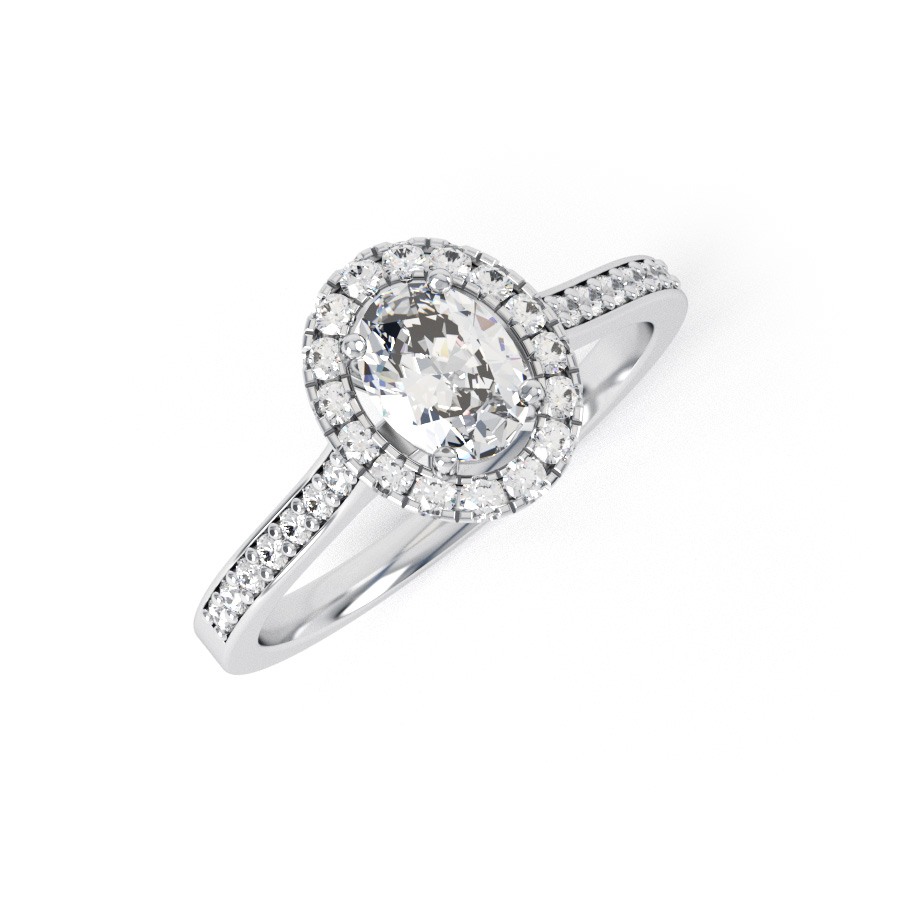
Proposing with the perfect engagement ring is a beautiful gesture — until you discover it doesn't fit. Getting the ring size right without spoiling the surprise is one of the trickier logistics of a romantic proposal, but it's far from impossible. Here are the methods that actually work.
Why Ring Size Matters (and Doesn't Need to Be Perfect)
First, a reassurance: you don't need to get the size exactly right. Most reputable jewellers offer a free resize within a set period after purchase — often 30 to 90 days. So even if the ring arrives slightly too big or too small, it can be fixed quickly and without drama.
That said, having a close estimate makes everything smoother. A ring that fits well from the moment of the proposal photographs better, feels more special, and avoids the brief awkwardness of fumbling with a ring that clearly doesn't fit.
Method 1: Borrow One of Their Existing Rings
This is the most reliable method. If your partner wears rings on the same finger (typically the ring finger of the left hand in the UK), borrow one discreetly — while they're in the shower, asleep, or when they've left it on a surface.
Take it to a jeweller who can measure it, or trace the inside circle on a piece of paper and bring that to the jeweller. If you're ordering online, many ring size guide tools allow you to match your tracing to a printed chart. Just make sure to specify which finger the ring is worn on — ring fingers can vary.
Method 2: Ask Their Family or Friends
If you're already in the process of speaking to family about the proposal, this is a natural extension. A parent, sibling, or close friend may already know the ring size — especially if they've bought jewellery together before. Alternatively, they can ask casually without raising suspicion (blaming it on a birthday present, for instance).
This approach works well but requires trust that the secret will hold. Only use this route with people you're confident won't let it slip.
Method 3: Compare with a Ring Sizer Chart at Home
If you can get access to a ring they own, even briefly, many jewellers provide printable ring sizer guides that you can use at home. You place the ring over the circles on the chart until you find the closest match. It's not as precise as a professional measurement, but it gets you within one or two sizes — which is close enough.
Method 4: Make an Educated Guess Based on Hand Size
As a rough guide, slender hands typically wear sizes J–L, average hands L–N, and larger hands N–P (using UK sizing). These are very rough estimates, but if you have no other option, starting here gives you a reasonable basis for discussion with a jeweller.
The average UK women's ring size is L–M. If your partner appears to have average-sized hands, this is a reasonable place to start and allows for an easy resize in either direction.
Method 5: Use a String While They Sleep
This sounds more complicated than it is. If you're willing to attempt it, gently wrap a thin strip of paper or soft string around your partner's ring finger while they sleep, marking where it overlaps. Measure the circumference and compare it against a ring size chart. It requires a steady hand and a partner who sleeps soundly, but it works.
What to Tell the Jeweller When You're Uncertain
Be upfront. A good jeweller handles this situation constantly and will advise you accordingly. When browsing engagement rings at Marlow's Diamonds — whether in their showroom or online — let them know it's a surprise proposal and ask about their resize policy before completing your purchase. Knowing you have that safety net will take significant pressure off the process.
After the Proposal: Getting It Resized
Most resizes are simple and quick — adjusting by one or two sizes typically takes a day or two and is done in-house by the jeweller. Simple bands are easiest to resize. Rings with continuous pavé settings, full eternity bands, or complex structures can be more challenging, which is worth considering when choosing a style if you're unsure of the size.
Once the ring is properly sized, it should sit comfortably at the base of the finger with a slight resistance when pulled over the knuckle. A ring that slides off too easily will eventually be lost — and that's a more pressing concern than a temporary poor fit on proposal day.