Laundry is a crucial component of our household tasks. Laundry must be done in large quantities for hotels, eateries, and resorts. All linens must be spotless and fragrant, including sheets, towels, tablecloths, and napkins.
Everything is going online, and on-demand laundry apps are helping commercial laundry units streamline their operations, improve the customer experience, and reduce costs. As a result, more and more commercial laundry units are adopting these apps to stay competitive in the marketplace. Thus with the mounting orders, the demand for laundry chemicals is also growing.
But do you know what laundry detergents are used to preserve these stacks of crisp, clean, and stain-free sheets and textiles?
Commercial garment washing plants use several chemicals for different functions in the washing process. Here are the chemicals and their functions in detail:
Enzymes
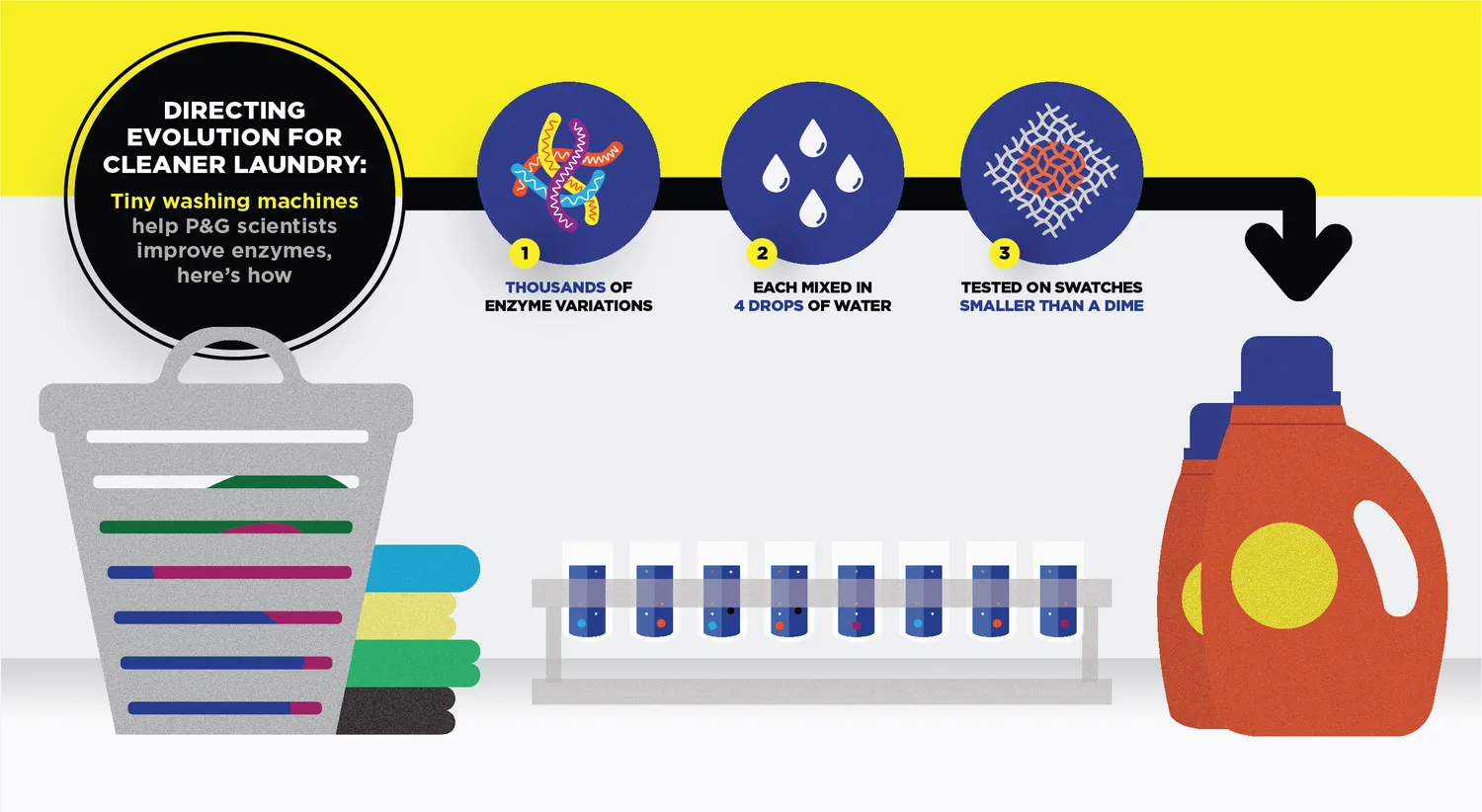
These biological catalysts break down the fabric's proteins, starches, and other organic compounds. They are used to remove stains, soften the material, and improve the color of the garment. Different types of enzymes are used in garment washing, such as proteases, amylases, and cellulases. Proteases break down protein-based stains like blood, grass, and sweat, while amylases break down starch-based stains like food and beverage spills. Cellulases, on the other hand, soften the fabric and give it a worn-out look.
Bleaches
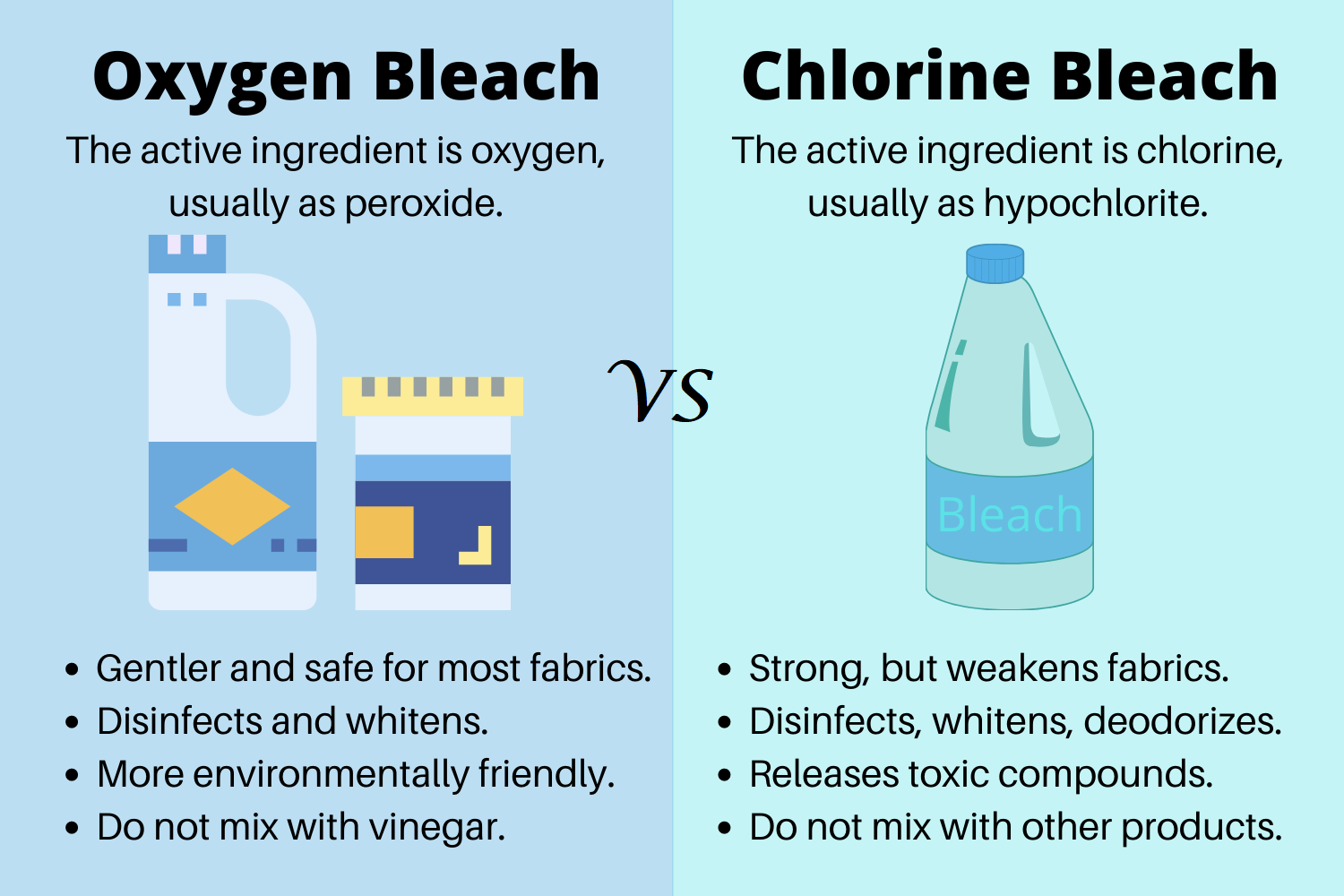
To remove stains and whiten the fabric, we often use bleach. Chlorine bleach is commonly used for white garments, while hydrogen peroxide bleach is used for colored clothes. Chlorine bleach works by oxidizing the stain and breaking it down into smaller molecules that can be rinsed. Hydrogen peroxide bleach releases oxygen, which reacts with the stain and removes it from the fabric.
Surfactants
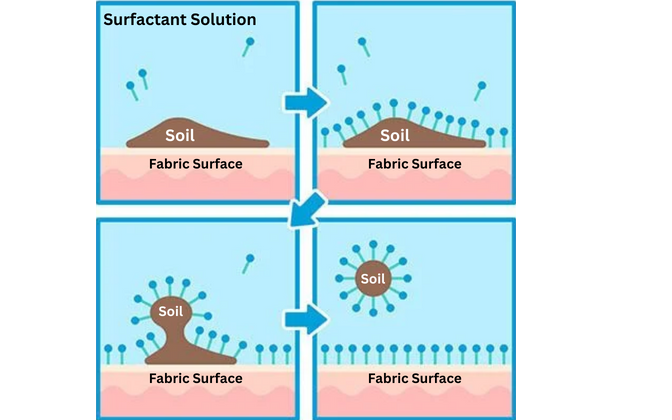
Surface-active agents that remove dirt and stains from the fabric are Surfactants. They are also used to improve the wetting and rinsing properties of the water. Surfactants have a hydrophobic (water-repelling) and a hydrophilic (water-attracting) end, which allows them to surround and remove dirt particles from the fabric. They also reduce the surface tension of water, allowing it to penetrate the material more easily.
Alkalies
To raise the pH level of the water, alkalies are used. They break down dirt and oil stains on the fabric. They are usually in sodium hydroxide or potassium hydroxide, which react with the acidic components in the stain and break them down. Alkalies also help open the fabric fibers, allowing the other chemicals to penetrate more deeply.
Acids
Acids are used to lower the pH level of the water and remove mineral deposits and rust stains from the fabric. They are usually in the form of acetic acid or hydrochloric acid. Acids neutralize the alkaline residues left by the detergents and alkalies and dissolve mineral deposits and rust stains.
Softeners
Softeners are used to make the fabric feel softer and more comfortable to wear. They are also used to reduce static cling and wrinkles. Softeners work by coating the fabric fibers with a thin layer of lubricant, which reduces friction and makes the fabric feel smoother. They can be cationic (positively charged) or nonionic (no charge).
Detergents
Detergents are used to clean the fabric and remove dirt and stains. They are formulated with surfactants, enzymes, and other additives to improve their cleaning performance. Detergents break down the dirt particles and suspend them in the water, allowing them to be rinsed away.
Optical Brighteners
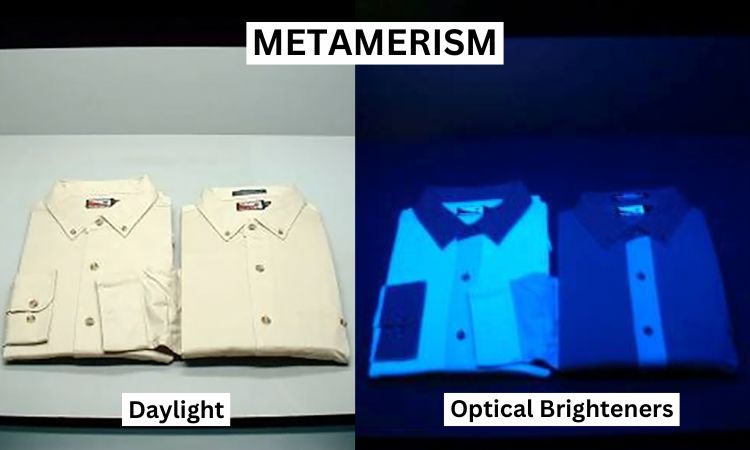
Optical brighteners are additives used to enhance the brightness and whiteness of the fabric. They work by absorbing invisible ultraviolet light and re-emitting it as visible blue light, which makes the material appear whiter and brighter. Optical brighteners are commonly used in detergents and fabric softeners.
Antimicrobial Agents
Antimicrobial agents kill or inhibit the growth of microorganisms, such as bacteria and fungi, that can cause odors or infections. They are commonly used in sports apparel, hospital garments, and other high-risk applications. Antimicrobial agents can be in the form of silver ions, triclosan, or other chemical compounds.
Solvents
Solvents dissolve and remove oil-based stains and paints from the fabric. They are usually in the form of organic compounds, such as perchloroethylene, commonly used in dry cleaning. Solvents effectively remove stubborn stains, but they can be hazardous to human health and the environment if improperly handled.
Rust Inhibitors
Rust inhibitors prevent or remove rust stains on the fabric. They work by reacting with the iron oxide (rust) and converting it into a soluble compound that can be rinsed away. Rust inhibitors are commonly used in industrial and workwear garments exposed to metal surfaces.
Flame Retardants
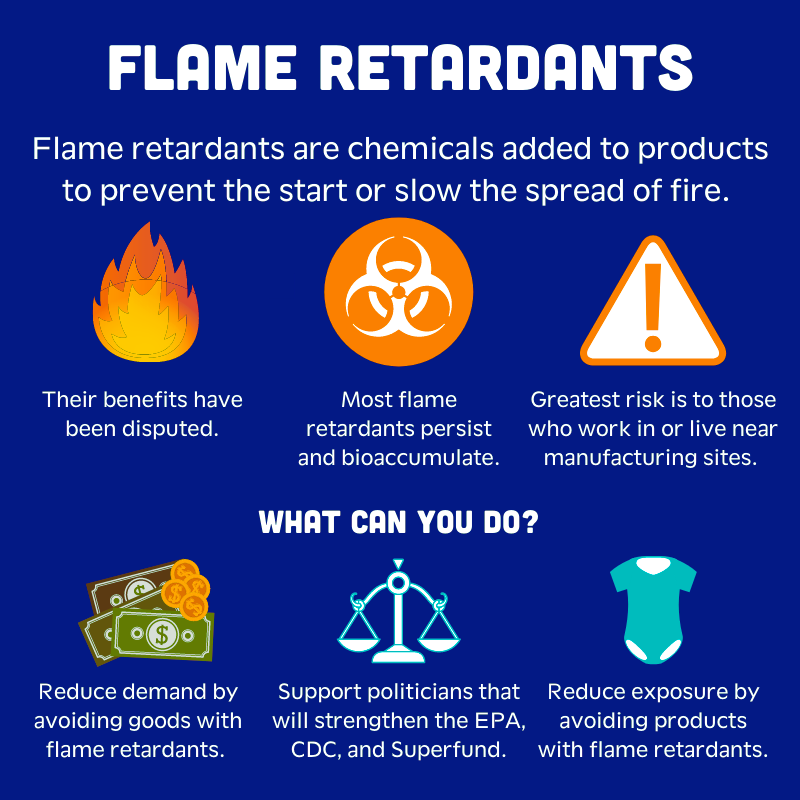
Flame retardants are chemicals added to the fabric to reduce its flammability and prevent it from catching fire. They are commonly used in children's clothing, upholstery, and bedding. Flame retardants can be in the form of halogenated compounds, such as brominated flame retardants, or non-halogenated compounds, such as phosphorus-based flame retardants.
To reduce their adverse effects on the environment and safeguard human health, it is crucial to use these compounds only in the prescribed dosages and to adhere to the correct safety protocols.
Conclusion
If you are running a laundry business, you need to ensure that your laundry room isn’t ladened with a lot of enzymes. So, to make sure your business isn’t affected by these rules, simply check and reach the right place!