Architecture and urban planning are two deeply connected disciplines that play a crucial role in shaping how people live, work, and interact within the city. While an architect focuses on designing buildings, an urban planner looks at the broader picture—organizing spaces, infrastructure, and communities.
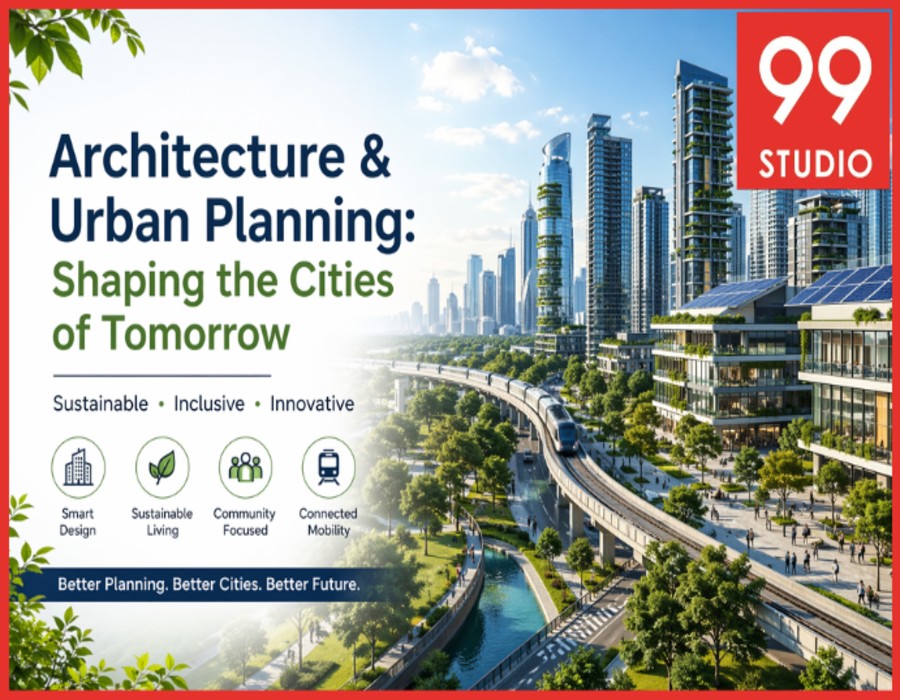
In modern cities, urban planning is no longer just about land distribution. It involves sustainability, mobility, and improving quality of life. The growing population, environmental concerns, and rapid development have made urban design and planning more important than ever.
However, challenges such as congestion, housing shortages, and climate impact continue to push professionals to rethink the role in shaping urban environments.
What is Architecture?
Architecture is both an art and a science that focuses on designing buildings and spaces. An architect is responsible for creating structures that balance form, function, and aesthetics.
Types of Architecture
- Residential architecture – homes and apartments
- Commercial architecture – offices, malls, and business spaces
- Institutional architecture – schools, hospitals, public buildings
- Landscape architecture – outdoor spaces, parks, and open environments
An architect does more than design structures—they influence how people experience space. Their work contributes significantly to the overall urban design and identity of a place.
What is Urban Planning?
Urban planning is the process of designing and organizing land use and infrastructure to ensure efficient and sustainable development. An urban planner works on improving how cities function socially, economically, and environmentally.
Types of Urban Planning
- Strategic planning – long-term city development goals
- Land-use planning – zoning and space allocation
- Transportation planning – mobility and connectivity
- Environmental planning – sustainability and conservation
At its core, urban planning ensures that development happens in a structured way, enhancing both livability and efficiency.
Read More: Architecture and Urban Planning: Shaping the Cities of Tomorrow