A clogged garbage disposal can be frustrating, but with a little knowledge and the right tools, you can usually fix it yourself. Whether your garbage disposal is not working, making strange noises, or you’re simply dealing with a stubborn clog, this guide will walk you through the steps to unclog garbage disposal and restore it to full function. Let’s dive into the causes and solutions for a smooth-running garbage disposal.
Common Causes of Garbage Disposal Clogs
Understanding the reasons why your garbage disposal is not working can help you avoid similar problems in the future. Here are a few common culprits behind a clogged garbage disposal:
- Food Waste Buildup: Over time, food particles can accumulate in the disposal, leading to a clog.
- Grease or Oil: Pouring grease or oil down the drain can solidify and cause blockages.
- Large Objects: If too much food is added to the disposal at once, or if large, hard objects like bones are put down, it can create a blockage.
- Foreign Objects: Utensils, plastic, or other hard objects may accidentally fall into the disposal, causing a jam.
Knowing the source of the issue can guide you to the right solution when you need to unclog garbage disposal.
Tools You Will Need
Before starting the unclogging process, gather these tools:
- A flashlight
- An Allen wrench (most disposals come with one)
- Tongs or pliers
- A plunger
- A sink plunger (optional)
- Dish soap
- A wrench for loosening parts
- A bucket or towel (to catch any water that may spill out)
Step-by-Step Process to Unclog a Garbage Disposal
1. Turn Off the Power
Before you begin any work on your garbage disposal, make sure the power is turned off to avoid accidents. Unplug the unit or turn off the circuit breaker.
2. Check for Visible Clogs
Using a flashlight, look inside the disposal for any visible food debris or foreign objects. If you see something stuck, try to remove it using tongs or pliers. Avoid using your hands to reach inside the disposal.
3. Use the Allen Wrench to Free the Jam
If you don’t see any obvious blockage but your garbage disposal is not working, it might be jammed. Most disposals have a hexagonal hole at the bottom where you can insert an Allen wrench. Insert the wrench and manually turn it back and forth to help loosen any obstruction inside the disposal.
4. Plunge the Disposal
If the clog persists, you can use a sink plunger to dislodge it. Make sure the sink’s drain is covered with a damp cloth to create a seal. Place the plunger over the disposal drain and plunge vigorously to break up the clog.
5. Use a Homemade Solution for Mild Clogs
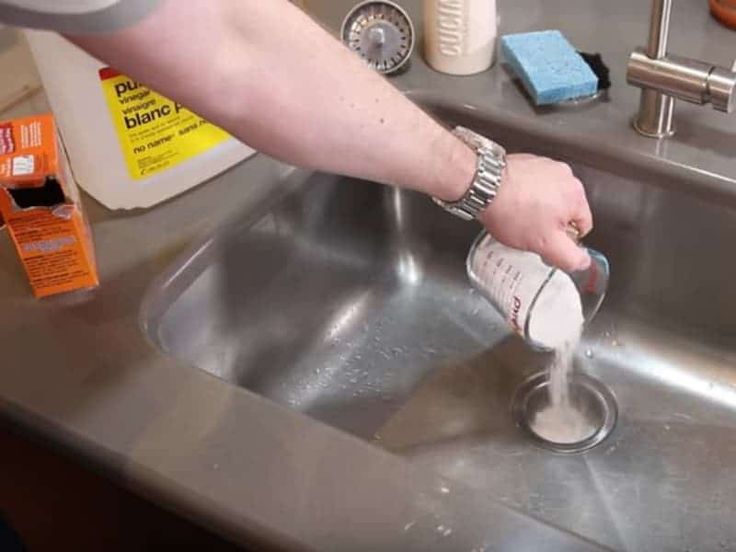
For smaller, organic blockages, a mixture of baking soda and vinegar can help clear things up. Pour half a cup of baking soda down the disposal followed by half a cup of vinegar. Let the solution sit for 10 to 15 minutes. Then, flush it with hot water to break down grease or food particles.
6. Check for Leaks
If you notice water pooling beneath your sink or an unusual smell, it may indicate a garbage disposal leaking. Inspect the disposal for leaks around the seals, pipes, or connections. Tighten any loose bolts or replace faulty seals. If you’re not sure how to address the leak, it’s best to consult a professional plumber.
7. Reset the Disposal
After freeing the clog, plug the disposal back in and press the reset button, typically located on the bottom of the unit. Once reset, run cold water through the disposal to check if the clog is fully cleared and the unit is functioning properly.
Additional Tips to Maintain a Healthy Garbage Disposal
- Avoid Overloading: Don’t stuff the disposal with too much food waste at once.
- Run Cold Water: Always run cold water when using the disposal to help solidify fats and oils, making them easier to grind up.
- Regular Cleaning: Clean the disposal with ice cubes or citrus peels to keep it fresh and reduce odors.
- Avoid Certain Foods: Never put hard items like bones, corn husks, or fibrous vegetables (like celery) in the disposal as they can cause damage or clogs.
When to Call a Professional
While these steps will help you unclog garbage disposal in most cases, sometimes the problem may be more severe, such as if your garbage disposal is leaking or completely malfunctioning. If you’ve tried all the DIY methods and your disposal is still not working, it might be time to call a professional plumber. They can diagnose complex issues like motor failure, internal damage, or electrical problems, and provide the right solutions.
Conclusion
A clogged garbage disposal doesn’t have to be a nightmare. By following these simple steps, you can quickly resolve the issue and get your disposal working again. From clearing minor blockages to addressing leaks and malfunctions, you now have the tools and knowledge to unclog garbage disposal efficiently. Remember, routine maintenance and care are key to keeping your garbage disposal running smoothly for years to come. If problems persist, don’t hesitate to contact a plumbing expert to ensure your unit remains in top condition.
4o mini