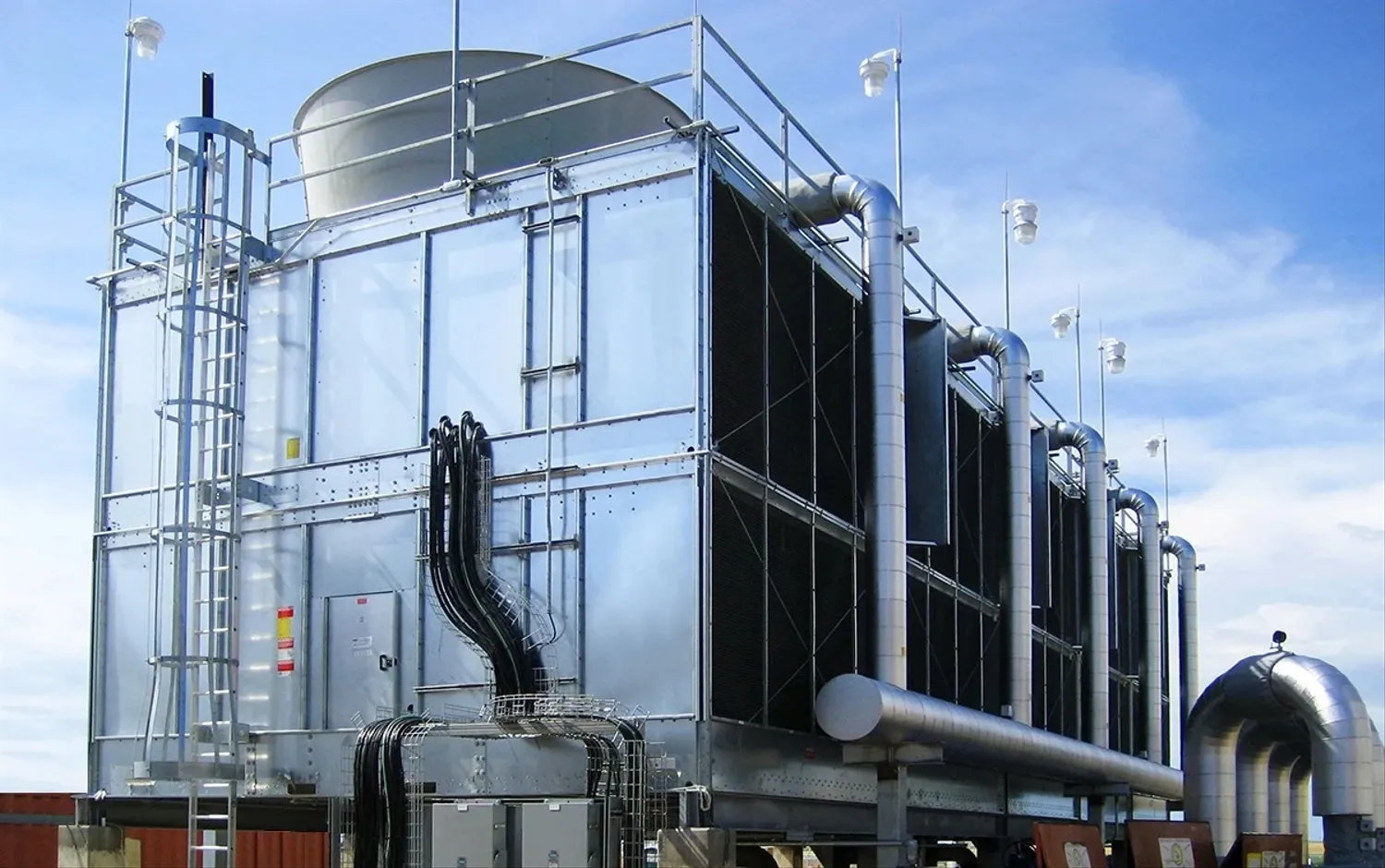
Cooling towers are essential components in many industrial processes, providing efficient heat rejection. However, managing the water quality in these systems is a constant challenge due to issues like scaling, corrosion, and biological growth. Recent advancements in cooling tower water treatment technologies have significantly improved efficiency, sustainability, and operational costs. This article explores these cutting-edge technologies and their impacts.
Emerging Trends in Cooling Tower Water Treatment
The shift towards more sustainable and efficient water treatment methods marks a significant trend in the industry. Traditional chemical treatments are being replaced or supplemented with advanced technologies that reduce environmental impact and improve operational efficiency. These include electrochemical techniques, ultrasonic treatment, and advanced filtration systems. Click here to know more about cooling tower water treatment processes.
Electrochemical Scale Prevention and Water Conditioning
One of the most notable advancements is electrochemical scale prevention. This technology uses electrically charged plates to induce precipitation of scale-forming minerals, which are then removed from the water system. This process not only prevents scale formation but also conditions the water, reducing the need for traditional chemical treatments. The electrochemical method is highly effective, environmentally friendly, and reduces the risks associated with handling and storing chemicals.
Ultrasonic Algae Control
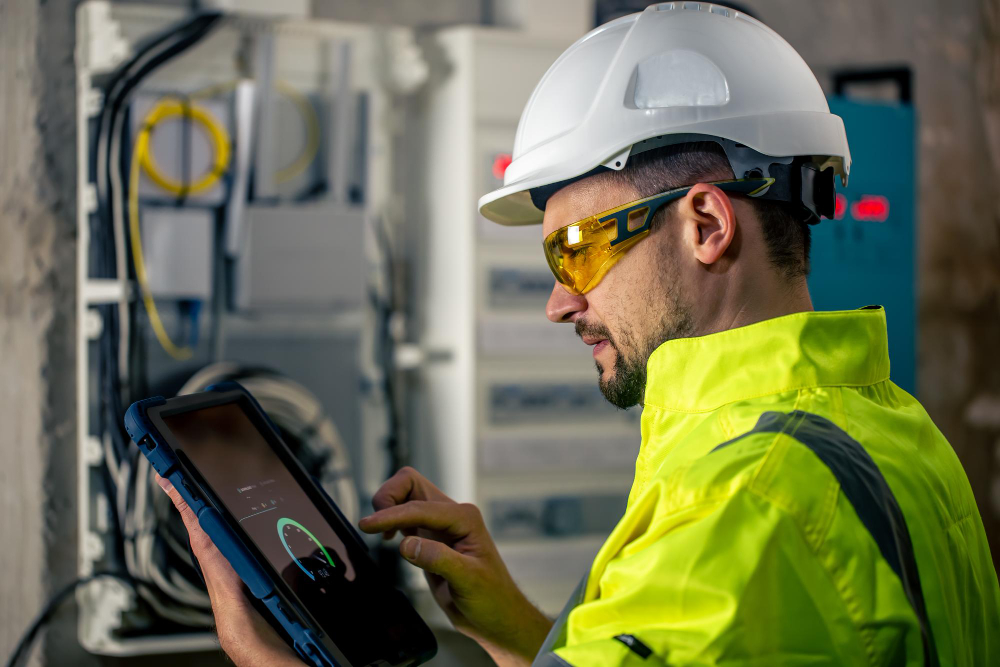
Algae growth in cooling towers can lead to significant operational issues. Ultrasonic algae control is an innovative approach that uses high-frequency sound waves to disrupt the cellular structure of algae, preventing their growth. This technology is environmentally friendly and reduces the need for biocides, thereby decreasing chemical usage and the potential for harmful byproducts.
Advanced Filtration Systems
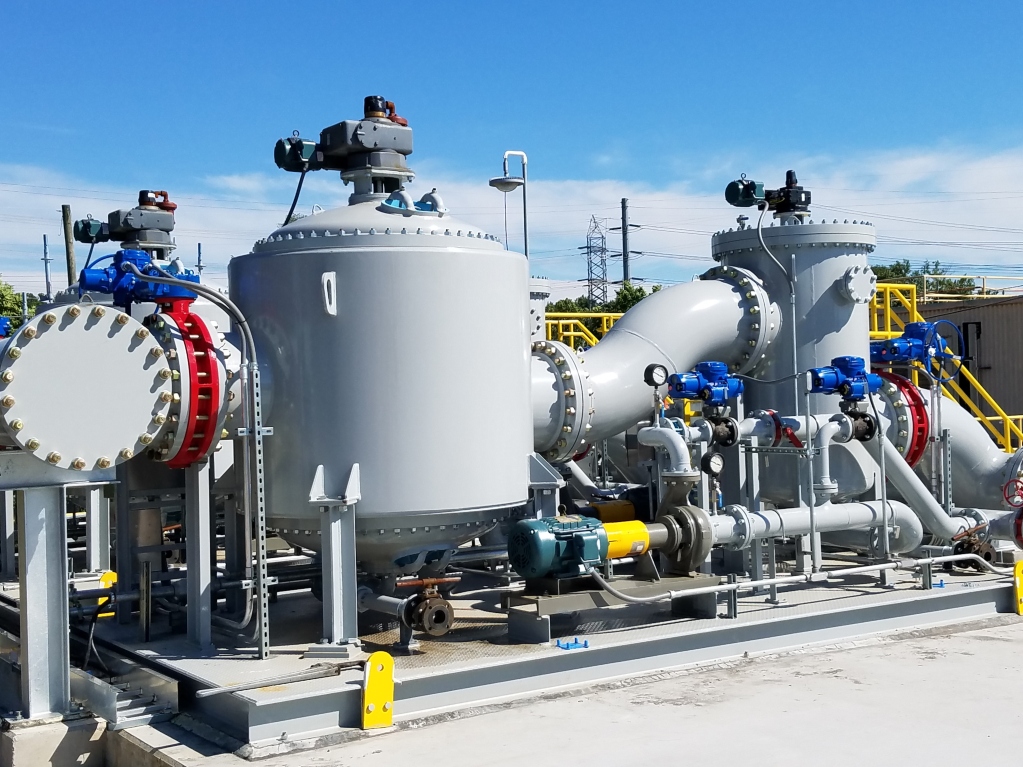
The implementation of advanced filtration systems has dramatically improved the removal of suspended solids and other impurities from cooling tower water. These systems use fine membranes or advanced media to filter out contaminants, significantly improving water quality. This not only helps in preventing scaling and corrosion but also reduces the overall chemical load required for water treatment.
Automated Monitoring and Control Systems
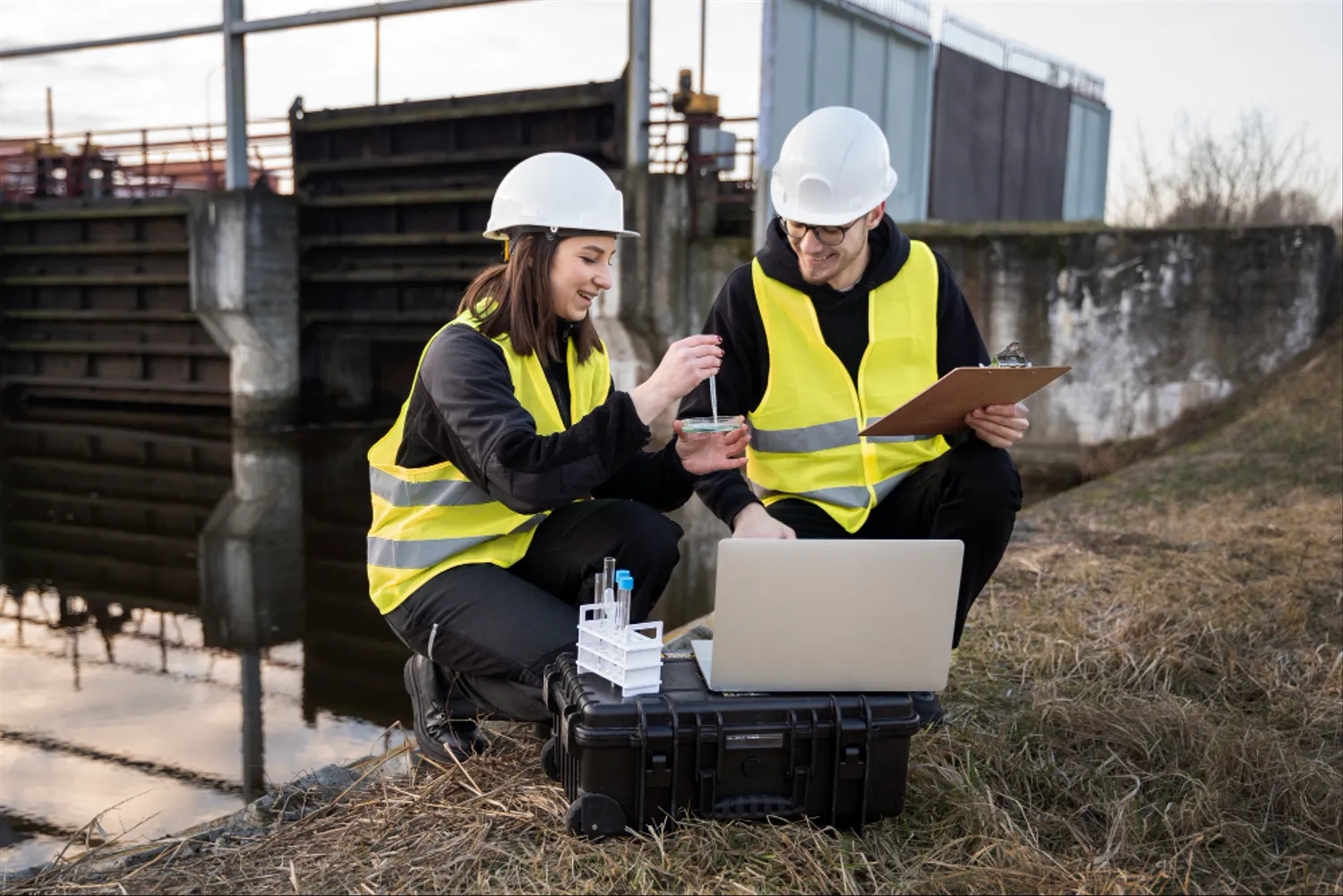
Automation in water treatment technologies is revolutionizing cooling tower operations. Automated monitoring and control systems enable real-time tracking of water quality parameters, such as pH, conductivity, and turbidity. These systems can automatically adjust water treatment processes based on the data collected, ensuring optimal water conditions at all times. This not only improves efficiency but also reduces the need for manual intervention and the potential for human error.
Chemical-Free Water Treatment Options
The move towards chemical-free water treatment options is gaining momentum. Technologies like UV treatment and ozone generation are being increasingly adopted. UV radiation effectively destroys bacteria and viruses without adding chemicals to the water. Similarly, ozone treatment is an effective biocide that leaves no harmful residuals. These technologies contribute to a safer and more environmentally friendly cooling tower operation.
Water Conservation and Reuse Strategies
Water scarcity and conservation concerns are driving the adoption of technologies that enable water reuse in cooling towers. These include advanced blowdown recovery systems and the use of alternative water sources, such as greywater and rainwater. By recycling and reusing water, these technologies significantly reduce water consumption, making cooling tower operations more sustainable.
Integration with Renewable Energy Sources
Integrating cooling tower operations with renewable energy sources, such as solar and wind power, is a forward-thinking approach to reducing the carbon footprint. This integration not only reduces operational costs but also aligns cooling tower operations with broader sustainability goals.
Conclusion
The advancements in cooling tower water treatment technologies represent a significant step forward in industrial water management. By embracing these innovations, industries can achieve greater operational efficiency, environmental sustainability, and cost savings. As these technologies continue to evolve, they are expected to play an increasingly vital role in the efficient and sustainable operation of cooling towers worldwide.