Can You Catch Cancer? Debunking the Myths About Cancer Contagion
Discover the scientific truth about cancer and contagion. Learn why cancer is not contagious, how cancer spreads within the body, and the real risks of transmission.
When people hear the word "cancer," a range of emotions follows. One of the most persistent questions people ask is whether Is Cancer Contagious? Can you catch Cancer?. Given the mysterious nature of cancer, it’s no surprise that myths about its transmission have flourished. This article will address common misconceptions, explain the nature of cancer, and help you understand why cancer contagion is not something you need to worry about.
What Is Cancer?
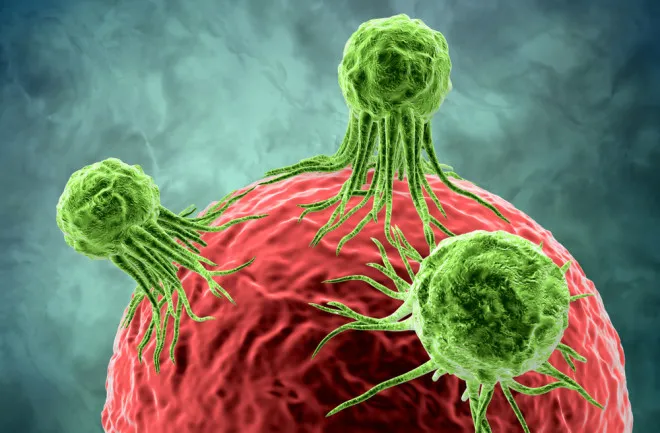
Cancer is not a single disease but a collection of related conditions characterized by uncontrolled cell growth. This abnormal growth results in tumors that can invade and damage surrounding tissues. While cancer can spread within an individual's body through a process known as metastasis, it does not spread from one person to another like a virus or bacteria.
How Cancer Develops
At its core, cancer begins with genetic mutations within cells. These mutations disrupt the normal process of cell division and growth, leading to uncontrolled replication. Over time, these cancerous cells form tumors and can spread to other parts of the body. Factors such as genetics, environmental exposure, lifestyle choices, and even random cell replication errors contribute to the onset of cancer.
Can You Catch Cancer? Addressing the Myth
The short answer is no: cancer is not contagious. It cannot be transmitted from one person to another like the flu or other infectious diseases. Here are the main reasons why cancer is not contagious:
1. Cancer Does Not Spread Through Germs
Cancer cells are abnormal versions of a person’s own cells. Because cancer is the result of genetic mutations within a person’s body, it is not caused by bacteria, viruses, or any external pathogen that can be passed between individuals. Even if cancer cells were somehow introduced into another person’s body, their immune system would recognize the foreign cells and destroy them.
2. No Evidence of Cancer Transmission
Throughout decades of cancer research, no credible evidence has emerged to suggest that cancer can be spread between people. Medical professionals, including oncologists and caregivers who spend significant time around cancer patients, are not at an increased risk of developing the disease. Even close physical contact, such as hugging, kissing, or sharing food, does not pose any risk of transmission.
3. Organ and Tissue Transplantation
In extremely rare cases, there have been reports of cancer transmission through organ transplantation, where a donor had undiagnosed cancer. However, these cases are exceedingly rare, and rigorous screening of donors helps prevent such occurrences. Additionally, organ transplant recipients are often on immunosuppressant drugs, which make them more susceptible to all types of diseases, including cancer. This is not reflective of typical human-to-human contact.
Cancer-Causing Viruses: A Separate Issue
While cancer itself is not contagious, certain viruses that increase the risk of developing cancer can be transmitted. For example, Human Papillomavirus (HPV) and Hepatitis B are viruses that can increase the risk of cancers such as cervical cancer and liver cancer. However, it's crucial to understand that these viruses themselves are contagious, not the cancer. Proper vaccination and safe practices can help mitigate the risks associated with these viruses.
Conclusion
The fear that cancer might be contagious is based on misunderstandings and myths. Cancer is not an infectious disease; it arises from genetic mutations within an individual’s own body. While some viruses that increase cancer risk are contagious, cancer itself is not. The best way to reduce your risk is to adopt healthy lifestyle choices, get vaccinated, and participate in regular screenings for early detection.