A bright, white smile is often associated with health, beauty, and confidence. Over time, however, factors like food, drink, smoking, and aging can lead to stained or discolored teeth. Thankfully, teeth whitening treatments offer an effective way to restore the natural brightness of your smile. While both in-office and at-home teeth whitening options are popular, each offers distinct advantages and limitations. In this blog, we’ll compare the two, highlighting the pros and cons of each to help you decide which option is best suited to your lifestyle and whitening goals.
In-Office Teeth Whitening
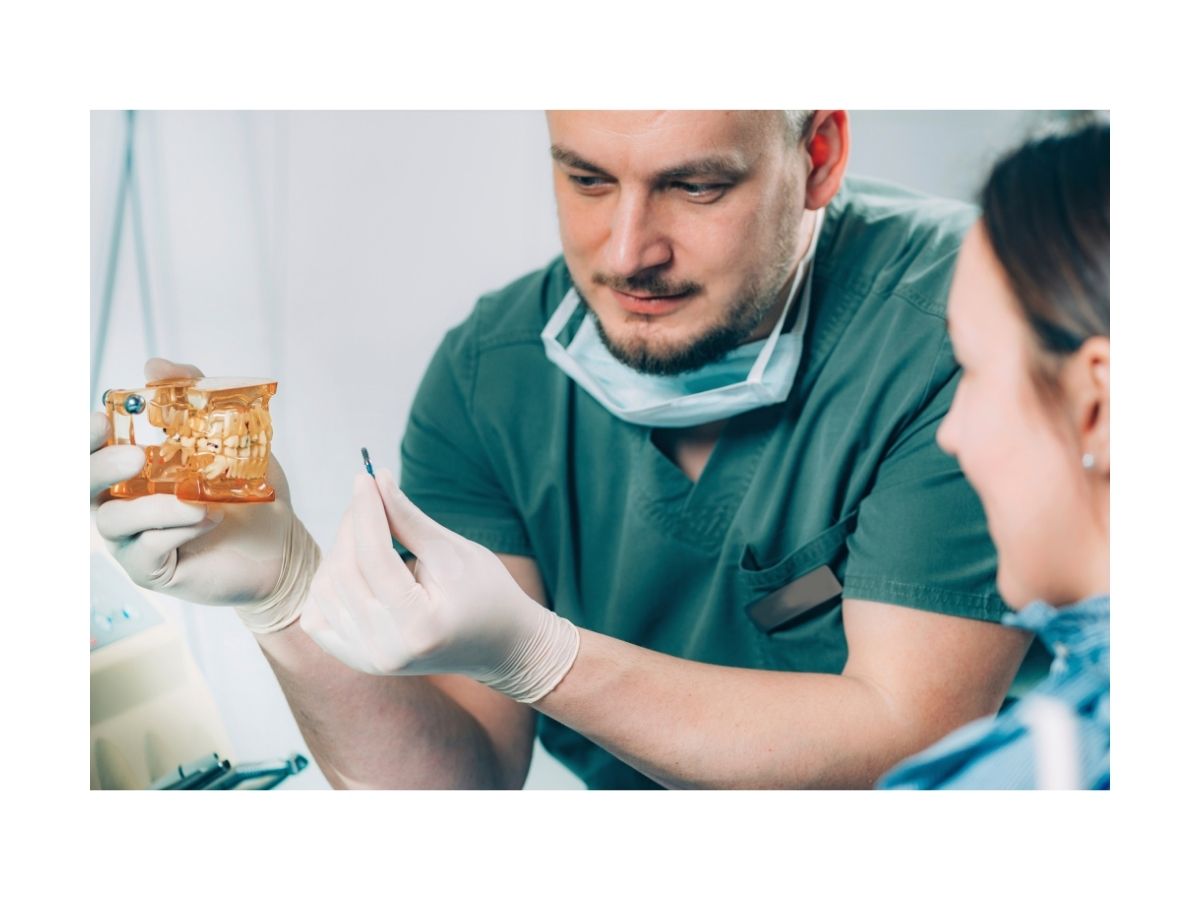
In-office whitening, often referred to as professional teeth whitening, is performed by a dentist or dental professional. The process typically involves the application of a high-strength bleaching gel to your teeth, which is activated with a special light or laser to speed up the whitening process.
Pros of In-Office Whitening:
- Faster Results:One of the main advantages of in-office whitening is the speed. The treatment usually takes about 60-90 minutes and can result in teeth that are several shades lighter in just one session. In some cases, you might achieve your desired shade in a single visit.
- Stronger, Professional-Grade Products:Dentists use stronger bleaching agents than those found in over-the-counter or at-home products. These professional-grade gels, when applied correctly by a trained professional, can deliver faster and more dramatic results. The higher concentration of hydrogen peroxide in the gel means more effective whitening, especially for stubborn stains.
- Safer and More Controlled:When you undergo in-office whitening, you’re in the hands of a trained dental professional. This ensures that the process is safe, and they can monitor the treatment to avoid overuse or damage to your gums and teeth. Dentists also use protective barriers to shield your gums from the bleach, reducing the risk of irritation or sensitivity.
- Immediate Results:With in-office whitening, you’ll see a noticeable improvement right away, making it an ideal option if you need a fast transformation for a special event, such as a wedding, job interview, or important meeting.
- No Need for Daily Commitment:Unlike at-home whitening, which often requires you to use strips or gels daily over the course of weeks, in-office whitening requires no follow-up sessions. It’s a quick, one-and-done solution for those with limited time.
Cons of In-Office Whitening:
- Cost:In-office teeth whitening is typically more expensive than at-home options. The price can range from $400 to $1,000 depending on the treatment and location. For some, this higher cost may not fit within their budget, especially if they’re looking for a more affordable option.
- Potential Sensitivity:While the risk of irritation is lower with professional whitening, some patients may still experience tooth or gum sensitivity following the treatment. The stronger bleaching agents used in-office can temporarily make your teeth more sensitive to hot or cold foods and beverages.
- Not Ideal for All Types of Stains:In-office whitening is highly effective for surface stains caused by food, drink, or tobacco use. However, if you have deeper intrinsic stains (those that are beneath the enamel), it might not offer the same level of success. In such cases, the dentist may recommend additional treatments or options like veneers.
At-Home Teeth Whitening
At-home teeth whitening offers a convenient and budget-friendly alternative to in-office treatments. There are several types of at-home whitening products, including whitening toothpaste, whitening strips, gels, and trays. These products contain lower concentrations of bleaching agents than professional treatments and typically require longer periods of use to achieve noticeable results.
Pros of At-Home Whitening:
- Cost-Effective:At-home whitening options are significantly cheaper than in-office treatments. Depending on the product, you could pay anywhere from $20 to $200 for a whitening kit, making it an affordable option for most people.
- Convenience and Flexibility:One of the biggest benefits of at-home whitening is that it allows you to whiten your teeth on your own schedule. Whether you’re watching TV, reading, or relaxing, you can apply whitening strips or gels while doing other activities. You can even whiten your teeth overnight if using a tray system.
- Gradual Results:At-home teeth whitening offers a more gradual approach, which can be an advantage for those who prefer subtle changes over time. This slower process can allow you to achieve the desired results without the shock of dramatic immediate whitening, which some people might find too intense.
- Customization:With at-home kits that involve custom-fitted trays, you can target specific areas of your mouth that need whitening. Some products also offer varying concentrations of whitening agents, allowing you to choose a strength that matches your comfort level and goals.
- Minimal Sensitivity:Because the bleaching agents in at-home products are generally weaker, the risk of tooth sensitivity is usually lower. Many people find that they can tolerate at-home whitening without experiencing discomfort, making it a better choice for those with sensitive teeth.
Cons of At-Home Whitening:
- Slower Results:One of the main drawbacks of at-home whitening is that it takes time. Depending on the product, it can take anywhere from a few days to several weeks of consistent use before you see noticeable results. If you need quick results for a special event, in-office whitening is a more efficient option.
- Less Potent:At-home whitening products contain lower concentrations of bleaching agents than professional treatments, meaning the results are typically less dramatic. While these products can certainly lighten your teeth, they may not be able to address more stubborn or deeply set stains effectively.
- Potential for Uneven Results:Achieving consistent whitening with at-home products can be challenging. Whitening strips may not fit well on your teeth, and gel trays can sometimes cause uneven application, leading to inconsistent results. Additionally, overuse of whitening products can result in uneven whiteness or damage to your enamel.
- Requires Consistent Use:At-home whitening requires a commitment to regular use, which can be difficult for people with busy schedules. Forgetting to apply a whitening strip or missing a session can delay your results, and you’ll need to be consistent to achieve the full effect.
- Risk of Gum Irritation:While not as common as with in-office treatments, at-home products can still cause gum irritation or sensitivity, particularly if the product comes into contact with the gums. Following the instructions carefully is essential to avoid discomfort or damage.
Which Option is Right for You?

Choosing between in-office and at-home teeth whitening depends largely on your personal preferences, budget, and how quickly you want results.
- Choose In-Office Whitening If: You need fast, dramatic results for a special event.
You prefer a professional, hands-off experience where you don’t have to worry about applying treatments yourself.
You have significant stains or discoloration that may require stronger whitening agents.
You’re willing to invest in a higher upfront cost for immediate, noticeable results. - Choose At-Home Whitening If: You’re on a budget and prefer a more affordable option.
You have more time and will be patient for gradual, subtle results.
You have mild to moderate staining that can be effectively addressed with less powerful products.
You prefer a flexible treatment plan that fits into your daily routine.
Conclusion:
Both in-office and at-home teeth whitening offer effective ways to brighten your smile, but each has its own set of benefits and drawbacks. If you’re looking for fast, professional results, in-office whitening may be the best choice. On the other hand, if you prefer a more affordable, flexible option with gradual results, at-home whitening could be the right solution for you.
Before deciding, it’s a good idea to consult with your dentist, especially if you have any existing dental conditions like sensitive teeth or gum issues. Your dentist can recommend the best approach based on your unique needs and help you achieve the smile you’ve always wanted.
Ultimately, whether you choose in-office or at-home whitening, the most important factor is finding a solution that fits your goals and lifestyle. With the right approach, you can enjoy a brighter, more confident smile in no time!