The Emergence of a Global Dystopia and the Erosion of Democratic Values
PROLOGUE:
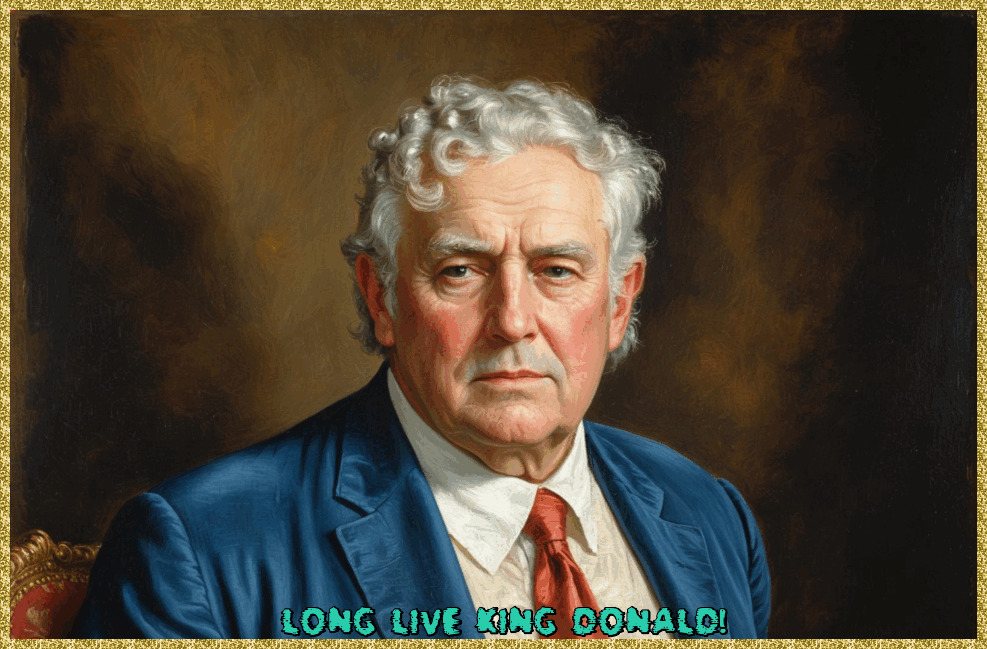
Since Donald J. Trump took office as President of the United States for the second time in January 2025, the nation has undergone a profound and troubling transformation, resembling a descent into dystopia. His administration sparked widespread concern, signalling the onset of a disconcerting form of governance that many viewed as a budding tyranny.
Trump, a businessman known more for his brashness than political acumen, displayed a narcissistic approach, driven by an insatiable thirst for power and wealth, and was often indifferent to the significant disruption this caused to social and economic balance and to the erosion of trust among his followers. This leadership style has had lasting adverse effects on American democracy, raising questions about the health of its institutions and norms.
In his relentless ambition, he consistently chose to set aside empathy and integrity, prioritizing his selfish, self-aggrandizing aspirations. This approach severely undermined democratic principles, eroded the foundational spirit of democracy, and diminished global confidence in the United States as a beacon of liberty and justice. As his administration progressed, many citizens found themselves engulfed in a shadow of fear and confusion, grappling with a governance style that had devolved into a political battleground, characterized by manipulation and self-preservation amid a fierce power struggle. These actions have cast doubt on the United States' global leadership and damaged its reputation among allies and adversaries alike.
What should have been an invigorating exercise in democracy, where diverse voices could coalesce to shape the nation's future, devolved into an era marked by stark alienation and pronounced societal divisions. The landscape was rife with active chaos and intermittent violence, reminiscent of a fracture in the social contract. This nightmarish experience of confusion and instability has taken a toll on the American populace, compelling citizens to continuously strive to preserve democratic values and institutions, often in the face of daunting challenges. The moral fabric of society, once woven with threads of unity and shared purpose, has been increasingly torn apart in Trump's unyielding pursuit of ambition and profit, leaving a legacy of estrangement and discord that threatens the foundation of American democracy.
I. Introduction
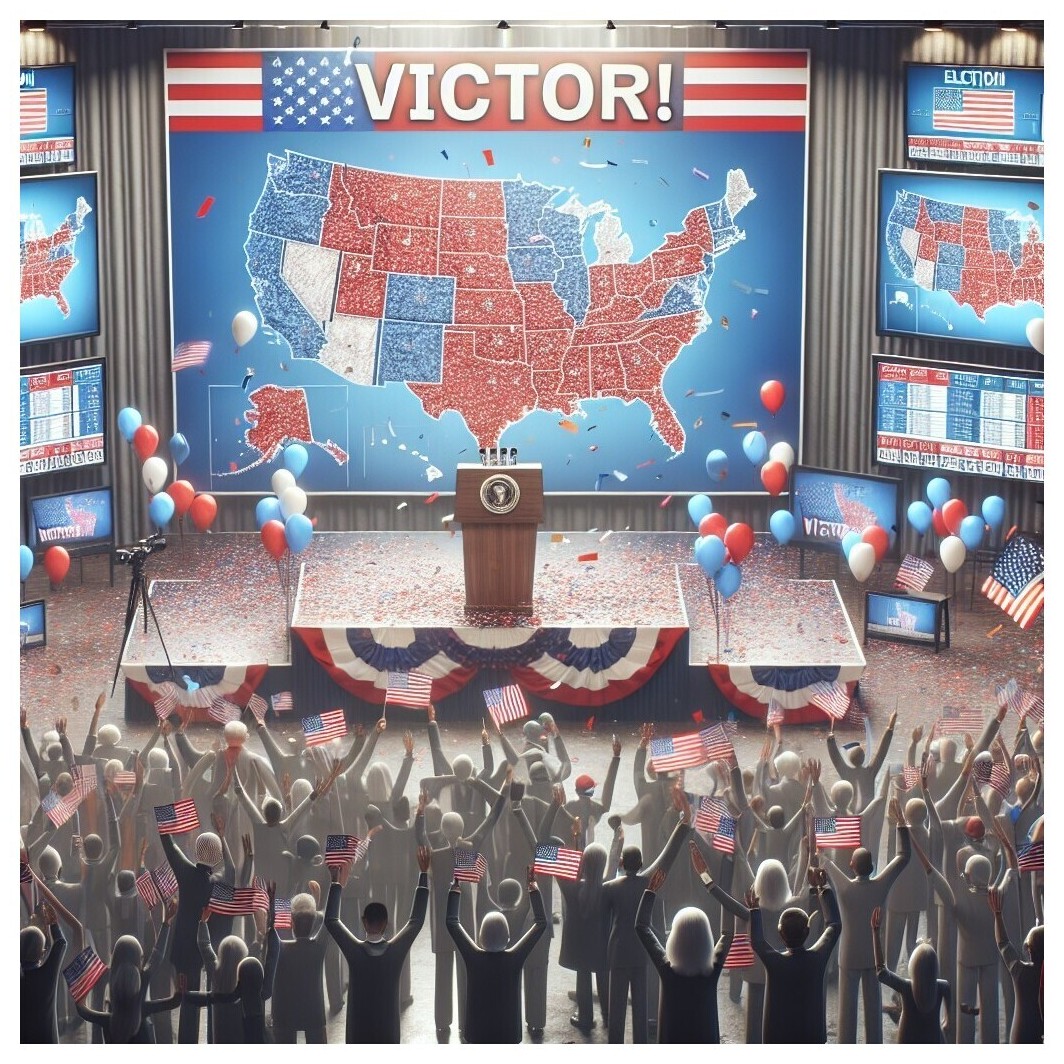
The election of Donald Trump to the presidency of the United States for the second time in November 2024 marked a pivotal moment in both American and global politics. His ascent to power was not merely a reflection of prevailing political sentiments but rather a significant shift that signalled the onset of a new era characterized by division, uncertainty, and disillusionment. Trump's presidency ignited debates and controversies that resonate far beyond the borders of the United States, influencing political climates worldwide.
In this context, the term "dystopia" denotes a society characterized by human misery, oppression, and the erosion of basic freedoms—elements that can emerge in political contexts where democratic norms are compromised. As Trump's administration unfolded, it became increasingly apparent that this dystopian trajectory was not just a theoretical concern but a lived reality for many.
This article examines the profound impact of Trump’s presidency on the political landscape, arguing that his leadership style and policies have contributed to a creeping dystopia that is reshaping the fabric of democracy both domestically and globally. Through an exploration of increased political polarization, the erosion of democratic norms, and the far-reaching implications for global governance, we will unpack the consequences of this unprecedented presidency. Ultimately, it is essential to recognize and confront these challenges, as they pose significant threats not only to American democracy but to democratic institutions worldwide.
II. Political Polarization
One of the most profound consequences of Trump's presidency has been the exacerbation of political polarization. This widening divide between political parties has fundamentally altered the nature of public discourse, leading to a climate in which civility is often sacrificed to ideological allegiance.
A. Analysis of the Increased Divide Between Political Parties
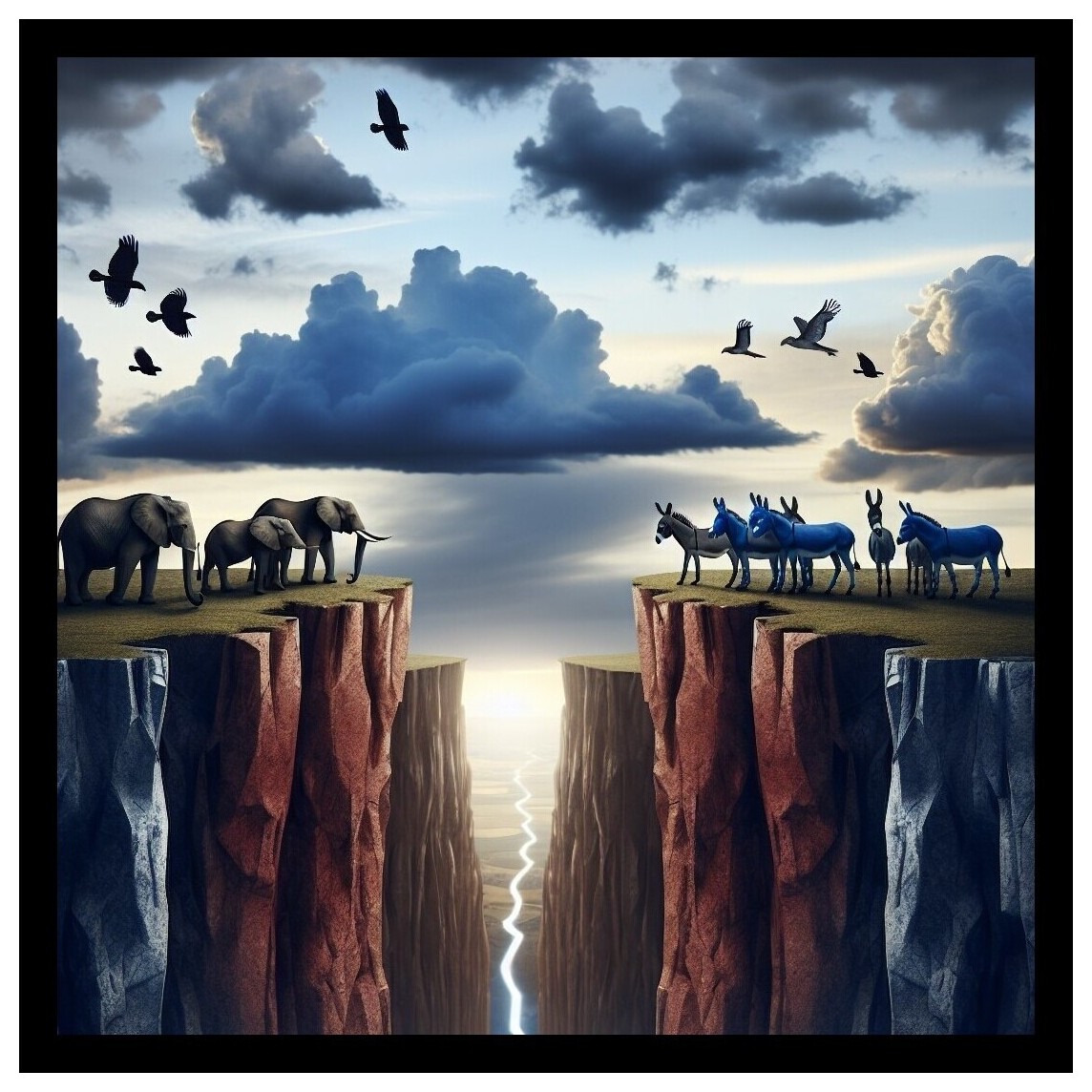
In the wake of Trump's election, the schism between the Republican and Democratic parties has deepened significantly. Traditionally, political disagreements in the U.S. were characterized by ideological differences—liberals advocating for social reforms and conservatives prioritizing fiscal responsibility. However, under Trump's leadership, the divide has shifted from policy-based disagreements to a more tribalistic approach, where party loyalty supersedes substantive debate. This transformation has produced an environment in which opposing parties are not merely adversaries but existential threats to the nation’s well-being. The language used by politicians and their supporters has become increasingly hostile, further entrenching this divide and making bipartisan cooperation nearly impossible.
B. Impact on Public Discourse and Civility
The implications of this polarization extend far beyond the halls of Congress. Public discourse has become more acrimonious, with political discussions often devolving into personal attacks rather than constructive dialogue. The erosion of civility in political discourse has produced a chilling effect, in which individuals may be reluctant to engage with those holding differing views for fear of confrontation. This atmosphere stifles the exchange of ideas, breeds misunderstanding, and fosters a culture of intolerance. The impact is particularly pronounced in educational settings and workplaces, where differing political views can create rifts and hinder collaboration.
C. The Role of Social Media in Exacerbating Polarization
Social media platforms have played a crucial role in amplifying political polarization. Algorithms designed to maximize user engagement often prioritize sensational and divisive content, leading users down echo chambers where they are exposed only to viewpoints that reinforce their beliefs. This phenomenon not only distorts individuals' perceptions of reality but also fosters a binary worldview in which compromise and nuanced understanding are increasingly rare. The viral spread of misinformation and conspiracy theories during Trump's presidency has further aggravated these divisions, making it challenging for individuals to discern fact from fiction. As social media continues to shape the political landscape, the potential for constructive dialogue diminishes, leaving a fragmented society in which consensus is increasingly elusive.
In summary, the political polarization ignited by Donald Trump's presidency has redefined the American political landscape. With a growing divide between parties, a decline in civil discourse, and the pervasive influence of social media, the fabric of democracy appears to be fraying. As these trends continue to unfold, the need for renewed commitment to dialogue, understanding, and cooperation becomes increasingly critical for navigating the complexities of contemporary politics.
III. Erosion of Democratic Norms
A. Examination of Attacks on the Media and Press Freedom
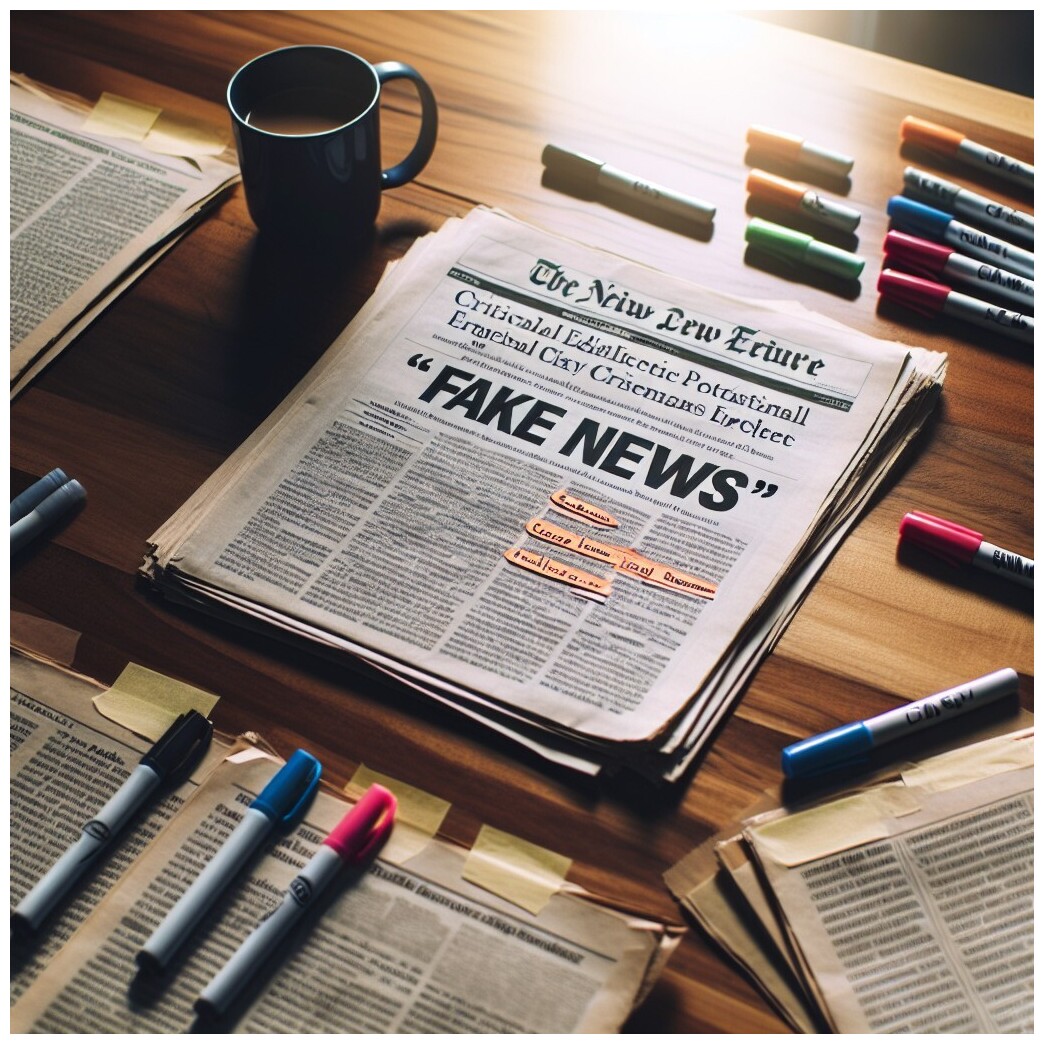
One of the most alarming trends during Donald Trump’s presidency has been the systematic attacks on the media and press freedom. From labelling mainstream news outlets as “fake news” to characterizing journalists as “the enemy of the people,” Trump has actively sought to delegitimize any critical coverage of his administration. This rhetoric not only undermines the essential role of a free press in a democracy but also cultivates an environment where misinformation thrives. As the public becomes increasingly skeptical of credible sources, the line between fact and fiction blurs, eroding trust in institutions vital for a functioning democracy.
B. Discussion on the Undermining of Electoral Integrity
The integrity of electoral processes is a cornerstone of democratic governance, yet Trump’s presidency has seen repeated assertions of widespread voter fraud without substantial evidence. After the 2020 election, these unfounded claims culminated in an unprecedented assault on the democratic process, leading to the January 6 Capitol insurrection. Such actions not only threaten the legitimacy of electoral outcomes but also set a dangerous precedent for future elections. The normalization of questioning election results can disenfranchise voters and undermine public faith in democracy, fostering an environment in which the peaceful transfer of power is no longer guaranteed.
C. Effects on Judicial Independence and Rule of Law
The erosion of democratic norms extends to the judicial branch as well, with Trump frequently attempting to influence judicial outcomes through public pressure and appointments. His administration's efforts to pack the courts with ideologically aligned judges have raised concerns about the independence of the judiciary and its ability to act as a check on executive power. Moreover, Trump's rhetoric often dismisses the rule of law when it does not align with his interests, further complicating the delicate balance of power essential for maintaining democratic governance. This undermining of judicial independence risks creating a biased legal system and threatens the fundamental principles of justice and accountability that underpin a democratic society.
In summary, the erosion of democratic norms during Trump’s presidency presents a multifaceted challenge that extends beyond partisan politics. By attacking the media, undermining electoral integrity, and compromising judicial independence, the foundations of democracy are being tested in unprecedented ways. This creeping dystopia is characterized by a shift away from established democratic practices, raising urgent questions about the future of governance in the United States and beyond.
IV. Global Implications
A. Influence on International Relations and Alliances
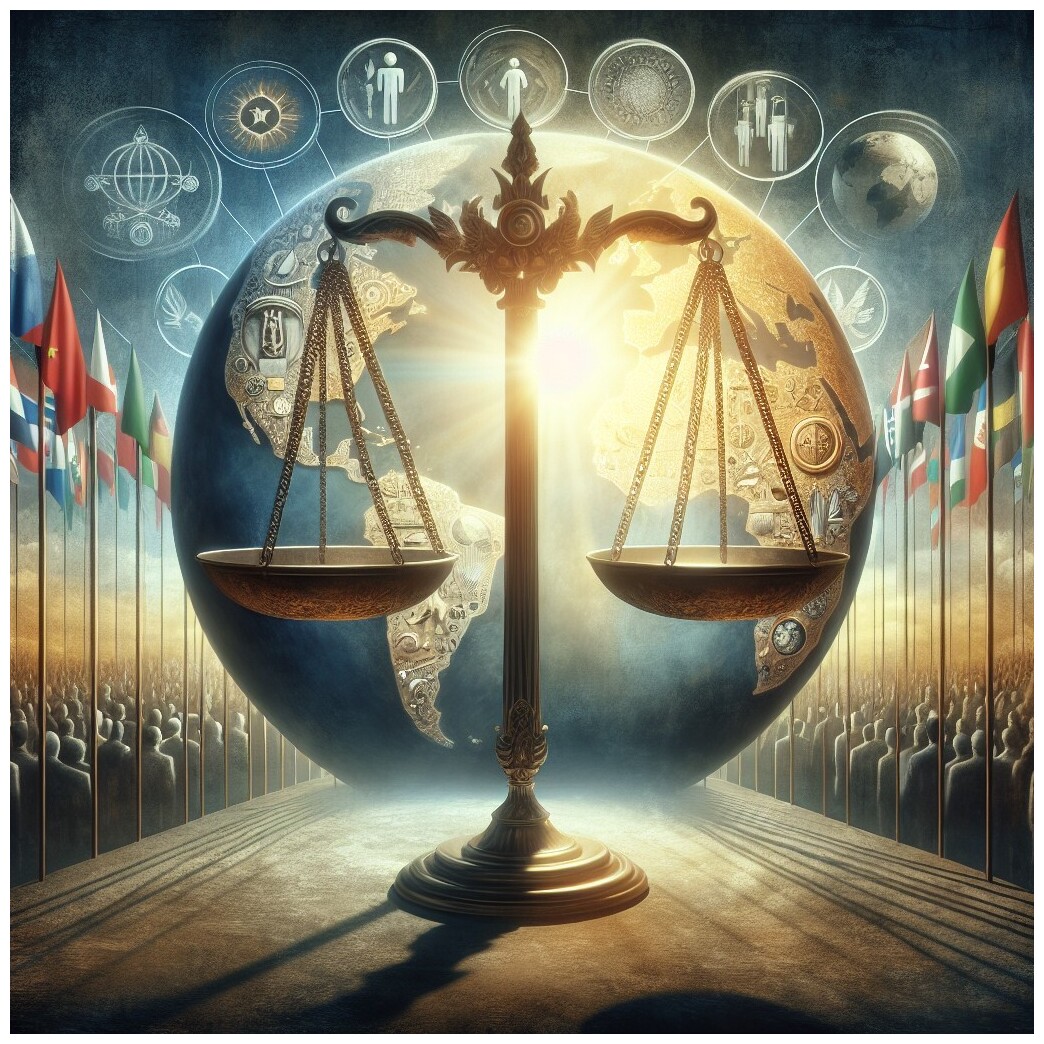
Donald Trump's presidency has significantly altered the landscape of international relations. His approach to foreign policy, characterized by an "America First" doctrine, has strained long-standing alliances and reshaped the United States' role on the global stage. Traditional partnerships, particularly with NATO allies, have been tested as Trump has openly questioned the U.S. commitment to collective defence and security agreements. This shift has created uncertainty among allies and emboldened adversaries, leading to a recalibration of international relations where trust and cooperation are increasingly undermined.
B. Rise of Populism and Authoritarianism Worldwide
The election of Donald Trump has not only impacted American democracy but has also had a ripple effect across the globe, contributing to a rise in populist and authoritarian movements. Leaders in countries such as Brazil, Hungary, and the Philippines have drawn inspiration from Trump's rhetoric and tactics, employing similar divisive strategies to consolidate power and undermine democratic institutions. This trend highlights a troubling global shift towards nationalism and away from liberal democratic values, as these leaders often prioritize their interests over the principles of transparency, accountability, and civil liberties.
C. The Role of Nationalism in Shaping Global Policy
Under Trump's administration, nationalism has gained prominence as a guiding principle in shaping both domestic and foreign policies. This resurgence of nationalistic sentiment often manifests in protectionist trade policies, immigration restrictions, and a general retreat from multilateralism. The implications of this nationalistic approach extend beyond U.S. borders, influencing global economic dynamics and prompting other nations to adopt similar stances. As countries increasingly prioritize their interests over collaborative efforts to address global challenges—such as climate change, migration, and public health—the potential for conflict and discord rises, threatening the fragile fabric of international cooperation.
In conclusion, the global implications of Donald Trump's presidency are profound and far-reaching, affecting not only the United States but also the broader international community. The shifts in international relations, the alarming rise of populism and authoritarianism, and the ascendancy of nationalism signal a critical juncture in world politics that demands careful scrutiny and proactive engagement from both citizens and leaders alike.
V. Conclusion
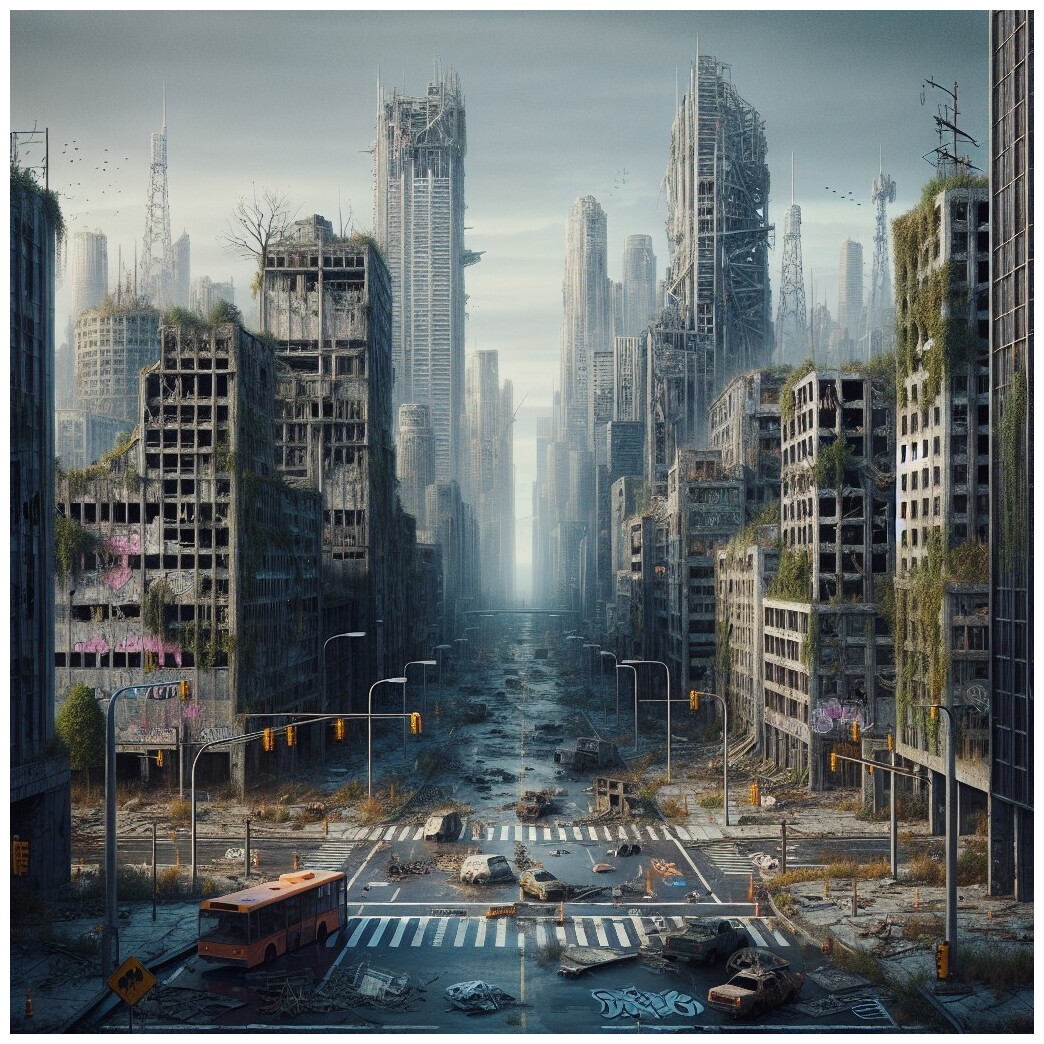
The election of Donald Trump to the presidency of the United States has transformed the political landscape of America and set off a chain reaction that threatens democratic values across the globe. As we have explored, the deepening political polarization has rendered civil discourse nearly obsolete, creating an environment where constructive debate is overshadowed by hostility and division. The erosion of democratic norms—marked by persistent attacks on the media, challenges to electoral integrity, and a diminishing respect for the rule of law—has raised alarm bells regarding the health of democracy both domestically and internationally.
Moreover, the global implications of Trump's presidency cannot be overstated. The shift in international relations, characterized by a retreat from traditional alliances and the rise of populism and authoritarianism, has redefined the geopolitical landscape. Nationalist sentiments, emboldened by Trump's rhetoric and policies, have begun to shape global policies, posing challenges to cooperation on critical issues such as climate change, trade, and human rights.
As we reflect on the ongoing impact of Trump's presidency, it becomes clear that the stakes are high. The creeping dystopia we now witness requires not just awareness but active engagement from citizens committed to preserving democratic values. It is imperative that individuals recognize the importance of participating in the democratic process, advocating for accountability, and fostering an inclusive discourse that bridges divides. Only through collective action can we hope to navigate the challenges ahead and safeguard the principles that underpin our democracy. The future of our political landscape hinges on our willingness to confront these issues head-on and to ensure that the creeping dystopia does not become the norm.