An embosser is a versatile tool designed to create raised, three-dimensional designs or text on various surfaces. This process, known as embossing, involves applying pressure to materials like paper, leather, fabric, or metal, resulting in a permanent raised impression that adds texture and visual appeal. Embossing can be done for both decorative and functional purposes, and an embosser is the key tool in achieving this effect.
In this article, we’ll explore what an embosser is, its different types, and the many applications that make it a valuable tool in both personal and professional settings.
What Does an Embosser Do?
What is an embosser creates raised impressions on a surface by applying controlled pressure between two plates. These plates carry the design or text that you wish to emboss, and the process involves pressing the material between them. The result is a permanent, tactile design that stands out both visually and physically.
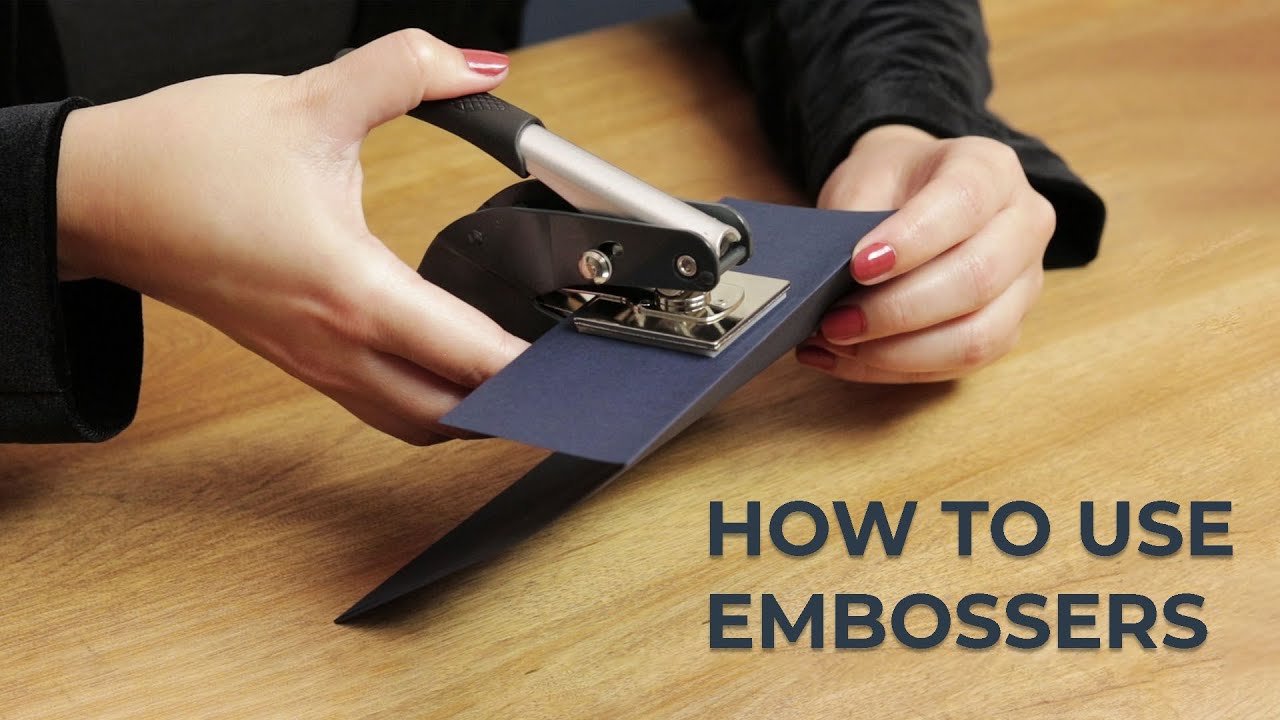
The raised areas can be letters, logos, patterns, or custom artwork, and this effect adds both elegance and durability to the item being embossed. Common materials used for embossing include paper, cardboard, leather, plastic, and certain fabrics.
Types of Embossers
1. Handheld Embossers
Handheld embossers are compact, manual tools that are commonly used for personal or small-scale embossing tasks. These embossers are ideal for embossing stationery, invitations, books, or personal documents. They are easy to use and offer control over each impression, making them perfect for small quantities.
2. Desk or Tabletop Embossers
Desk embossers are larger and sturdier, designed for more frequent use. They can emboss thicker materials such as heavy cardstock or leather, making them ideal for businesses, organizations, or personal use where a higher volume of embossed items is needed. These embossers are typically more durable and provide more precise results than handheld versions.
3. Electric or Automatic Embossers
Electric embossers are automated machines that take the effort out of the embossing process. They are perfect for commercial or high-volume applications where speed and efficiency are key. These embossers can be used to emboss larger volumes of materials quickly and consistently, making them popular in businesses that require regular embossing tasks.
Applications of an Embosser
Embossers have a wide range of applications, both personal and professional. Some of the most common uses include:
1. Personalization
Embossers are often used for personalizing items like books, journals, stationery, and wedding invitations. A raised monogram, initials, or custom design can give any item a unique, sophisticated touch, making it stand out from the ordinary.
2. Business Branding
Businesses use embossers to imprint their logos, company names, or other branding elements onto documents, packaging, or promotional materials. Embossing adds a high-end feel to business communications, helping brands make a lasting impression with clients and customers.
3. Official Documents and Certificates
Embossing is commonly used to authenticate official documents, such as certificates, diplomas, or legal paperwork. The raised impression on these documents adds an extra level of security, preventing counterfeiting and ensuring the authenticity of important papers.
4. Custom Gifts and Keepsakes
Embossers are great for creating personalized gifts or keepsakes, such as custom-embossed leather wallets, photo albums, or greeting cards. A custom-designed embosser can make gifts feel more special, offering a personalized touch that adds emotional value.
5. Luxury Packaging
For high-end brands and products, embossing provides an elegant touch to packaging. Embossed logos or designs on product boxes or bags give the packaging a premium look, elevating the perceived value of the product inside.
Advantages of Using an Embosser
1. Durability
Unlike ink-based stamping or printing, embossing creates a permanent, durable design that won’t fade, smudge, or wear off over time. Whether you’re embossing paper or leather, the raised design remains intact, even with repeated handling.
2. Professional Appearance
An embosser adds a touch of professionalism and sophistication to your materials. For businesses and individuals alike, embossed items appear polished and high-quality, creating a sense of refinement that stands out in a crowded market.
3. Tactile Appeal
The raised effect of embossing gives a tactile quality to the design, making it feel more substantial and engaging. Whether it’s a business card, a book cover, or a certificate, the embossed texture invites people to touch and interact with the item.
4. Versatility
Embossers are versatile and can be used on a variety of materials, including paper, leather, fabric, and plastic. This makes them suitable for a wide range of applications, from personal crafts to professional business use.
How to Choose the Right Embosser
When choosing an embosser, consider the following factors:
- Material: Think about the material you want to emboss. Different embossers work better on different surfaces, so make sure your tool is compatible with your chosen material (e.g., paper, leather, fabric).
- Volume: If you need to emboss a large number of items, consider an automatic or electric embosser for efficiency. For small, occasional projects, a handheld or desk embosser may suffice.
- Design Complexity: Consider the complexity of the design you want to emboss. Detailed logos or intricate patterns may require a more precise embosser for clear, sharp results.
- Durability: Opt for an embosser that is built to last. High-quality materials and sturdy construction ensure that your embosser will produce consistent results over time.
Conclusion
An embosser is a valuable tool for creating lasting, raised designs on various materials. Whether for personalizing gifts, branding business materials, or authenticating important documents, embossers add a touch of sophistication and professionalism to any project. With different types available for varying needs—handheld, desk, or electric—embossers provide versatility, durability, and a unique tactile experience. By investing in the right embosser for your needs, you can elevate your creations and make a lasting impression.