In today’s fast-paced business environment, efficiency and accuracy are essential. Whether you run an e-commerce store, manage warehouse operations, or oversee retail inventory, one component that plays a major role in smooth operations is the type of label you use. Thermal labels have become the preferred choice for many industries thanks to their speed, print quality, and long-term durability. But with so many options available, choosing the right thermal labels can feel overwhelming.
This complete guide will walk you through everything you need to know about thermal labels, including the various types, materials, applications, and how to ensure you select the perfect match for your printing and business needs.
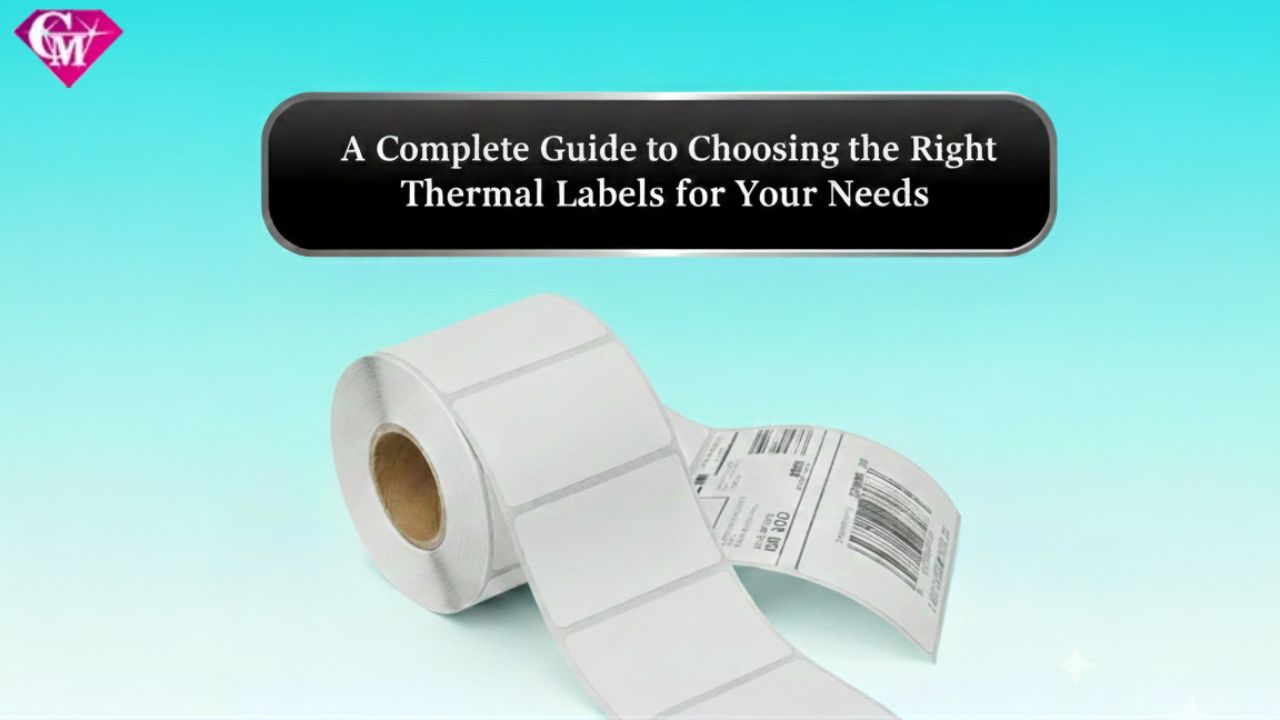
Understanding Thermal Labels
What Are Thermal Labels?
Thermal labels are specialized labels designed to be printed using a thermal printer. Instead of relying on ink or toner, they use heat to produce text, barcodes, logos, and other information. This makes them incredibly efficient and cost-effective for businesses that require consistent, high-volume label printing.
The term thermal labels covers a broad category that includes direct thermal labels, thermal transfer labels, and even custom thermal labels tailored for specific uses.
Types of Thermal Labels
1. Direct Thermal Labels
Direct thermal labels are coated with a heat-sensitive layer that turns black when passed under a thermal printhead. They do not require ribbons, ink, or toner.
Best for:
- Shipping labels
- Short-term barcodes
- Retail receipts
- Food packaging labels
Advantages:
- Low maintenance
- Affordable
- Ideal for quick, high-volume printing
Limitations:
- Can fade over time
- Sensitive to heat, light, and friction
2. Thermal Transfer Labels
Thermal transfer labels require a ribbon to produce extremely durable images. The printer transfers ink from the ribbon onto the label using heat, making it resistant to chemicals, moisture, and UV light.
Best for:
- Long-term asset tracking
- Industrial labeling
- Outdoor applications
- High-temperature environments
Advantages:
- Long-lasting print
- Resistant to fading
- Ideal for harsh conditions
Limitations:
- Requires ribbons
- Slightly higher cost
3.Thermal Sticker Labels
The term thermal sticker labels refers to adhesive-backed thermal labels used for quick application. These are available in direct thermal or thermal transfer formats.
Best for:
- E-commerce package labels
- Product identification
- Office organization
- Barcode and QR code labels
Thanks to their strong adhesive backing and fast printing performance, thermal sticker labels are widely used in retail and logistics operations.
4.Custom Thermal Labels
Many businesses require branding, unique sizes, or specialized materials. For these needs, custom thermal labels offer a fully tailored solution.
You can customize:
- Shape and size (round, square, oversized, mini labels)
- Material (paper, synthetic, waterproof, tear-resistant)
- Adhesive strength (permanent, removable, freezer-grade, high-tack)
- Branding such as logos, colours, and custom layouts
Custom thermal labels are excellent for businesses wanting professional, consistent branding across packaging and product lines.
How to Choose the Right Thermal Labels
Selecting the best thermal labels for your needs depends on a few important factors:
Identify Your Printing Technology
Your choice of label must be compatible with your printer. The two main categories are:
- Direct Thermal Printer Labels: Designed for printers that do not use ribbons.
- Thermal Printer Labels for Thermal Transfer: Designed for printers that use ribbons.
Check your printer model specifications to ensure compatibility with the correct label type.
Determine the Application
Different tasks require different label durability levels.
Short-term usage (24 hours to a few weeks)
- Shipping labels
- Pick-and-pack labels
- Temporary barcodes
Long-term usage (months to years)
- Product labeling
- Outdoor tags
- Industrial barcodes
Cold storage / freezer conditions
- Food packaging
- Pharmaceutical storage
Consider the Environment & Durability Needs
Ask yourself:
- Will the labels be exposed to heat, sunlight, or moisture?
- Do the labels need to resist chemicals or abrasions?
- Will the labels be used outdoors or indoors?
Direct thermal labels work best for controlled environments, while thermal transfer labels excel in harsh or unpredictable conditions.
Choose the Right Label Material
Thermal labels come in various materials such as:
- Paper: Cost-effective and suitable for most general applications
- Polypropylene (PP): Water-resistant and tear-resistant
- Polyester (PET): Extreme durability and temperature resistance
- Vinyl: Flexible and ideal for curved surfaces
If your business packages products or stores goods in extreme environments, synthetic or waterproof materials are the smartest choice.
Select the Correct Adhesive
Thermal labels can be purchased with multiple adhesive options:
- Permanent adhesive for standard packaging
- Removable adhesive for temporary labeling
- Freezer-grade adhesive for cold storage environments
- High-tack adhesive for rough surfaces
Matching adhesive strength to your application ensures the label stays put and remains readable.
Decide Between Standard or Custom Thermal Labels
If your business has unique packaging requirements, custom thermal labels may be worth exploring. They offer:
- Exact dimensions tailored to your containers
- Enhanced branding opportunities
- Improved organization and workflow
- Better readability for automated systems
Custom labels also elevate the professional look of your packages — ideal for e-commerce brands focused on customer experience.
Common Mistakes to Avoid When Buying Thermal Labels
- Choosing the wrong size – Always measure your printer’s label roll capacity.
- Using the wrong type for your printer – Direct thermal labels won’t work properly in a thermal transfer printer unless the settings and materials are compatible.
- Ignoring environmental factors – Heat, moisture, or friction can destroy the wrong label type.
- Overlooking adhesive type – The wrong adhesive can cause peeling or residue issues.
- Buying low-quality labels – Cheap labels can cause smudging, fading, or printer damage.
Taking the time to choose the right thermal labels will help ensure clear, durable prints and smooth workflow operations.
Conclusion
Selecting the right thermal labels is essential for ensuring efficient, accurate, and professional label printing. Whether you need direct thermal labels, thermal transfer labels, custom thermal labels, or thermal sticker labels, the best choice depends on your printer type, your working environment, and the durability requirements of your application. Investing in the correct labels not only improves print quality but also reduces errors, boosts productivity, and enhances the overall presentation of your products.
For high-quality thermal labels and reliable supplies suited for every business need, you can explore a trusted range of options from Crystal Mailing.