Whether you're a professional cricketer, a club player, or someone who enjoys weekend matches, your body goes through constant stress. Bowling, batting, diving, sprinting, and repetitive training can lead to muscle tightness, joint pain, and overuse injuries. Most players ignore these early signs until the pain affects their performance.
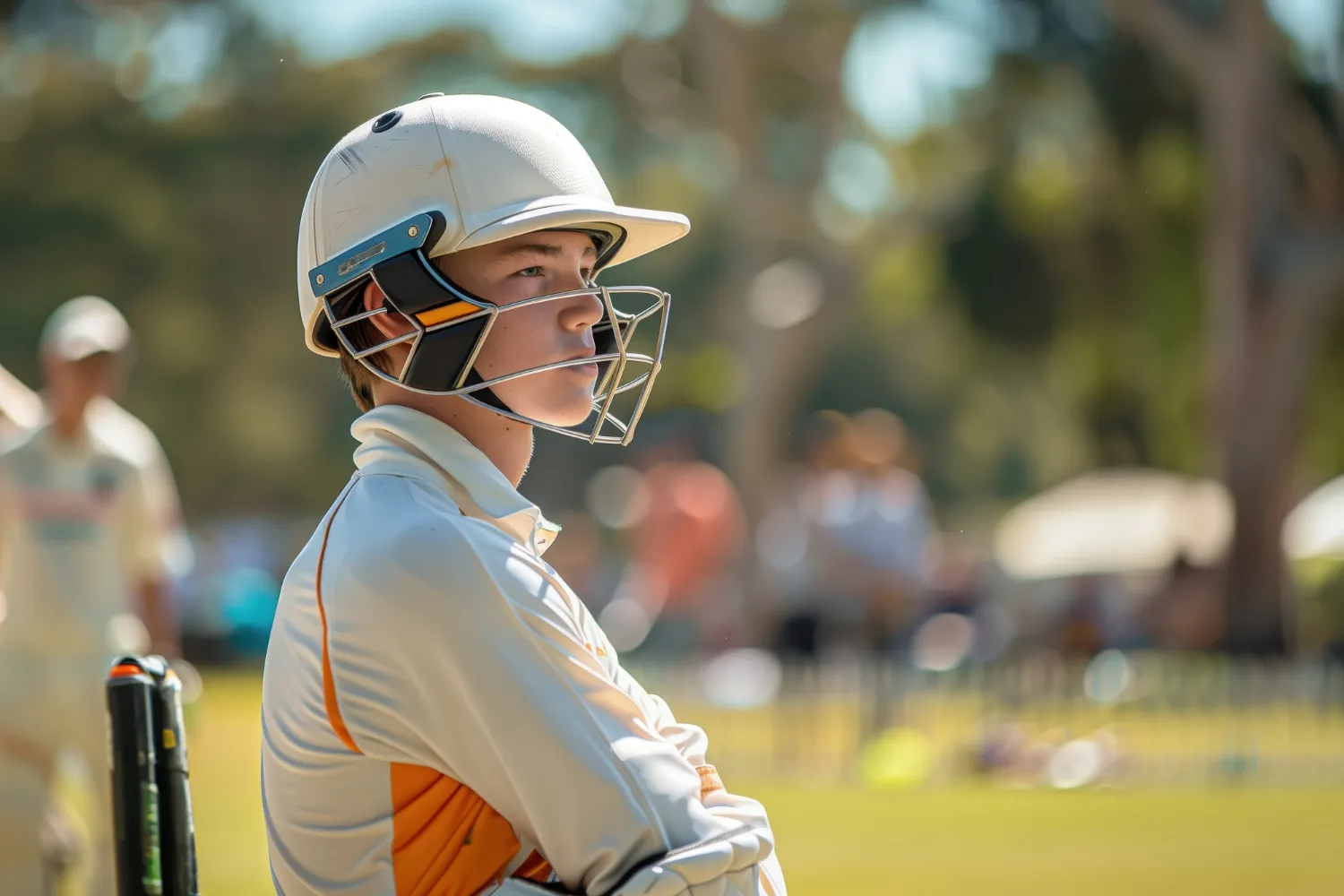
This is exactly where a qualified cricket physiotherapist can make a significant difference.
Unlike general rehabilitation, a cricket physio understands the unique movement patterns, workload, and injury risks associated with cricket. Their goal isn't just to treat pain—it is to help players recover faster, improve performance, and reduce the chances of future injuries. Sports physiotherapy combines injury management, strength training, mobility improvement, and return-to-play planning tailored to each athlete.
Why Physiotherapy Matters for Cricket Players
Cricket involves repetitive movements that place stress on the shoulders, back, knees, ankles, and wrists. Fast bowlers often experience lumbar stress, while batsmen and fielders commonly deal with shoulder, hamstring, or knee problems. Without proper recovery and movement correction, small issues can develop into long-term injuries.
Professional physiotherapy services focus on identifying the root cause rather than simply reducing pain. A consultant physiotherapist performs a complete assessment and develops a personalized rehabilitation plan based on the player's sport, fitness level, and injury history.
Why a Cricket Physiotherapist Is Different
A dedicated cricket physiotherapist understands cricket-specific biomechanics and performance demands. Instead of following a standard rehabilitation program, they evaluate bowling action, batting mechanics, fielding movements, training load, and recovery patterns.
A comprehensive treatment plan may include:
- Movement screening
- Flexibility improvement
- Mobility training
- Manual therapy
- Sport-specific rehabilitation
- Injury prevention exercises
- Return-to-play testing
This specialized approach helps players regain confidence while minimizing the risk of reinjury.
The Importance of Posture Assessment
Many recurring injuries begin with poor body mechanics.
A detailed posture assessment can identify muscle imbalances, restricted mobility, weak stabilizing muscles, or incorrect movement patterns that increase injury risk. Correcting these issues early can improve running efficiency, bowling mechanics, batting posture, and overall athletic performance.
Better posture also reduces unnecessary stress on joints and muscles during long practice sessions.
Role of a Strength and Conditioning Coach
Recovery alone isn't enough.
Working with a qualified strength and conditioning coach helps players build stronger muscles, improve explosive power, increase endurance, and enhance agility. These training programs are designed specifically for cricket rather than general gym workouts.
Strength training also helps protect joints and muscles from overload, making injuries less likely during competitive matches.
Dry Needling for Faster Muscle Recovery
Many athletes experience persistent muscle knots or trigger points that limit movement.
Dry needling is a modern treatment technique used by trained physiotherapists to release tight muscles, reduce pain, and improve mobility. Unlike acupuncture, dry needling physiotherapy targets specific muscular trigger points that contribute to pain and restricted movement.
For many cricket players, this technique becomes part of a broader rehabilitation program alongside exercises, stretching, and manual therapy. Research suggests it may help reduce pain and improve range of motion when combined with appropriate rehabilitation.
Benefits of Sports Massage
Intense training often leaves muscles tight and fatigued.
Regular sports massage helps improve circulation, reduce muscle soreness, decrease stiffness, and promote recovery after matches or training sessions. A skilled sports massage therapist works on muscle groups that experience the highest workload, helping athletes maintain flexibility and prepare for future performance.
Many professional athletes include sports massage as part of their regular recovery routine.
Sports Nutrition Supports Recovery
Training hard without proper nutrition limits performance.
Good sports nutrition provides the energy needed for practice while supporting muscle repair and recovery. Proper intake of protein, carbohydrates, hydration, vitamins, and minerals helps players recover more efficiently and perform consistently throughout the season.
Nutrition also plays a major role in reducing fatigue and maintaining long-term athletic health.
Sports Psychology Builds Mental Strength
Physical fitness is only one side of performance.
Pressure situations, performance anxiety, confidence issues, and injury setbacks can all affect a player's game. Sports psychology helps athletes develop mental resilience, improve focus, manage stress, and build confidence during competition.
Combining physical rehabilitation with mental preparation often leads to better overall performance.
Sports Injury Physiotherapy for Safe Return to Cricket
Returning to cricket too early is one of the biggest reasons injuries happen again.
Professional sports injury physiotherapy follows a structured rehabilitation process that gradually restores strength, flexibility, balance, coordination, and sport-specific skills before returning to competitive play.
The objective isn't simply to become pain-free—it's to ensure the athlete is physically prepared for the demands of cricket while reducing future injury risk.
Final Thoughts
Cricket places unique demands on the body, making injury prevention and recovery essential for players at every level. Consulting a qualified cricket physiotherapist allows athletes to identify movement issues early, recover efficiently, improve physical performance, and stay available for the matches that matter most.
Whether you need expert physiotherapy services, guidance from a consultant physiotherapist, support from a strength and conditioning coach, advanced treatments like dry needling physiotherapy, regular sports massage, personalized sports nutrition, sports psychology, or complete sports injury physiotherapy, taking a proactive approach today can help you enjoy a healthier and more successful cricket journey tomorrow.