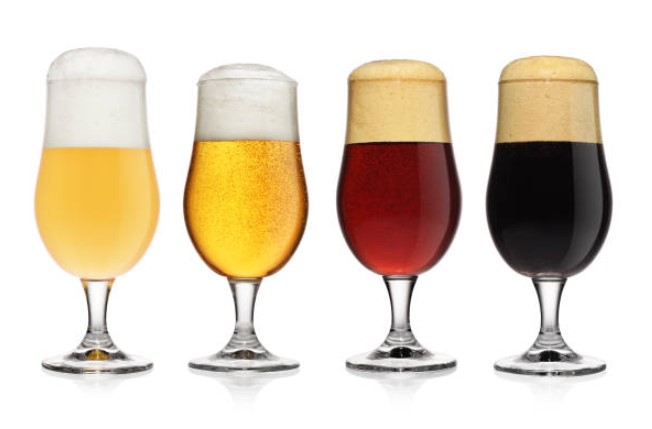
Craft beer has taken the world by storm, offering beer enthusiasts a diverse and exciting range of flavors, aromas, and brewing techniques. Gone are the days when beer was limited to a few generic options. Today, breweries around the world are pushing the boundaries of traditional brewing, creating unique and innovative brews that captivate the senses and ignite the imagination. In this article, we embark on a journey to explore the art and flavors of craft beer, delving into the rich tapestry of styles, ingredients, and brewing methods that make this beverage a true culinary delight.
1. Introduction: The Craft Beer Revolution
In recent years, the craft beer industry has witnessed a remarkable transformation. What began as a grassroots movement driven by passionate brewers and beer enthusiasts has evolved into a global phenomenon. Craft breweries are now sprouting up in every corner of the world, each with its own unique approach to brewing. This surge in creativity has led to an explosion of flavors and styles, making craft beer a playground for both brewers and beer lovers alike.
2. Understanding Craft Beer: What Sets It Apart
Craft beer is more than just a beverage; it represents a commitment to quality, innovation, and a love for the craft. Unlike mass-produced beers, craft beers are typically brewed in small batches, allowing for greater attention to detail and a focus on quality ingredients. Craft brewers also take pride in experimenting with brewing techniques and pushing boundaries, resulting in a diverse range of flavors and aromas.
2.1 Small Batch Production
Craft breweries often operate on a smaller scale compared to large commercial breweries. This allows them to have greater control over the brewing process, ensuring consistency and attention to detail. By brewing in small batches, craft brewers can experiment with different ingredients, techniques, and flavors, resulting in unique and limited-edition brews.
2.2 Emphasis on Quality and Ingredients
Craft brewers prioritize the use of high-quality ingredients to create exceptional beers. They source local and specialty malts, hops, yeast strains, and other adjuncts to add depth and complexity to their brews. This emphasis on quality extends to every aspect of the brewing process, from the water used to the equipment employed, resulting in a superior product.
2.3 Brewing Techniques and Innovation
Craft brewers are known for their willingness to experiment and innovate. They explore various brewing techniques, such as dry hopping, barrel-aging, and souring, to create unique and memorable flavors. This spirit of innovation drives the craft beer industry forward, continually pushing the boundaries of what beer can be.
3. Exploring Beer Styles: From Pale Ales to Stouts
Craft beer offers a vast array of styles, each with its own distinct characteristics and flavor profiles. Let's dive into some of the most popular beer styles and discover the flavors they have to offer.
3.1 Pale Ales and IPAs: A Hoppy Adventure
Pale ales and India Pale Ales (IPAs) are beloved for their hop-forward profiles. They showcase a range of hop flavors, from citrusy and piney to floral and tropical fruit notes. The bitterness of the hops is balanced by a malty backbone, resulting in a refreshing and flavorful beer.
3.2 Lagers and Pilsners: Crisp and Refreshing
Lagers and pilsners are known for their clean, crisp, and refreshing characteristics. These beers are typically light in color and have a smooth mouthfeel. Lagers undergo a cool fermentation process, resulting in a cleaner flavor profile, while pilsners have a slightly more pronounced hop bitterness.
3.3 Belgian-Style Ales: Complex and Spicy
Belgian-style ales offer a delightful combination of complexity and spiciness. These beers often feature fruity esters, spicy phenols, and a touch of sweetness. From Belgian blondes to Trappist ales, each beer in this category has its own unique flavor profile.
3.4 Stouts and Porters: Dark and Rich
Stouts and porters are renowned for their dark, rich, and robust flavors. These beers often have notes of chocolate, coffee, caramel, and roasted malt. They offer a full-bodied experience and are perfect for those seeking a beer with depth and complexity.
4. The Role of Ingredients: Malt, Hops, Yeast, and Beyond
The ingredients used in craft beer play a crucial role in shaping its flavors, aromas, and overall character. Let's explore the key ingredients that contribute to the artistry of craft brewing.
4.1 Malt: The Foundation of Flavor
Malt serves as the backbone of beer, providing sweetness, body, and color. Craft brewers carefully select malts to create a desired flavor profile, whether it be a light and crisp beer or a rich and malty brew. Various types of malt, such as pale malt, caramel malt, and roasted malt, offer a wide range of flavors and colors.
4.2 Hops: Aromatic Bitterness and Beyond
Hops are responsible for adding bitterness, aroma, and flavor to beer. Craft brewers use a variety of hop varieties, each imparting its own unique characteristics. Hops can contribute citrus, pine, floral, or herbal notes, balancing the sweetness of the malt and adding complexity to the beer. Visit Craft City to get the best beer at a reasonable rate.
4.3 Yeast: The Magical Fermentation
Yeast is the unsung hero of brewing, responsible for converting sugars into alcohol and carbon dioxide. Different strains of yeast produce distinct flavors and aromas, influencing the overall character of the beer. Ale yeast tends to create fruity and estery flavors, while lager yeast produces a clean and crisp profile.
4.4 Specialty Ingredients: Adding a Twist
Craft brewers are known for their creativity in using specialty ingredients to add unique flavors and textures to their brews. From fruits and spices to coffee and chocolate, the possibilities are endless. These ingredients can elevate a beer's complexity and offer a truly memorable drinking experience.
5. Brewing Techniques: From Barrel-Aging to Souring
Craft brewers employ a range of brewing techniques to achieve specific flavors and characteristics in their beers. Let's explore some of these techniques and the impact they have on the final product.
5.1 Barrel-Aging: Infusing Complexity
Barrel-aging involves aging beer in wooden barrels, such as those previously used for whiskey, wine, or bourbon. This process imparts unique flavors and aromas from the barrel, such as vanilla, oak, and subtle spirit notes. Barrel-aged beers often exhibit complexity and depth, with a smooth and velvety mouthfeel.
5.2 Souring: Tart and Funky Delights
Sour beers have gained popularity in recent years, offering a departure from traditional beer flavors. Souring involves introducing bacteria or wild yeast strains into the brewing process, resulting in tart and funky flavors. These beers can range from mildly sour to intensely puckering, offering a refreshing and unique tasting experience.
5.3 Dry Hopping: Intensifying Aromas
Dry hopping is a technique where hops are added to the beer during or after fermentation, primarily for aroma enhancement. By avoiding heat exposure, dry hopping preserves the delicate hop aromas, resulting in a burst of fresh, vibrant, and aromatic flavors. This technique is often used in hop-forward styles like IPAs to intensify their aroma profiles.
5.4 Experimentation and Collaboration: Pushing Boundaries
Craft brewers are continually experimenting with new techniques and flavors, pushing the boundaries of traditional brewing. Collaborations between breweries have become increasingly common, fostering creativity and innovation. These collaborative brews bring together the expertise and distinct styles of multiple brewers, resulting in truly unique and exciting beers.
6. The Art of Pairing: Finding Harmony in Flavors
One of the joys of craft beer is its versatility in pairing with different foods. The right beer can elevate the flavors of a dish and create a harmonious dining experience. Let's explore the art of beer and food pairing.
6.1 Beer and Food Pairing Basics
When pairing beer with food, consider complementary or contrasting flavors. Complementary pairings involve matching similar flavors, such as pairing a hoppy IPA with spicy foods to enhance the spiciness. Contrasting pairings involve balancing flavors, such as pairing a malty beer with rich, fatty foods to cut through the richness.
6.2 Complementary and Contrasting Pairings
Some classic beer and food pairings include:
- IPA with spicy curry dishes
- Belgian witbier with seafood or light salads
- Stout with chocolate desserts or hearty stews
- Pilsner with grilled sausages or light, citrusy dishes
Remember, taste is subjective, so feel free to experiment and discover your own favorite pairings.
6.3 Cooking with Craft Beer: Culinary Adventures
Craft beer can also be used as an ingredient in cooking, adding depth and complexity to various dishes. From beer-battered fish and chips to beer-infused stews, incorporating craft beer into recipes can take your culinary adventures to new heights. The flavors of the beer can meld with the ingredients, creating a harmonious and flavorful dish.
7. The Craft Beer Community: Festivals, Tastings, and Camaraderie
Craft beer has created a vibrant and passionate community of brewers, enthusiasts, and beer lovers. Let's explore the various ways in which the craft beer community comes together to celebrate their shared love for this beverage.
7.1 Craft Beer Festivals: Celebrating the Brews
Craft beer festivals are a showcase of the best brews from local and international breweries. These events bring together beer enthusiasts to sample a wide range of beers, attend educational sessions, and enjoy live music and food. Craft beer festivals are a celebration of the craft and an opportunity to discover new and exciting brews.
7.2 Brewery Tours and Tastings: Behind the Scenes
Brewery tours offer a behind-the-scenes look at the brewing process and provide insights into the art and science of craft beer. Visitors can learn about the ingredients, brewing techniques, and history of the brewery while enjoying guided tastings of their beers. It's an immersive experience that allows beer lovers to connect with the brewers and gain a deeper appreciation for their craft.
7.3 Embracing the Craft Beer Culture
Craft beer has fostered a unique culture of camaraderie and exploration. Breweries often become community gathering spots, where friends and strangers alike can come together over a pint. Craft beer enthusiasts engage in lively discussions about flavors, styles, and the latest releases. This sense of community extends online, with social media groups and forums dedicated to sharing beer recommendations and experiences.
8. Sustainability in Craft Brewing: A Greener Future
As the craft beer industry continues to grow, breweries are increasingly focused on sustainability and environmental responsibility. Let's explore some of the ways in which craft brewers are working towards a greener future.
8.1 Ethical Sourcing and Local Ingredients
Craft brewers prioritize sourcing ingredients locally, reducing the carbon footprint associated with transportation. They often form partnerships with local farmers and suppliers, supporting the local economy and ensuring the freshness and quality of their ingredients. Additionally, some breweries embrace organic farming practices and fair-trade ingredients, promoting sustainability and ethical practices.
8.2 Energy Efficiency and Waste Reduction
Breweries are implementing energy-efficient technologies, such as LED lighting and heat recovery systems, to minimize energy consumption. They are also finding innovative ways to reduce waste, such as repurposing spent grains as animal feed or compost. Some breweries even invest in renewable energy sources, such as solar panels or biogas digesters, to power their operations.
8.3 Community Engagement and Social Responsibility
Craft breweries often engage with their local communities through charitable initiatives and community outreach programs. They participate in fundraisers, donate to local causes, and actively support social and environmental initiatives. By giving back to their communities, craft brewers embody the values of social responsibility and foster positive change.
9. Conclusion: Raise Your Glass to Craft Beer
Craft beer is more than just a beverage; it's a celebration of creativity, craftsmanship, and community. From the wide range of styles and flavors to the artistry of brewing techniques, craft beer offers a world of exploration and enjoyment. So, raise your glass and toast to the brewers who push boundaries, the flavors that tantalize your taste buds, and the camaraderie that brings us all together in the craft beer revolution.
10. FAQs (Frequently Asked Questions)
- What is craft beer? Craft beer is a beer that is brewed by independent breweries, emphasizing quality, innovation, and a commitment to the craft.
- What makes craft beer different from commercial beer? Craft beer is typically brewed in smaller batches, using high-quality ingredients, and often incorporates innovative brewing techniques, resulting in a wide range of unique flavors and styles.
- Are all craft beers hoppy? No, craft beer encompasses a diverse range of styles, including hop-forward beers like IPAs, but also includes lagers, stouts, porters, Belgian-style ales, and more, each with its own distinct flavor profile.
- How do I pair craft beer with food? Consider complementary or contrasting flavors when pairing craft beer with food. Experiment with different styles and flavors to find the perfect match for your meal.
- Are craft breweries environmentally conscious? Many craft breweries are actively working towards sustainability and environmental responsibility by sourcing local ingredients, implementing energy-efficient technologies, and engaging in waste reduction initiatives.