Introduction
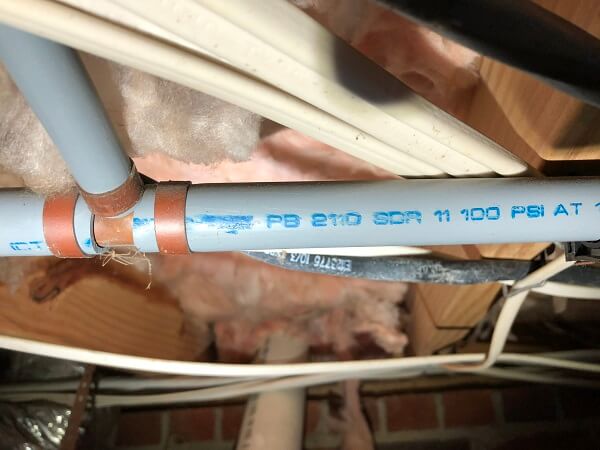
Polybutylene pipes, once widely used in residential plumbing systems, have been associated with a higher risk of leaks and failures. If your home has polybutylene pipes, replacing them with more reliable materials like copper is a wise decision. In this article, we will delve into the costs involved in replacing polybutylene pipes with copper, discussing the factors that influence pricing and highlighting the benefits of this transition for your home's plumbing system.
The Downside of Polybutylene Pipes
Polybutylene pipes were commonly installed in homes between the late 1970s and the mid-1990s. However, due to their susceptibility to chemical reactions and degradation, these pipes are prone to leaks and failures. As a result, many homeowners opt to replace them with more durable and long-lasting alternatives like copper.
Factors Affecting Replacement Costs
The cost of replacing polybutylene pipes with copper can vary depending on several factors:
Property Size: The size of your home, including the number of bathrooms and fixtures, influences the length of the plumbing system and the amount of copper piping required.
Plumbing System Complexity: Homes with intricate plumbing layouts, multiple stories, or hard-to-reach areas may require additional labor and time, impacting the overall replacement cost.
Material and Labor Costs: The cost of copper pipes can vary based on market conditions, and labor costs may vary depending on your location and the expertise of the plumbing contractor you hire.
Additional Work: If your plumbing system requires modifications or repairs during the replacement process, it may add to the overall cost.
Average Cost Estimates
While the cost of replacing polybutylene pipes with copper can vary, homeowners can generally expect to spend between $2,000 and $15,000 for a complete replacement in a typical residential property. This estimate includes the cost of copper pipes, fittings, labor, and any necessary modifications or repairs. It is essential to obtain multiple quotes from reputable plumbing contractors to get accurate estimates tailored to your specific needs and the complexity of your plumbing system.
The Benefits of Copper Pipes
Choosing copper pipes as a replacement for polybutylene offers several advantages:
Durability: Copper pipes are known for their long lifespan and resistance to corrosion, ensuring reliable plumbing for many years.
Safety and Health: Copper pipes are a safe choice for delivering clean drinking water, as they do not leach harmful chemicals into the water supply.
Increased Property Value: Upgrading to copper pipes can enhance the value of your home, as potential buyers often view them as a desirable feature.
Reduced Maintenance: Copper pipes require minimal maintenance and are less prone to leaks, reducing the need for costly repairs in the long run.
Conclusion
The cost of replacing polybutylene pipes with copper varies depending on factors such as property size, plumbing system complexity, material and labor costs. Making the transition to copper ensures a reliable and long-lasting plumbing system.