Certainly! The history of the Cornish Rex cat breed is quite intriguing. Here's a more detailed look at how the breed came to be:
1950s: The Cornish Rex breed originated in the early 1950s in Cornwall, England. It all began with a domestic cat named Serena who gave birth to a litter of kittens on a farm in Bodmin Moor, Cornwall. One of these kittens, a male named Kallibunker, displayed an unusual and distinctive curly coat.
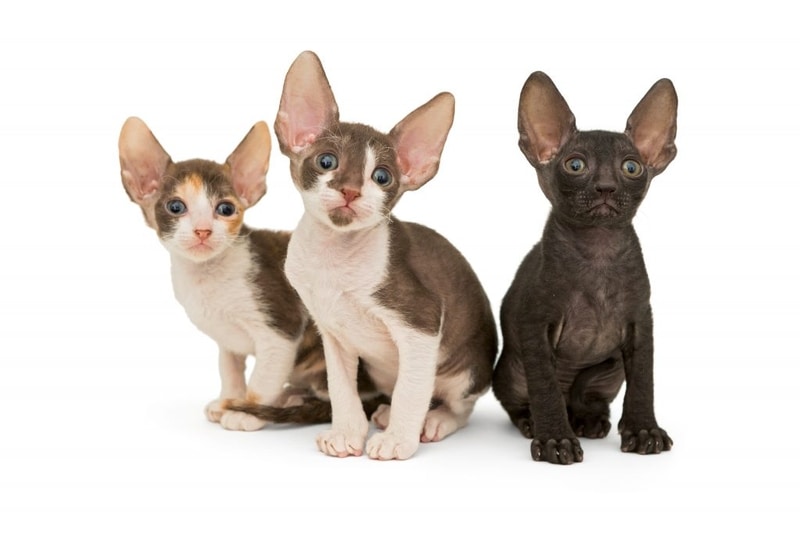
Kallibunker: Kallibunker's breeder, Nina Ennismore, recognized the uniqueness of his coat and decided to breed him to his mother, Serena. This confirmed that the curly coat was a genetic trait. As the trait was confirmed to be hereditary, breeders saw the potential to create a new breed. Kallibunker was mated with various unrelated cats to establish the breed, and his descendants were bred to each other to further develop the Cornish Rex breed.
Founding the Breed: Kallibunker was mated with various unrelated cats to establish the breed. His descendants were bred with each other to further develop the Cornish Rex breed. Other breeds, such as Siamese and Burmese, were introduced to increase genetic diversity and improve the breed's health.
Recognition and Expansion: The Cornish Rex gained recognition in cat shows and was officially recognized by cat registries in the late 1950s and early 1960s. The breed's unique appearance and friendly personality attracted attention and helped it gain popularity.
Cross-Breeding for Health: To maintain genetic diversity and minimize potential health issues associated with the breed's limited gene pool, breeders introduced other breeds like British Shorthairs into the breeding program.
International Spread: The breed's popularity spread to other countries, and Cornish Rex cats were exported internationally. The United States, Canada, and various European countries embraced the breed and continued its development.
Breed Standard: Over time, cat breed associations developed specific breed standards for the Cornish Rex, outlining the desired traits, coat textures, colors, and patterns that define the breed.
Modern Day: Today, the Cornish Rex remains a cherished and recognizable breed with its distinct appearance and affectionate personality. While maintaining its unique features, breeders continue to prioritize the health and well-being of these cats.
The Cornish Rex's history is a testament to the power of genetic variation and the dedication of breeders in creating a new and beloved cat breed based on a spontaneous mutation.
Concerns about Cornish Rex behaviour:
While Cornish Rex cats are known for their friendly and affectionate nature, as with any breed, there can be individual variations in behavior. Here are some potential concerns related to Cornish Rex behavior that you might encounter:
Attention-Seeking Behavior:
- Cornish Rex cats often crave human companionship and may become demanding or clingy if they don't receive sufficient attention. They might paw at you, meow, or try to engage you in play to get your focus.
Separation Anxiety:
- Due to their social nature, Cornish Rex cats can develop separation anxiety if left alone for extended periods. This could lead to behaviors like excessive meowing, destructive behavior, or litter box issues.
Playfulness and Energy:
Cornish Rex cats are active and playful, which is generally a positive trait. However, their high energy levels might require more playtime and mental stimulation to keep them content and prevent them from becoming bored or engaging in undesirable behaviors.
Climbing and Exploration:
- These cats are known for their curiosity and love of exploration. They might climb on furniture, shelves, and other areas to satisfy their curiosity. Ensuring a cat-safe environment with plenty of vertical spaces can help channel their exploration tendencies.
Vocalization:
Some Cornish Rex cats can be more vocal than others. They might use soft meows, chirps, or trills to communicate their needs or seek attention.
Demanding Behavior:
Due to their intelligent and interactive nature, Cornish Rex cats might expect play or other forms of engagement when they want it. They might use persistent behaviors to communicate their desires.
Intelligence and Boredom:
Highly intelligent cats like the Cornish Rex need mental stimulation to prevent boredom. If they don't have enough to do, they might find creative (and sometimes unwanted) ways to entertain themselves.
Socialization with Other Pets:
While many Cornish Rex cats get along well with other pets, individual compatibility can vary. Proper introductions and gradual socialization are essential when bringing a new pet into the household.
Grooming and Skin Sensitivity:
Some Cornish Rex cats might be sensitive to grooming due to their unique coat. Be gentle during grooming sessions, and monitor for any signs of skin irritation or discomfort.
Protective Measures:
Due to their sensitivity to temperature changes and potential skin concerns, you might need to take additional protective measures, such as providing warm sleeping spots and ensuring they have shade and sun protection.
Remember that behavior can be influenced by genetics, early socialization, training, and individual personalities. Addressing concerns through positive reinforcement training, providing proper enrichment, and consulting with a veterinarian or feline behaviorist can help manage and improve your Cornish Rex's behavior and well-being.
Nutritional Requirements for Cornish Rex Proposed:
The nutritional requirements for a Cornish Rex cat are similar to those of other domestic cats, but there are a few considerations to keep in mind due to their unique characteristics. Providing a balanced and appropriate diet is essential for their health and well-being. Here are some guidelines:
High-Quality Cat Food:
Choose a high-quality commercial cat food that is appropriate for your Cornish Rex's life stage (kitten, adult, senior) and health condition.
Look for foods that list a quality source of animal protein as the first ingredient and have minimal fillers.
Protein Content:
Cats, including Cornish Rex cats, are obligate carnivores, meaning they require a diet rich in animal protein. Look for a cat food with a protein content of around 30-40% on a dry matter basis.
Moderate Fat Content:
Fat is a valuable energy source for cats. Aim for a moderate fat content, usually around 15-20% on a dry matter basis.
Avoid Fillers:
Cornish Rex cats need a diet that is nutrient-dense. Avoid cat foods that contain excessive amounts of fillers like corn, wheat, or soy.
Limited Carbohydrates:
Cats don't require a high amount of carbohydrates in their diet. Look for cat foods with limited carbohydrate content.
Essential Nutrients:
Ensure the cat food provides essential nutrients such as taurine, an amino acid critical for cat health, as well as vitamins and minerals.
Moisture Content:
Wet cat food can be beneficial for hydration, especially since Cornish Rex cats might have a higher sensitivity to temperature changes. Wet food also tends to be lower in carbohydrates.
Portion Control:
Portion control is important to prevent obesity, which can strain the delicate frame of a Cornish Rex cat. Follow feeding guidelines on the cat food packaging and adjust based on your cat's activity level and weight.
Fresh Water:
Always provide fresh, clean water for your Cornish Rex cat to drink. Adequate hydration is crucial for overall health.
Consult a Veterinarian:
Your veterinarian can provide specific recommendations based on your Cornish Rex's age, weight, health condition, and activity level.
Treats in Moderation:
While treats can be a fun way to interact with your cat, offer them in moderation and choose high-quality, cat-safe treats.
Remember that each Cornish Rex cat is an individual, and their nutritional needs might vary. Regular veterinary check-ups can help ensure that your cat's diet is appropriate and that they are maintaining a healthy weight.