
Whey protein has gained significant popularity in sports and fitness for its purported ability to enhance athletic performance. As a high-quality protein source, whey protein is rich in all nine essential amino acids that the human body cannot produce on its own.
It is particularly rich in branched-chain amino acids (BCAAs) — leucine, isoleucine, and valine — which play a crucial role in muscle protein synthesis, recovery, growth, energy metabolism, and overall performance.
Athletes and people who workout regularly often turn to whey protein supplements to support their training goals and improve overall performance. But before you order your vitamins from leading fitness supplement stores like Mammoth Jack, you may want to know if whey protein truly lives up to the hype. Let’s explore the key benefits of whey protein for athletes.
Improved Muscle Recovery
Intense workouts can cause muscle soreness and damage. It’s an excellent option for post-workout nutrition, as it can help kickstart the recovery process and replenish glycogen stores in the muscles.
Consuming whey protein after exercise provides the body with a readily available source of amino acids, promoting faster muscle recovery. The amino acids in whey protein help repair affected muscle fibers, reducing muscle soreness and allowing athletes to bounce back quickly for their next training session.
Enhanced Exercise Performance
Research suggests that whey protein supplementation may improve exercise performance. Whey protein has been observed to increase muscle power and strength during resistance training, contributing to improved athletic performance. Additionally, whey protein may help delay fatigue, allowing athletes to train at higher intensities for longer durations.
Faster Nutrient Delivery
Whey protein is quickly absorbed and digested, making it an ideal post-workout option. After exercise, the body needs essential nutrients to repair and replenish muscles. Whey protein's rapid delivery of amino acids ensures that these nutrients are readily available for muscle recovery and growth.

Weight Management
Maintaining an optimal body composition is crucial for athletic performance. Whey protein has been associated with appetite suppression and increased feelings of fullness, aiding athletes in managing their weight and body composition goals. By supporting lean muscle mass and reducing body fat, whey protein can contribute to improved athletic performance.
Immune System Support
Intense training can sometimes suppress the immune system, increasing the risk of illness and infection. Whey protein contains immunoglobulins and lactoferrin, which have immune-enhancing properties. Incorporating whey protein into an athlete's diet can help support immune function and overall well-being.
Convenient Source of Protein
For athletes with busy training schedules, consuming enough protein from whole foods alone can be challenging. Whey protein isolate supplements offer a convenient and portable source of high-quality protein, ensuring athletes meet their protein needs without compromising their training routine.
Antioxidant Defense
Whey protein contains the amino acid cysteine, which is a precursor to the antioxidant glutathione. Glutathione plays a vital role in protecting the body from oxidative stress caused by intense exercise. By supporting antioxidant defense, whey protein may aid in reducing exercise-induced muscle damage.
When to Consume Whey Protein
To maximize the potential benefits of whey protein for athletic performance, timing, and dosage are essential. Consuming whey protein within an hour after exercise can optimize muscle recovery and promote muscle protein synthesis. Many athletes prefer whey protein shakes as a convenient and quick way to replenish nutrients after training.
Some athletes may choose to consume whey protein before a workout to provide a readily available source of amino acids during exercise. This can help prevent muscle breakdown and enhance exercise performance.
Whey protein can be consumed between meals to support a steady supply of amino acids throughout the day, promoting muscle maintenance and growth.
Choosing the Right Whey Protein
Incorporating whey protein isolate supplements into an athlete's nutrition plan can have a positive impact on athletic performance. Its rapid absorption, muscle-building properties, and ability to support muscle recovery make it a valuable supplement for those striving to achieve their fitness and training goals.
However, it's important to remember that whey protein is just one component of a well-balanced diet and training program. For optimal results, athletes should focus on overall nutrition, hydration, rest, and a consistent training regimen. Moreover, not all whey protein supplements are created equal. When selecting a whey protein product, consider the following factors.
Protein Content
Check the protein content per serving of the whey protein supplement. Look for products that provide at least 20–30 grams of protein per serving. Higher protein content ensures you are getting an adequate amount of essential amino acids to support muscle growth and recovery.
Ingredient Quality
Check the ingredient list to ensure that the whey protein supplement contains high-quality ingredients. Look for products with minimal additives, artificial sweeteners, and fillers. Opt for whey protein products that use natural flavors and sweeteners if possible.
Digestibility
Some individuals may experience digestive discomfort with certain whey protein formulations. If you have a history of digestive issues or lactose intolerance, consider choosing a whey protein isolate or a product that contains added digestive enzymes to improve digestibility.
Flavor and Taste
Taste preference is subjective, so choose a whey protein flavor you enjoy. Experiment with different flavors to find the one that suits your palate best.
BCAA Content
Branched-chain amino acids (BCAAs) play a vital role in muscle recovery and growth. Check the BCAA content of the whey protein product, especially the leucine content, as leucine is particularly important for stimulating muscle protein synthesis.
Additional Nutrients
Some whey protein supplements may contain added vitamins, minerals, or other performance-enhancing compounds like creatine or glutamine. Consider whether these additional nutrients align with your specific fitness goals.
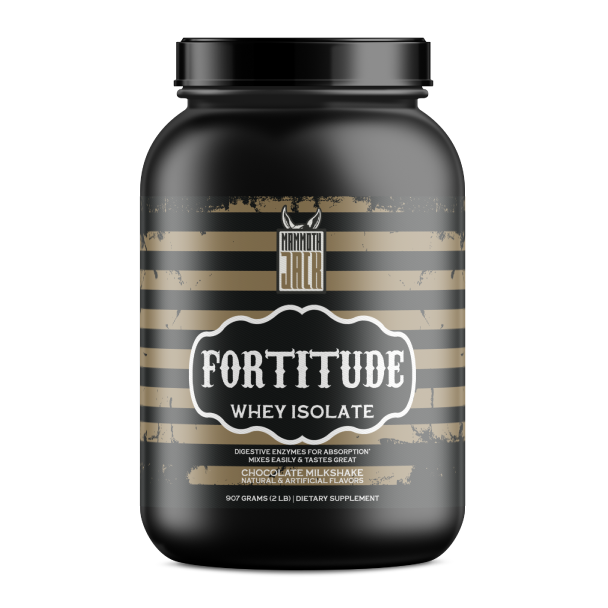
When it comes to acquiring whey protein isolate supplements, trust only reliable online gym supplement stores. The advanced whey protein isolate supplement formula available at Mammoth Jack can be enjoyed in many flavors, such as vanilla and chocolate. It includes magnesium, calcium, Vitamin A, B-complex, and other essential minerals and nutrients.
With just a few clicks, you can explore their thoughtfully curated product line and discover the ones that perfectly match your requirements.
The fitness supplement store is meticulously designed to deliver a seamless shopping experience. You can find high-quality vitamin D, omega-3 fish oil, magnesium glycinate, digestive enzyme supplements, natural sleep supplements, multivitamin gummies, branched chain amino acids (BCAA) supplements, creatine monohydrate supplements, and pre-workout supplements for sale.
Whether you need fitness protein to aid muscle recovery, workout supplements to boost your performance, or any other supplements with essential nutrients to keep your body at peak performance, the online gym supplement store is your ultimate destination for top-notch products, backed by scientific research and crafted with utmost dedication.
Order now to support your athletic performance and fitness journey.