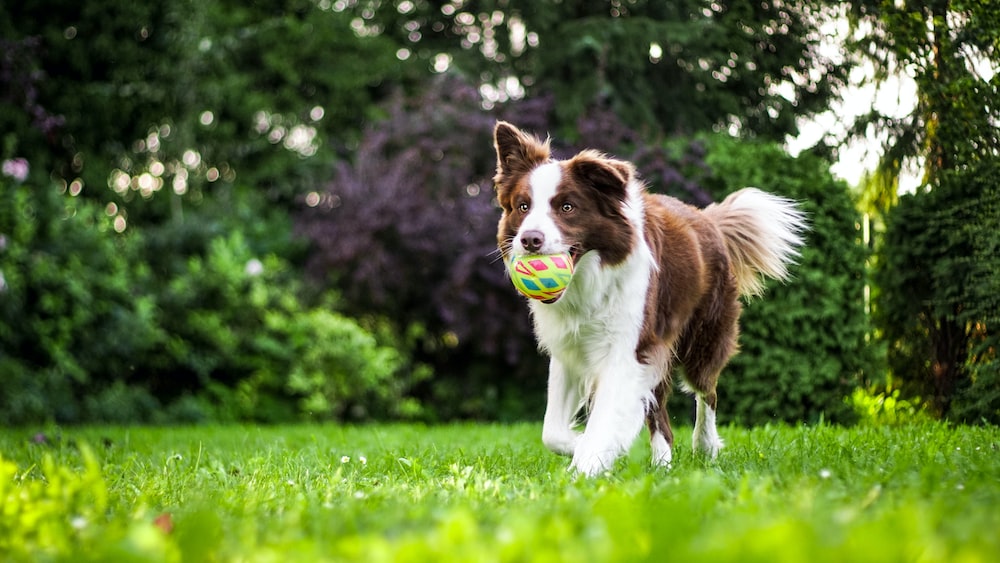
As a dog owner, fostering good behavior in your furry friend is not just about having a well-behaved pet but building a strong and positive bond between you and your canine companion. Positive reinforcement training is one of the most effective and humane methods to achieve this. Let’s delve into the world of dog training, exploring practical tips and techniques for mastering obedience while providing top-notch pet care to your four-legged family member.
Understanding Positive Reinforcement
Positive reinforcement training is a method based on the principle that dogs learn by associating their actions with positive outcomes. In simpler terms, it involves rewarding desired behaviors to encourage their repetition. Instead of punishing unwanted behavior, this approach focuses on reinforcing the behaviors you want to see in your dog.
Building Blocks of Positive Reinforcement Training
1. Use High-Value Treats: When starting positive reinforcement training, select treats that truly captivate your dog's taste buds. These treats should be special and reserved exclusively for training sessions. Their unique flavor will motivate your dog to work for them.
2. Timing is Everything: Precision in timing is crucial. Reward your dog immediately after they exhibit the desired behavior. This instant association between action and reward helps your dog understand what they did right.
3. Consistency is Key: Consistency in your commands and rewards is vital. Use the same cues and rewards each time. For example, if you use "sit" as a command, stick to it. Don't alternate between "sit" and "down."
4. Start with Basic Commands: Begin with fundamental commands like "sit," "stay," and "come." Once your dog has mastered these, you can move on to more complex commands. Keep training sessions short and enjoyable to prevent frustration.
5. Positive Verbal Praise: Alongside treats, use enthusiastic verbal praise. Dogs respond to the tone and energy in your voice. Celebrate their success with phrases like "Good boy!" or "Well done!"
6. Clicker Training: Clicker training can be a powerful tool. The sound of the clicker, followed by a treat, signals to your dog that they've done something right. Over time, your dog will associate the click with positive reinforcement.
7. Be Patient and Persistent: Every dog learns at their own pace. Be patient with your furry friend and maintain a positive attitude. Consistent training sessions will yield the best results.
Problem-Solving with Positive Reinforcement
Positive reinforcement training can also help address behavioral issues. If your dog exhibits unwanted behavior, such as excessive barking or jumping on guests, use positive reinforcement to redirect their actions. For instance, when your dog stops barking or remains calm, reward them immediately. This way, they learn that quiet and calm behavior is rewarded, making it a preferable choice.
Dog boarding sitters can help
Urban Tail believes in the power of positive reinforcement training. Their team of dedicated pet care professionals is here to support you in your dog's training journey. By using positive methods and expert guidance, they can help you build a stronger bond with your dog while ensuring they grow into a well-behaved and happy member of your family. They also provide cat sitting, pet care, and dog walking services in Toronto!
Contact them to find out more!