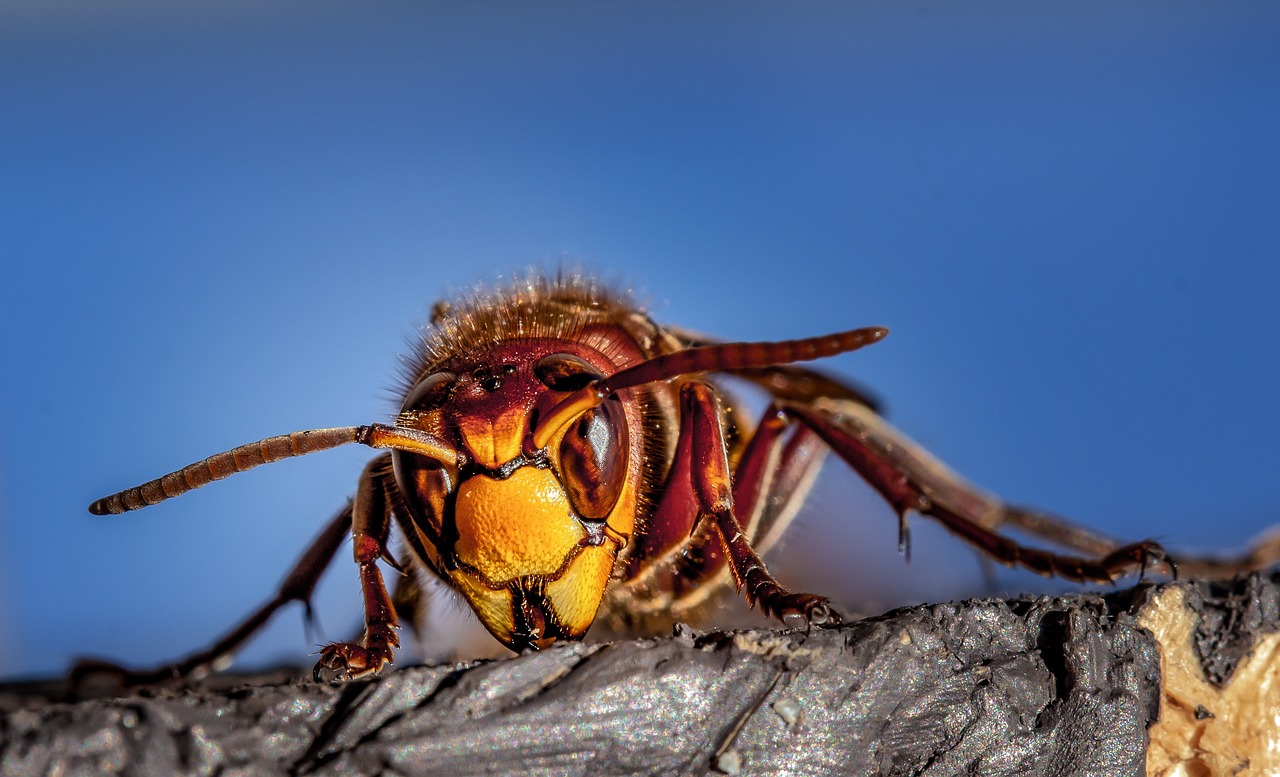
In today’s digital age, content marketing has become an essential tool for businesses looking to grow and maintain a strong online presence. For a pest control business, a well-structured content marketing strategy not only helps to educate potential clients but also positions your company as a trusted resource. Given the level of competition in the industry, investing in an effective content marketing plan can be a game-changer.
In this article, we’ll break down the steps to create a winning content marketing strategy tailored to a pest control business.
1. Define Your Content Marketing Goals
Every successful strategy begins with a clear understanding of your goals. For pest control businesses, common goals for content marketing may include:
- Increasing website traffic.
- Generating leads by building trust and authority.
- Educating clients on pest-related issues and solutions.
- Building a strong brand identity that resonates with local customers.
Setting specific, measurable goals helps you track the effectiveness of your content efforts over time and allows you to refine your approach as you gain insights.
2. Know Your Audience
Understanding your audience is key to creating content that resonates. Pest control clients generally fall into two main categories: residential and commercial. Within these groups, you’ll likely encounter a range of demographics, such as homeowners, business owners, property managers, and renters.
To reach each segment effectively, create buyer personas that capture essential details about their needs, concerns, and search habits. By tailoring content to different personas, you can address unique pain points — such as homeowners worrying about termites or businesses concerned with regulations around pest control compliance.
3. Research Keywords and Topics
To ensure your content reaches the right audience, effective keyword research is crucial. Keywords related to “pest control marketing” will help guide your content toward topics that potential clients are searching for online. Using tools like Google Keyword Planner, Ahrefs, or SEMrush, identify relevant keywords that align with your services. Examples might include:
- “how to get rid of pests at home”
- “commercial pest control services”
- “pest prevention tips”
- “seasonal pest problems”
Create a list of primary and secondary keywords, then develop content ideas based on these terms. This approach not only helps with search engine optimization (SEO) but also ensures that your content addresses real questions and concerns.
4. Develop a Content Calendar
Consistency is critical in content marketing. A content calendar allows you to plan and organize your posts, ensuring you maintain a steady flow of content. When creating a calendar, consider the following content types to engage your audience:
- Educational Blogs: Topics could include “how to identify termite infestations” or “the dangers of ignoring pest issues.”
- Seasonal Guides: Provide pest control tips that cater to seasonal pest trends, such as mosquitoes in summer or rodents in winter.
- Customer Success Stories: Share case studies or testimonials to highlight how your pest control services have solved specific issues for past clients.
- Visual Content: Infographics and videos are ideal for explaining pest control processes in a clear and engaging way.
5. Create High-Quality, Engaging Content
Once you have a plan, it’s time to create high-quality content. Remember, quality content is more than just informative; it needs to be engaging and easy to read. Here are some content creation tips specifically for pest control marketing:
- Use Clear, Simple Language: Avoid jargon, and explain pest control terms in layman’s terms to make content accessible.
- Provide Actionable Advice: Offer specific, actionable tips that readers can use immediately, such as “how to spot pest infestation signs” or “DIY pest prevention methods.”
- Incorporate Visuals: Include images, diagrams, and infographics where appropriate. Visuals can illustrate concepts more effectively, especially for complex issues like pest identification.
- Be Concise and Authoritative: Position yourself as an expert in the field. Write with confidence, provide statistics if possible, and link to credible sources.
In pest control, it's especially important to establish authority since customers want reassurance that they’re choosing a knowledgeable, trustworthy provider. Quality content that provides valuable information builds this trust.
6. Leverage Multiple Content Formats
A robust content strategy includes various formats that cater to different preferences. Some customers prefer reading blogs, while others may engage more with video or social media posts. Here are a few popular formats for pest control marketing:
- Blogs: Blogs are excellent for SEO and can cover a wide range of pest-related topics.
- Videos: Short, informative videos demonstrating pest control techniques or providing tips on keeping pests at bay can be highly engaging.
- Infographics: Visuals that explain complex topics, such as the life cycle of pests or prevention tips, are perfect for sharing on social media.
- Ebooks and Guides: Offer downloadable resources, like a guide to seasonal pests, which visitors can access by providing their email addresses. This doubles as a lead generation tool.
7. Optimize for SEO
SEO is essential for driving organic traffic. By using targeted keywords naturally throughout your content, you increase the likelihood of your content ranking on search engines. Here are some SEO best practices for pest control business:
- Use keywords naturally: Don’t over-stuff keywords; place them in titles, headers, meta descriptions, and a few times within the text.
- Optimize Images: Use descriptive, keyword-rich file names for images, and add alt text to enhance accessibility and SEO.
- Internal and External Linking: Link to other relevant articles on your site to keep visitors engaged. Additionally, link to credible external sources when needed.
- Mobile Optimization: Ensure your website is mobile-friendly, as many users will access content on smartphones.
By following these practices, your content will be more likely to appear on search engine results pages, increasing visibility and traffic.
8. Promote Your Content on Social Media
Social media platforms are a powerful way to reach your target audience and drive traffic to your website. Create a social media strategy that aligns with your content goals. Here’s how you can use social media for pest control business:
- Facebook and Instagram: Share engaging content, such as before-and-after photos of pest control treatments or customer testimonials.
- LinkedIn: Use LinkedIn for sharing educational articles and connecting with local business owners or property managers.
- YouTube: Post informative videos or tutorials about pest control tips and solutions.
Regularly posting on these platforms helps increase brand awareness and drives traffic to your site.
9. Utilize Email Marketing to Engage Leads
Email marketing allows you to nurture leads and stay top-of-mind for potential customers. By creating a segmented email list, you can send targeted content to subscribers. Offer regular newsletters, seasonal pest reminders, or exclusive promotions. For example:
- Send emails about seasonal pests, like “5 Tips for Preventing Fall Rodent Invasions.”
- Promote special offers for recurring customers or loyalty discounts.
- Share educational articles or videos on common pest issues.
Over time, this approach builds relationships with your audience, encouraging them to reach out when they need pest control services.
10. Analyze and Adjust Your Strategy
A successful content marketing strategy is one that evolves based on performance. Regularly review your content’s performance using tools like Google Analytics, which can show data on traffic, bounce rates, and conversion rates. Additionally, review your social media metrics to see which posts are generating the most engagement.
Identify which types of content resonate most with your audience and adjust your strategy accordingly. By consistently analyzing your data, you can refine your content approach, focusing on the most effective tactics and improving areas that may not be performing as expected.
Final Thoughts
Creating a winning content marketing strategy for your pest control business requires time, effort, and consistency. By following the steps outlined above, you can build a strong online presence that positions you as an authority in the pest control industry. Remember, the goal of pest control marketing is not only to inform but also to build trust with your audience. As you deliver valuable content tailored to your clients’ needs, your business will see increased engagement, brand loyalty, and customer acquisition over time.