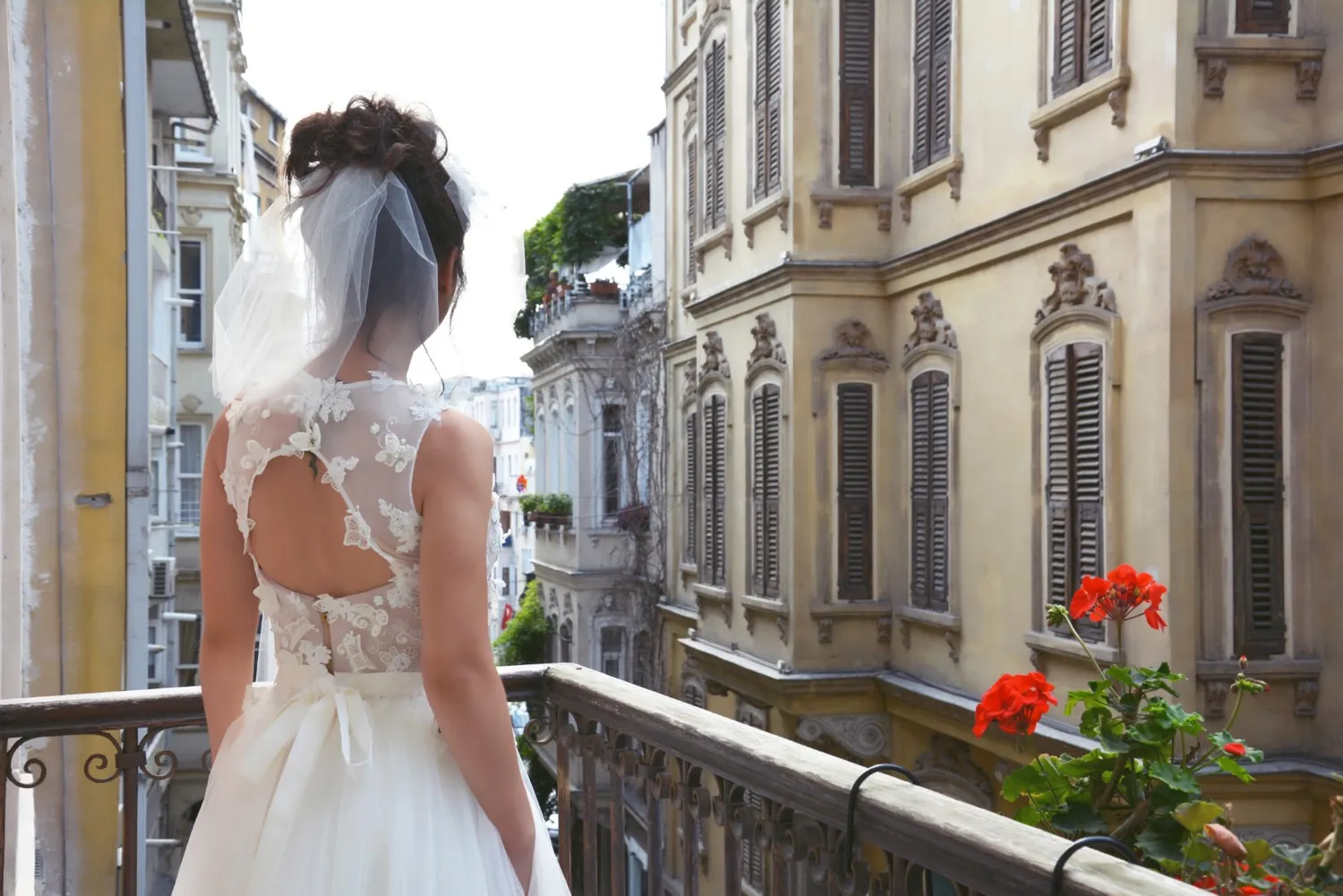
Your wedding day is one of the most important moments of your life, and choosing the perfect wedding dress is a significant part of making it magical. With so many styles, fabrics, and designers to choose from, the process can be both exciting and overwhelming. This comprehensive guide will help you navigate the journey of finding the wedding dress that reflects your personality, fits your body type, and matches your wedding theme.
Understanding Your Style
Before diving into the world of contemporary wedding dress, it's essential to understand your style. Are you a classic bride who loves timeless elegance, or do you prefer something modern and unconventional? Take some time to explore different styles and determine what resonates with you.
Classic Bridal Style
A classic bride often gravitates towards traditional silhouettes and fabrics. Think A-line dresses, ball gowns, and sheath dresses made from luxurious materials like satin, lace, and tulle. These dresses often feature timeless details like beading, embroidery, and lace appliqués.
Modern Bridal Style
For the modern bride, contemporary designs with clean lines and unique cuts are appealing. This style often includes minimalist gowns, jumpsuits, and dresses with asymmetrical details. Fabrics like crepe, mikado, and stretch satin are popular choices for a sleek and sophisticated look.
Bohemian Bridal Style
Bohemian brides love flowing fabrics, earthy tones, and whimsical details. Look for dresses with ethereal layers of chiffon, lace, and organza. Elements like bell sleeves, crochet lace, and floral patterns are perfect for a boho-chic wedding.
Vintage Bridal Style
Vintage-inspired wedding dresses are perfect for brides who love the charm of bygone eras. From 1920s flapper styles to 1950s tea-length dresses, vintage gowns often feature unique details like intricate beadwork, illusion necklines, and scalloped hems.
Body Type and Dress Silhouettes
Choosing a wedding dress that flatters your body type is crucial. Here are some common body types and the silhouettes that complement them:
Hourglass
If you have an hourglass figure, with a well-defined waist and balanced bust and hips, consider mermaid or trumpet dresses. These silhouettes highlight your curves and create a stunning, sexy look.
Pear-Shaped
For pear-shaped brides, with wider hips and a smaller bust, A-line and ball gown dresses are ideal. These styles cinch at the waist and flow outward, balancing your proportions and drawing attention to your upper body.
Apple-Shaped
Apple-shaped brides, with a fuller midsection, should look for empire waist and A-line dresses. These silhouettes create a flattering shape by emphasizing the bust and flowing loosely over the stomach and hips.
Rectangle
If you have a rectangular body shape, with similar measurements for the bust, waist, and hips, consider sheath and column dresses. These styles add length and can create the illusion of curves.
Petite
Petite brides can opt for dresses that elongate their frame, such as sheath and trumpet styles. Avoid overwhelming details and voluminous skirts, which can make you appear shorter.
Fabric Choices
The fabric of your wedding dress can significantly impact its look and feel. Here are some popular options:
Satin
Satin is a smooth and glossy fabric that drapes beautifully. It's a popular choice for classic and formal wedding dresses, offering a luxurious and timeless appearance.
Lace
Lace is a versatile fabric that adds romance and elegance to any wedding dress. From delicate Chantilly lace to bold Alençon lace, this fabric is perfect for brides who love intricate details.
Tulle
Tulle is a lightweight and airy fabric often used for voluminous skirts and veils. It adds a fairy-tale quality to wedding dresses, making it a favorite for ball gowns and A-line silhouettes.
Chiffon
Chiffon is a sheer and flowy fabric that creates a soft and ethereal look. It's ideal for bohemian and beach weddings, offering a relaxed and romantic feel.
Crepe
Crepe is a smooth and slightly textured fabric that skims the body beautifully. It's a popular choice for modern and minimalist wedding dresses, providing a sleek and sophisticated appearance.
Choosing the Right Color
While white is the traditional color for wedding dresses, many brides are opting for different shades to match their skin tone and wedding theme. Here are some options:
White
White is the classic choice for wedding dresses, symbolizing purity and innocence. It comes in various shades, from stark white to soft ivory, allowing you to find the perfect hue for your complexion.
Ivory
Ivory is a popular alternative to white, offering a warmer and softer look. It's a flattering choice for most skin tones and adds a touch of vintage elegance to your dress.
Blush
Blush wedding dresses are perfect for brides who want a subtle pop of color. This soft pink hue adds a romantic and whimsical touch to your bridal look.
Champagne
Champagne is a sophisticated and elegant color that complements a wide range of skin tones. It's an excellent choice for brides who want a unique and luxurious wedding dress.
Setting a Budget
Wedding dresses come in a wide range of prices, so it's essential to set a budget before you start shopping. Here are some tips for managing your wedding dress budget:
Determine Your Budget
Consider how much you're willing to spend on your wedding dress and stick to it. Keep in mind that you'll also need to budget for alterations, accessories, and cleaning.
Research Designers and Stores
Do some research on wedding dress designers and bridal stores to find options within your budget. Many designers offer collections at various price points, so you're sure to find something you love.
Sample Sales and Trunk Shows
Keep an eye out for sample sales and trunk shows, where you can find designer dresses at a fraction of the cost. These events are an excellent opportunity to get a beautiful gown without breaking the bank.
Shopping Tips
Wedding dress shopping should be a fun and memorable experience. Here are some tips to make the process smoother:
Start Early
Begin your wedding dress search at least six to nine months before your wedding. This timeline allows ample time for ordering, alterations, and any unexpected delays.
Limit Your Entourage
While it can be tempting to bring a large group of friends and family, too many opinions can be overwhelming. Limit your entourage to a few trusted individuals whose opinions you value.
Be Open-Minded
You may have a specific dress style in mind, but be open to trying on different silhouettes and fabrics. You might be surprised by what looks best on you.
Trust Your Instincts
When you find the dress that makes you feel beautiful and confident, trust your instincts. Your wedding dress should reflect your personality and make you feel like the best version of yourself.
Alterations and Customizations
Once you've chosen your wedding dress, the next step is alterations and customizations to ensure a perfect fit. Here are some tips:
Schedule Fittings
Schedule multiple fittings to ensure your dress fits perfectly. The first fitting usually occurs about two to three months before the wedding, with subsequent fittings as needed.
Communicate Your Preferences
Clearly communicate your preferences and any customizations you'd like to your seamstress. Whether it's adjusting the hemline or adding sleeves, make sure your vision is understood.
Bring Accessories
Bring your wedding shoes, undergarments, and any accessories to your fittings. This helps ensure that everything works together seamlessly and that your dress fits perfectly with all your accessories.
Accessorizing Your Wedding Dress
The right accessories can enhance your wedding dress and complete your bridal look. Here are some options to consider:
Veils
Veils come in various lengths and styles, from fingertip to cathedral. Choose a veil that complements your dress and adds a touch of elegance to your look.
Jewelry
Select jewelry that enhances your dress without overpowering it. Consider your dress's neckline when choosing necklaces, earrings, and bracelets.
Shoes
Choose shoes that are both stylish and comfortable. Remember, you'll be wearing them for hours, so comfort is key.
Belts and Sashes
Belts and sashes can add a touch of sparkle or color to your wedding dress. They can also help define your waist and add a unique element to your look.
Conclusion
Choosing the perfect wedding dress is a journey that involves understanding your style, considering your body type, and finding a dress that makes you feel beautiful. By following this guide, you'll be well on your way to finding the wedding dress of your dreams. Remember to stay true to yourself and enjoy the process—your perfect dress is out there waiting for you.