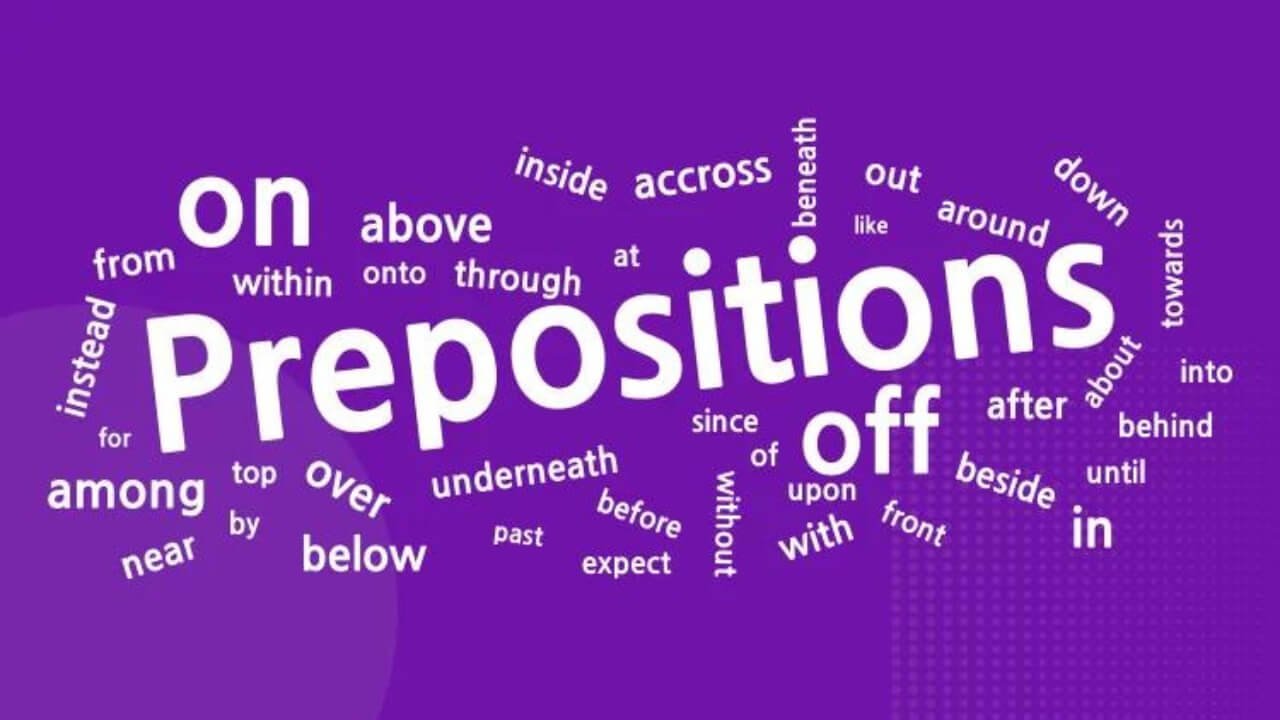
Teaching prepositions to beginners can be challenging, especially when trying to make grammar engaging and easy to understand. Prepositions are essential parts of everyday communication, helping connect words and phrases to form meaningful sentences.
The Most Popular Prepositions for Everyday Communication are often used to describe location, time, or direction. This article will explore the best ways to teach prepositions to beginners while highlighting effective techniques that make learning enjoyable.
Introducing Prepositions Through Visual Aids and Examples
Using visual aids is one of the most effective methods for teaching prepositions to beginners. Pictures, charts, or even physical objects can make the lesson more interactive and clear. Beginners often struggle with abstract grammar rules, so offering tangible examples helps them understand how prepositions work in everyday language.
- Use pictures of common objects like tables, books, or chairs to show spatial relationships.
- Create flashcards with images and sentences that include the most popular prepositions for everyday communication.
- Provide simple examples, such as "The book is on the table" or "The dog is under the chair," to clarify meanings.
This method not only makes learning more fun but also helps beginners connect prepositions to real-world situations, reinforcing their understanding of how prepositions function in communication.
Teaching Prepositions with Movement and Physical Interaction
Incorporating physical movement into lessons is another engaging way to teach prepositions to beginners. Using the body to demonstrate prepositions creates an active learning environment, allowing students to remember prepositions through hands-on experience.
- Ask students to place items in various positions, such as under the table or beside the chair.
- Create interactive games where students have to describe the location of objects using prepositions.
By associating physical movement with specific prepositions, beginners can better grasp the meanings of the most popular prepositions for everyday communication, making it easier for them to use prepositions correctly in their speech.
Using Simple Sentences to Build Confidence with Prepositions
Beginners often feel overwhelmed by complex sentences, so starting with simple sentences is a good strategy. Breaking down sentence structure into manageable parts ensures students understand how prepositions function within a sentence.
As students gain confidence with prepositions in these simple sentence forms, they will be more prepared to tackle more complex sentences and situations where prepositions are used.
Reinforcing Prepositions Through Repetition and Practice
Like most aspects of language learning, mastering prepositions requires practice and repetition. Regular exposure and exercises ensure that beginners can internalize the most popular prepositions for everyday communication. Simple repetition helps solidify understanding and encourages students to use prepositions naturally in conversation.
- Provide worksheets with fill-in-the-blank exercises where students choose the correct preposition.
- Use group activities where students take turns creating sentences with different prepositions.
- Practice with interactive games that quiz students on prepositions, offering instant feedback to reinforce learning.
Repetition, when combined with fun and engaging activities, ensures that prepositions become second nature to beginners, allowing them to communicate more effectively in everyday conversations.
Incorporating Storytelling and Creative Writing Activities
One of the most enjoyable ways to teach prepositions is by encouraging students to use them in storytelling and creative writing activities. This approach helps beginners apply what they have learned in a context that promotes creativity while focusing on proper grammar usage.
- Encourage them to read their stories aloud, focusing on how prepositions contribute to the meaning.
- Use prompts such as "Describe your favourite place" or "Tell a story about your last vacation," guiding students to include prepositions naturally.
By incorporating prepositions into creative writing, students can practice using the most popular prepositions for everyday communication in a fun and engaging way. Storytelling also helps students see how prepositions shape the flow and meaning of sentences, further reinforcing their understanding.
Utilizing Technology for Interactive Learning
Technology offers a wide range of tools to make learning prepositions more engaging and effective. Interactive language apps, videos, and online games can supplement classroom learning and provide students with additional practice opportunities.
- Use language apps that focus on grammar and offer exercises specifically designed for prepositions.
- Show short educational videos that demonstrate how prepositions are used in context.
- Incorporate online games or quizzes that offer immediate feedback on preposition usage.
Technology can support both in-class and self-directed learning, giving beginners the flexibility to practice prepositions at their own pace while still receiving guidance and correction.
The Importance of Contextual Learning for Prepositions
Teaching prepositions in isolation can make them difficult to understand. Beginners benefit greatly from learning prepositions in the context of real-life conversations. Providing meaningful examples helps students see how prepositions are used to communicate effectively.
Contextual learning makes prepositions more relatable, allowing students to apply their knowledge in everyday communication, further solidifying their mastery of the most popular prepositions for everyday communication.
Final Thoughts on Teaching Prepositions to Beginners
Teaching prepositions to beginners requires a variety of strategies that make grammar accessible and enjoyable. By using visual aids, physical activities, and contextual learning, teachers can create lessons that are both engaging and effective. Reinforcing prepositions through repetition and creative writing activities ensures that students become confident in their use of prepositions.