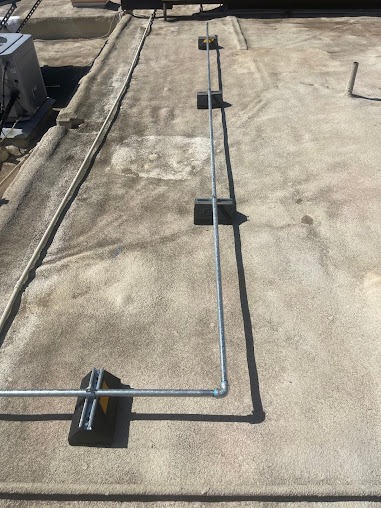
Gas lines are the unsung heroes of a modern home. They power our water heaters, fuel our stovetops, heat our living spaces, and keep our outdoor grills running during beautiful Sonoma County summers. Because gas is such an efficient and reliable energy source, it is easy to take it for granted. However, working with natural gas or propane requires a level of caution and expertise that goes far beyond standard plumbing.
When it comes to maintaining, repairing, or installing these systems, hiring a specialized professional is not just a recommendation—it is a critical safety requirement. Understanding what a qualified technician does, why specialized expertise matters, and how to spot potential issues early can help keep your property safe and efficient for years to come.
The Crucial Role of a Specialized Gas Technician
Many property owners assume that any plumbing service handles all pipes equally. While standard plumbers are experts at managing water and drainage systems, gas infrastructure demands an entirely different skill set and certification level.
A dedicated gas line plumber in Sonoma County focuses specifically on the safe transport of combustible gases. This work involves intricate knowledge of system pressure, specialized pipe materials, and strict local building codes. Natural gas operates under specific pressure parameters, and even a minor miscalculation in pipe sizing or joint sealing can lead to inefficient appliance operation or hazardous leaks.
These specialists are trained to handle a wide variety of tasks, including running new lines for home extensions, converting appliances from electricity to gas, replacing aging infrastructure, and performing emergency leak detection. By choosing a professional with specific training in gas systems, you ensure that every connection is secure and fully compliant with regional safety standards.
Recognizing the Signs of a Gas Line Problem
Being a proactive homeowner means knowing when to call in the experts. Gas system issues can escalate quickly, making early detection vital for the protection of your household.
- The Tell-Tale Odor: Natural gas is inherently odorless, so utility companies add a harmless chemical called mercaptan to give it a distinct, sulfur-like smell reminiscent of rotten eggs. If you notice this odor anywhere in or around your home, it is a clear sign of a leak.
- Hissing Noises: A damaged or cracked pipe will often emit a faint hissing or whistling sound as the pressurized gas escapes. This noise is most noticeable near appliances or behind walls where lines are routed.
- Dead or Dying Vegetation: If you notice a patch of dead, yellowish grass or plants in your yard that runs in a straight line, it could indicate an underground leak. Escaping gas blocks the roots from absorbing oxygen, causing the flora directly above the pipe to wither.
- Unusually High Utility Bills: A sudden, unexplained spike in your monthly gas consumption frequently points to a hidden leak. If your usage habits have not changed but your expenses have risen, the system should be inspected immediately.
- Appliance Malfunctions: When stoves, water heaters, or furnaces do not receive the correct volume or pressure of gas, they will struggle to perform. Signs include flickering yellow flames instead of a crisp blue color, or appliances turning off unexpectedly.
The Direct Benefits of Professional Maintenance
Investing in regular inspections and professional installations brings long-term value to your property. While it might be tempting to delay maintenance until an obvious problem arises, preventive care offers distinct advantages.
Enhanced Household Safety
The most significant benefit of working with an expert is absolute peace of mind. Natural gas is highly flammable, and improper handling can lead to severe structural damage or health risks. Certified technicians use advanced diagnostic equipment, such as electronic combustible gas detectors and pressure tracking tools, to find microscopic leaks that are invisible to the naked eye. Ensuring your system is tightly sealed protects your family and your property from potential hazards.
Optimized Appliance Efficiency
When pipes are correctly sized and free of internal obstructions, gas flows smoothly at the optimal pressure. This allows your furnace, water heater, and kitchen appliances to run at peak performance. When systems operate efficiently, they consume less fuel to achieve the desired results, which directly translates to lower monthly energy bills and a smaller environmental footprint.
Extended System Lifespan
Like any mechanical component, gas infrastructure experiences wear and tear over time due to ground settling, temperature fluctuations, and material aging. Regular professional check-ups allow technicians to identify minor issues—such as minor corrosion or slightly loosened fittings—before they develop into major failures. Replacing a small valve early is far more cost-effective than replacing an entire line under emergency circumstances.
What to Expect During a Professional Inspection
When you schedule a visit from a qualified service provider, the process is thorough and systematic. Technicians do not simply glance at the pipes; they conduct a rigorous diagnostic assessment to verify the integrity of the entire network.
The process typically begins with a visual inspection of all exposed pipes, looking for signs of corrosion, improper support, or wear near connection points. Next, technicians often perform a pressure test. This involves isolating the gas system and introducing a controlled amount of air pressure to see if the system holds it perfectly over a set period. If the pressure drops, it indicates a leak exists somewhere in the line.
Once a leak is suspected, professionals utilize specialized soap solutions or electronic detectors to pinpoint the exact location of the breach. After the repair or installation is complete, the technician will test the system again to ensure everything is completely sealed before restoring the gas supply and relighting your appliance pilot lights.
Why Local Expertise Matters for Sonoma County Properties
Every region has its own unique environmental factors and building regulations that influence how infrastructure must be managed. Sonoma County is no exception. From regional soil compositions that can accelerate pipe corrosion to specific seismic safety standards, local knowledge is indispensable.
Regional building codes dictate the specific types of piping materials that must be used for both indoor and underground applications. For instance, CSST (Corrugated Stainless Steel Tubing) requires specific grounding practices to prevent damage from electrical surges, while underground poly pipes require precise depth and tracer wire placement.
Furthermore, local professionals understand the Permitting and inspection processes required by municipal authorities. Ensuring that your gas work is fully permitted and signed off by local inspectors is crucial, not only for legal compliance but also for maintaining your homeowner's insurance coverage.
Protecting Your Home for the Long Term
Your gas system is a foundational part of your daily comfort and convenience. Entrusting its care to certified professionals ensures that your home remains warm, your meals get cooked, and your hot water keeps flowing without interruption.
By staying vigilant for the signs of potential leaks, prioritizing routine maintenance, and relying on specialized technicians for all installations and repairs, you protect your investment and create a secure environment for everyone under your roof. If you suspect an issue or are planning an upcoming home improvement project that involves gas appliances, reaching out to a qualified local expert is the safest and most reliable step you can take.