In an era of climate-conscious living and culinary creativity, a quiet revolution is happening in restaurants across the globe. It’s called closed-loop dining, and it’s all about crafting meals—and entire operations—that waste nothing.
More than a trend, this sustainable model is reshaping how we grow, cook, and serve food. From composting leftovers to turning kitchen scraps into gourmet gold, these restaurants are showing that great taste doesn't come at the planet’s expense.
What Is Closed-Loop Dining?
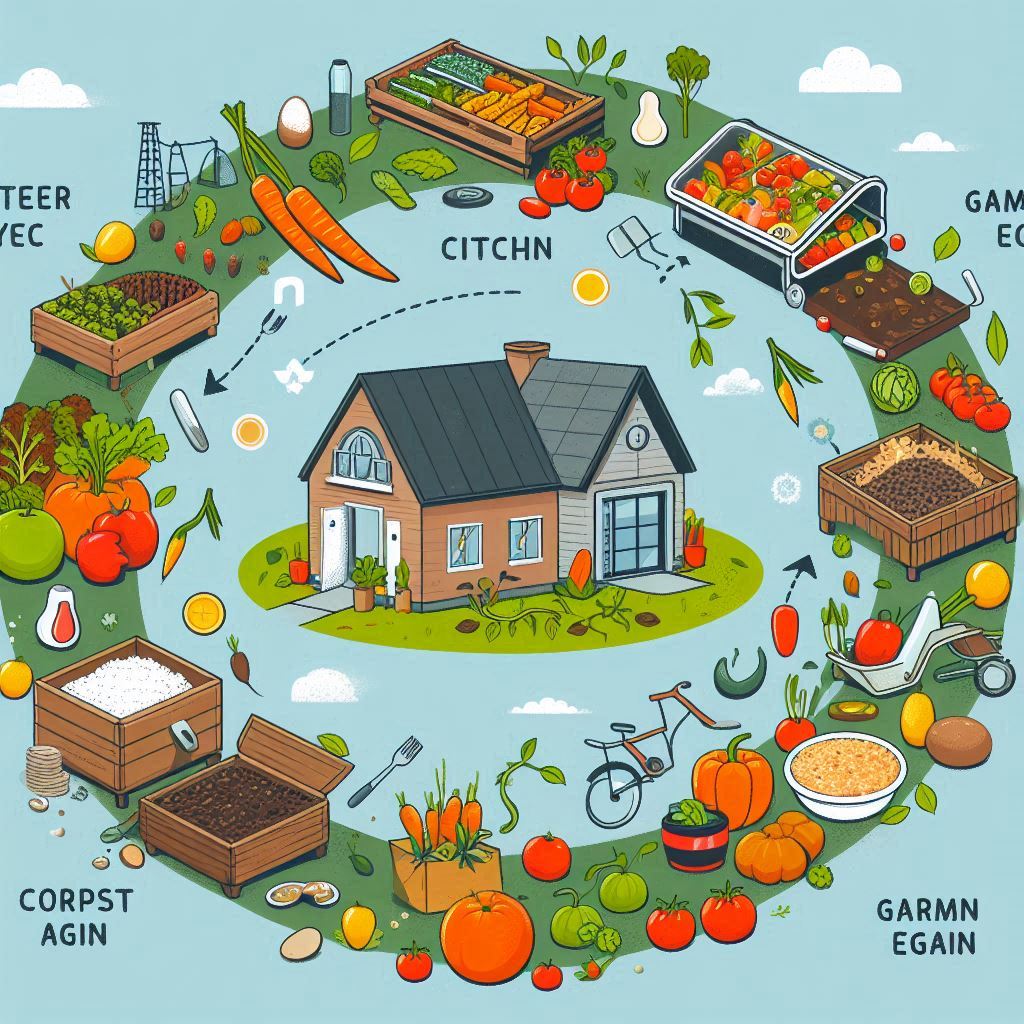
Circular diagram of closed-loop dining system showing food production, preparation, composting, and regrowth
Closed-loop dining is a circular food system in which every part of the process—from sourcing to plating to disposal—is optimized for zero waste.
It includes:
- Composting food scraps into garden soil
- Upcycling ingredients into new dishes
- Sourcing from local, regenerative farms
- Avoiding packaging waste and using reusables
- Using in-house gardens or vertical farms
Meet the Zero-Waste Pioneers
1. SILO (London, UK)
SILO is the world's first zero-waste restaurant. Their furniture is upcycled, their flour is milled in-house, and every ingredient is repurposed or composted.
2. NARU (Melbourne, AUS)
Chef-led and sustainability-obsessed, NARU uses whole vegetables, ferments its own scraps, and even makes crackers from juice pulp.
3. Régénéré (Paris, FR)
This farm-to-table eatery grows much of its produce on-site and operates a rooftop worm composting system that feeds their garden soil.
Waste Becomes Ingredient
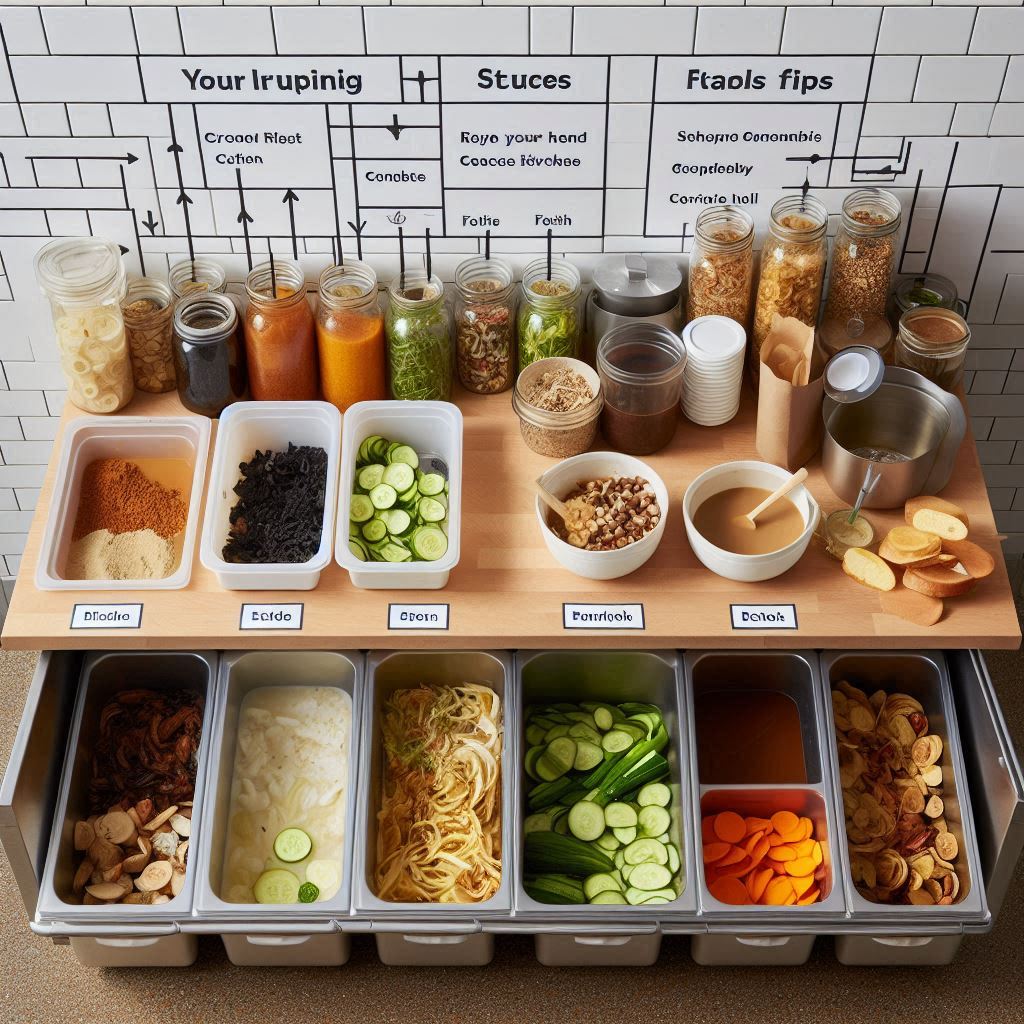
Zero-waste prep table with creative reuse of food scraps into new dishes
Closed-loop chefs are food alchemists, turning peels, stems, and trimmings into culinary gold:
- Broccoli stalks become soups
- Citrus peels are candied
- Coffee grounds flavor marinades
- Fish bones create collagen-rich broths
- Herb stems infuse oils
Why It Matters
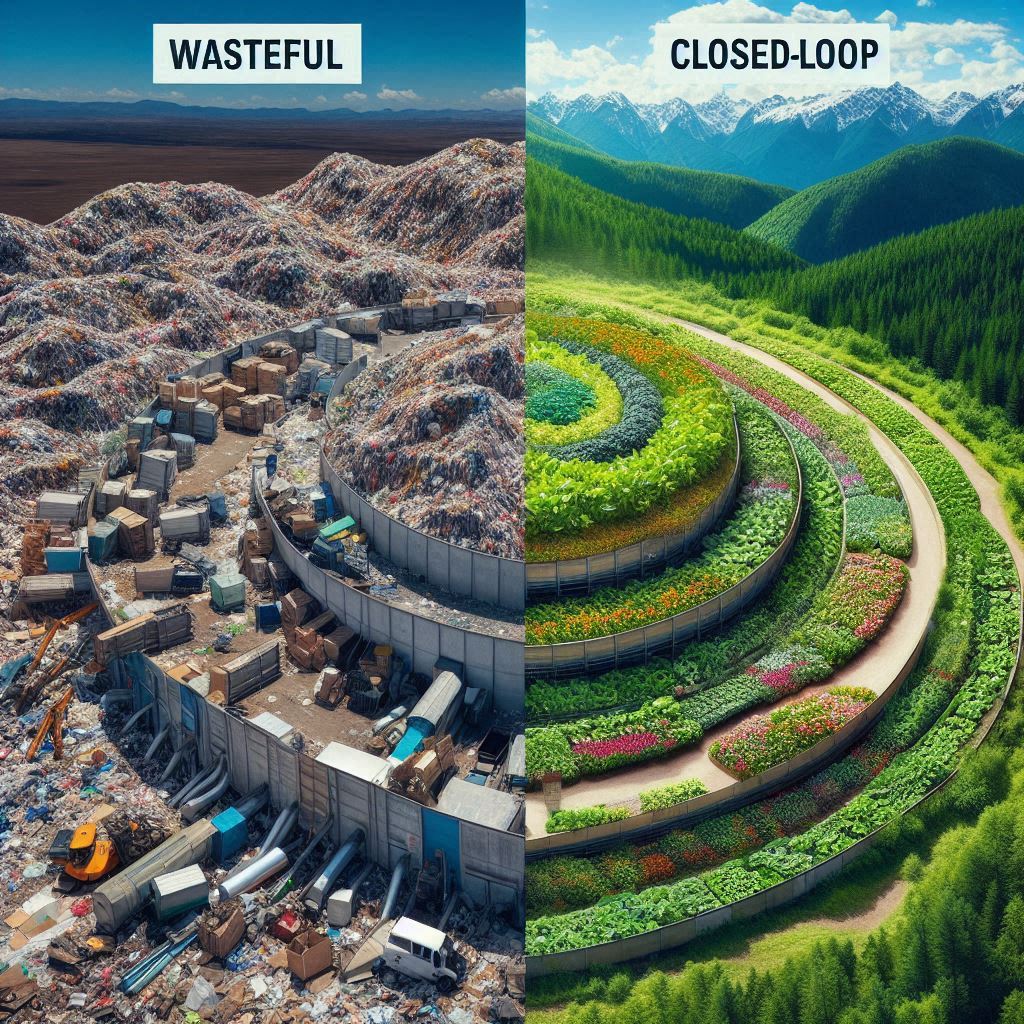
Comparison of a landfill site and a thriving garden nourished by compost, symbolizing the impact of closed-loop systems
The restaurant industry contributes millions of tons of food waste annually. Closed-loop dining is a powerful solution that:
- Reduces landfill emissions (like methane)
- Cuts costs for kitchens
- Supports local ecosystems
- Inspires conscious eating
How Diners Can Support

Group dining in a restaurant labeled “Zero-Waste Kitchen,” enjoying sustainable dishes
You don’t have to be a chef to join the loop:
- Choose restaurants with sustainability initiatives
- Embrace dishes with “ugly” produce or upcycled elements
- Ask about food sourcing and composting
- Support local farms and minimal-packaging takeout
Final Bite: Waste Less, Taste More
Closed-loop dining proves that sustainability doesn’t mean sacrifice—it means smarter kitchens, deeper flavor, and a more meaningful connection to our food. The next time you sit down for a meal, ask yourself: Where did this come from? And where will it go?
Because the best meals are full-circle.