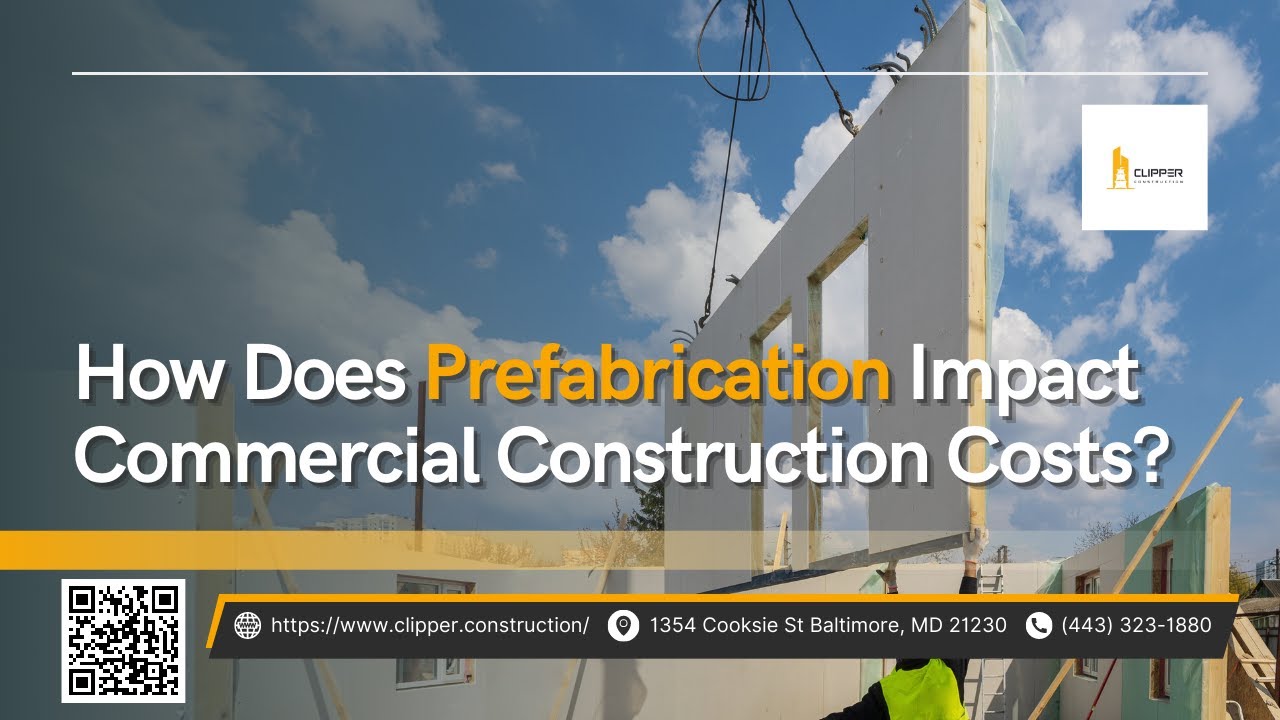
Prefabrication has revolutionized commercial construction projects by reducing costs and time while also ensuring higher quality standards and a safer working environment. Prefabrication refers to the process of constructing building components off-site and then assembling them at the construction site. This can include everything from wall systems and roof panels to piping and electrical systems.
One of the most significant advantages of prefabrication is the cost savings associated with it. According to research, prefabrication can reduce construction costs by up to 20%. This is because it enables the use of standardized components and reduces the need for on-site labor and materials. By manufacturing building components off-site, companies can benefit from economies of scale, which can result in lower costs.
Prefabrication also helps reduce construction time. As building components are manufactured off-site, there is less time spent on-site, resulting in faster construction times. Studies have shown that prefabrication can reduce construction schedules by up to 50%, which can have a significant impact on overall project costs. In addition, off-site manufacturing can take place simultaneously with on-site construction, which can further reduce the overall project duration.
Finally, prefabrication can also improve quality and safety. By manufacturing building components in a controlled environment, companies can ensure that they meet higher quality standards and reduce the risk of defects. In addition, prefabrication reduces the amount of on-site labor required, reducing the risk of accidents and injuries, thereby supporting a safer working environment.
Prefabrication has become an increasingly popular construction method due to the many benefits it offers, including cost savings, reduced construction time, improved quality standards, and safer working conditions. As such, we can expect to see an increasing trend towards prefabrication in commercial construction projects as the construction industry seeks to continuously improve operational efficiency and economic viability.
Common Prefabricated Elements Used in Commercial Construction Projects
One way that prefabrication impacts commercial construction costs is through the use of common prefabricated elements. These elements can help to streamline the construction process by reducing the time and labor required for on-site construction. Here are some of the most common prefabricated elements used in commercial construction projects:
Wall panels: These are pre-made wall sections that can be easily transported and installed on site. They can be made from a variety of materials, including concrete, steel, or wood.
Roof trusses: These are pre-fabricated units that are typically made from wood or steel. They offer several advantages over traditional on-site construction, including increased speed and accuracy.
MEP systems: This stands for Mechanical, Electrical, and Plumbing systems, which can be pre-fabricated off-site and then easily installed on site. This can save significant time and labor costs compared to traditional on-site installation.
Bathroom pods: These are pre-fabricated units that contain all of the necessary components for a bathroom, including plumbing fixtures, shower stalls, and toilets. They can be easily transported and installed on site, reducing the need for on-site construction.
Modular construction units: These are entire building sections that are pre-fabricated off-site and then transported to the construction site for installation. They are often used for multi-unit buildings, such as hotels or apartments.
Staircases: Prefabricated staircases are becoming increasingly popular in commercial construction because of their efficiency and accuracy. They are manufactured off-site, then transported to the construction site and assembled. This process can significantly reduce installation time and costs.
Improving Quality Control with Prefabrication
Prefabrication is an innovative technique that has revolutionized the construction industry. With the use of modular components, prefabrication offers several benefits, including improved quality control. By manufacturing building components off-site, prefabrication provides a highly controlled environment for the production and assembly of building elements, ensuring consistency in quality.
One of the primary reasons for improved quality control with prefabrication is the use of advanced technology in the manufacturing process. The use of computer-aided design (CAD) and computer-controlled machines allows for a high level of precision in the production of building components. The process is completed with a high level of accuracy, and every component is checked before leaving the factory.
Prefabrication also enhances quality control by reducing on-site construction time. Building components manufactured off-site can be easily transported to the construction site and assembled quickly. This not only increases efficiency but also...Read more
Contact Details:
Full Address: 1354 Cooksie St, Baltimore, MD 21230
Phone Number: (443) 323-1880
Website: https://www.clipper.construction/
Business Hours: Monday to Friday, 6:00 AM to 7:00 PM
Google Maps: https://goo.gl/maps/bf9Lsd2GPQrMfZfW6
Google Site: https://sites.google.com/view/clipperconstruction
About Us:
Clipper Construction is a tech-enabled Commercial General Contracting firm providing construction services across several verticals including retail/office fit-out, adaptive reuse, historical restoration and mixed-use development.
Clipper Construction leverages technology to drive efficiencies in the construction process to ensure projects are on schedule, on budget and exceed our clients expectations. We are also leveraging our background in technology to create a better client experience with our custom client platform we designed to provide more transparency and better communication than our competition in this space.
Social Links:
YouTube: https://youtube.com/@clipperconstruction
Facebook: https://www.facebook.com/clipperconstruction/
Twitter: https://twitter.com/buildclipper
Instagram: https://www.instagram.com/clipperconstruction/
Blogger: https://clipperconstruction.blogspot.com/
WordPress: https://clipperconstruction.wordpress.com/
LinkedIn: https://www.linkedin.com/company/clipper-construction/
Pinterest: https://www.pinterest.ph/clipperconstructioncompany/
Business Site: https://business.google.com/website/clipperconstruction/
Frequently Asked Questions:
• What are the Typical Stages of a Commercial Building Construction Project?
• What are the Advantages of Design-Build Construction?
• What are Some Things to Consider Before Choosing a Commercial Construction Company?
• What are Some Advancements in the Commercial Construction Industry?
• How Do You Ensure That Commercial Construction Projects Are Completed Within Budget and on Schedule?
• Is Design-Build the Best Approach For Commercial Construction?
• What is the Pre-Construction Planning Phase?
• What are the Stages of the Design-Build Process?
• What Commercial Construction Stages Do Project Managers Oversee?
• How Can I Find A Reliable and Reputable Commercial General Contracting Service In My Area?
• What are the Benefits of the Design-Build Construction Process?
• What is the Difference Between Pre-Construction and Construction Project Management?
• How Does Prefabrication Impact Commercial Construction Costs?
• What Emerging Commercial Construction Technologies Are Improving Green Building Practices?
• What are the Primary Factors to Keep in Mind When Planning a Commercial Building Renovation?
• How Can Technology Be Used to Improve Productivity in Commercial Construction?
• What are Ways of Managing Risks During the Construction Process?
• What are the Advantages of Using CAD in the Building Design and the Construction Industry?