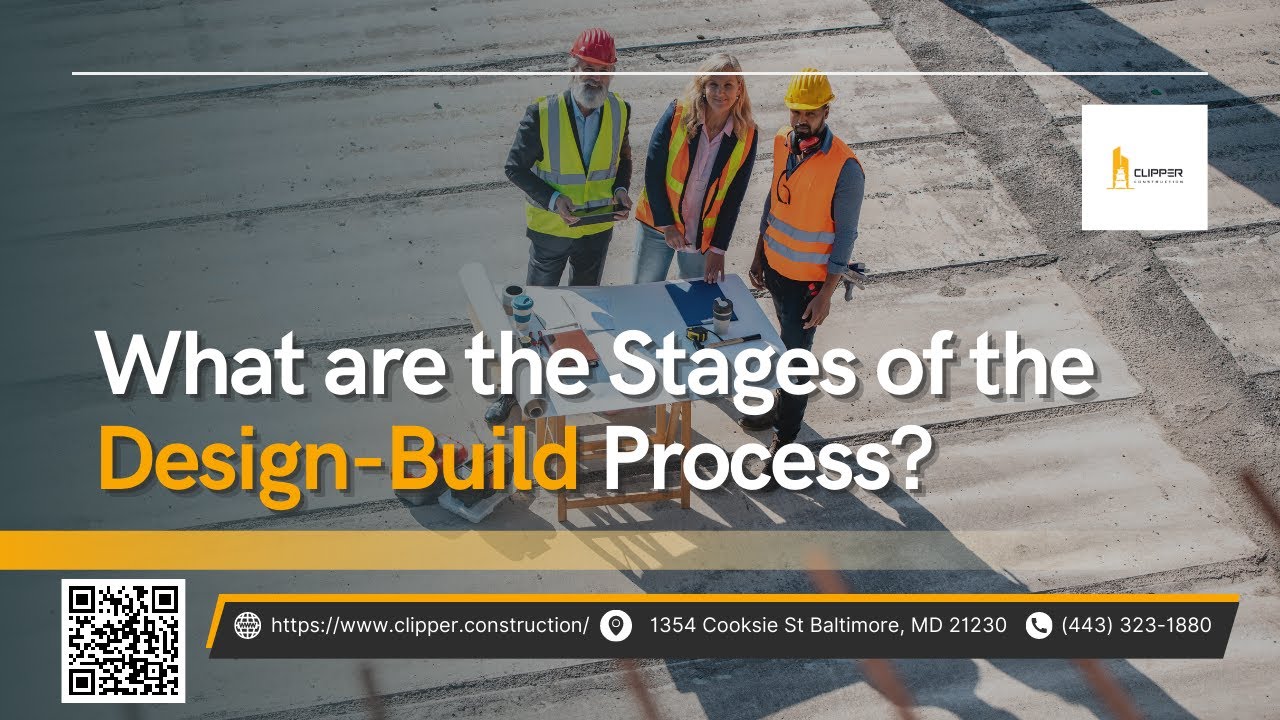
The design-build process is a construction method that integrates design and construction into a single seamless project delivery system. This system provides a wide variety of benefits to the owner, including a faster construction schedule, cost savings, and higher quality project results.
The process itself consists of several key stages, including:
1. Planning - In this stage, the owner and team determine project goals and requirements, identify potential challenges and opportunities, and develop a realistic budget and timeline. This stage can include site selection, feasibility studies, and design criteria development.
2. Design - In this stage, the design team creates preliminary and final designs for the project, including plans, specifications, and construction documents. Collaboration between the owner, design team, and construction team is critical in ensuring that design meets the owner's needs and fits the budget and construction requirements.
3. Pre-Construction - In this stage, the construction team prepares the site for construction, including obtaining necessary permits and approvals, procuring materials, and mobilizing equipment and personnel.
4. Construction - In this stage, the actual building begins. The construction team implements the design, manages subcontractors and schedules, performs quality control and safety inspections, and communicates with the owner to manage expectations and provide updates on progress.
5. Closeout - In this final stage, the construction team completes any remaining tasks, such as punch lists and finish work, and performs a final inspection. The owner accepts the finished project, and may have the option to provide feedback and make any final adjustments before final payment is made.
To expedite the construction process in the design-build model, communication and collaboration between all parties are key. Effective planning and decision-making can reduce delays and keep the project on schedule. Additionally, using technology such as Building Information Modeling (BIM) can improve coordination between the design and construction teams and enable faster construction. Finally, having a clear and efficient project management system, including regular updates and progress reports, can help keep the project on track and moving quickly.
Advantages and Disadvantages of Design-Build
Design-Build is a project delivery method that allows a more collaborative approach between the architect, engineer, and contractor as a single entity. This can lead to various advantages and disadvantages that must be considered before embarking on a project. In this section, we will discuss some of the advantages and disadvantages of the design-build method.
Advantages of Design-Build
Reduced project time and cost
One of the most significant advantages of design-build is the potential for time and cost savings. As the design and construction phases of the project overlap, it reduces the overall project time. It also saves costs by minimizing the potential for adversarial relationships between the architect and contractor, reducing change orders, and leading to greater efficiency.
Collaborative approach
With design-build, the collaboration approach between architects, engineers, and contractors is extra streamlined, reducing gaps in communication that may occur with traditional delivery methods. This closer cooperation encourages better communication, allowing for quicker and more significant decisions.
Single source of responsibility
In the design-build method, a single entity is accountable for the project’s success, reducing potential for mismanagement or conflict between different entities. Errors always have a single source, making it straightforward to resolve issues, increase transparency, and improve accountability.
Disadvantages of Design-Build
Reduced designer control
With design-build, the contractor may have more control over a project than the designer. The contractor makes decisions such as materials and construction methods that the designer may not agree with, which may impact the design's final result.
Conflict of interest
The design-build process can lead to a conflict of interest between the contractor and designer, as the contractor may be incentivized to cut corners to reduce costs, while the designer prioritizes quality work.
Limited change options
Finally, design-build’s overlapping nature leaves little room for changes or modifications within the construction process. Where unforeseen changes are necessary, the change order process can be costly, impacting the project's overall cost or timeline.
While the design-build method has many advantages, the potential disadvantages must be considered for a successful project. To achieve a well-functioning Design-Build team, collaboration is essential, and potential conflicts can be avoided by clearly delineating responsibilities and roles for each team member before the project begins.
Difference between Design-Bid-Build and Design-Build Model
The construction industry offers various project delivery methods to clients. Two of the most commonly adopted models are Design-Bid-Build and Design-Build. Despite their popularity, the two methods differ significantly in terms of project delivery, cost, schedule, and risk management.
Design-Bid-Build is a traditional approach that separates the design and construction phases of a project. In this method, the owner hires an architect or engineer to design the project and then opens the bidding process for general contractors to bid on the construction. The lowest bidder wins the project. The downside of this model is that the owner bears the risk of incomplete design, cost overruns, and potential legal disputes between the architect and construction team.
In contrast, the Design-Build model provides an integrated approach by combining the design and construction phases. The owner hires a single entity, the design-builder, to manage the entire process from inception to completion. The design-builder is responsible for the project's design, construction, budget, and...Read more
Contact Details:
Full Address: 1354 Cooksie St, Baltimore, MD 21230
Phone Number: (443) 323-1880
Website: https://www.clipper.construction/
Business Hours: Monday to Friday, 6:00 AM to 7:00 PM
Google Maps: https://goo.gl/maps/bf9Lsd2GPQrMfZfW6
Google Site: https://sites.google.com/view/clipperconstruction
About Us:
Clipper Construction is a tech-enabled Commercial General Contracting firm providing construction services across several verticals including retail/office fit-out, adaptive reuse, historical restoration and mixed-use development.
Clipper Construction leverages technology to drive efficiencies in the construction process to ensure projects are on schedule, on budget and exceed our clients expectations. We are also leveraging our background in technology to create a better client experience with our custom client platform we designed to provide more transparency and better communication than our competition in this space.
Social Links:
YouTube: https://youtube.com/@clipperconstruction
Facebook: https://www.facebook.com/clipperconstruction/
Twitter: https://twitter.com/buildclipper
Instagram: https://www.instagram.com/clipperconstruction/
Blogger: https://clipperconstruction.blogspot.com/
WordPress: https://clipperconstruction.wordpress.com/
LinkedIn: https://www.linkedin.com/company/clipper-construction/
Pinterest: https://www.pinterest.ph/clipperconstructioncompany/
Business Site: https://business.google.com/website/clipperconstruction/
Frequently Asked Questions:
• What are the Typical Stages of a Commercial Building Construction Project?
• What are the Advantages of Design-Build Construction?
• What are Some Things to Consider Before Choosing a Commercial Construction Company?
• What are Some Advancements in the Commercial Construction Industry?
• How Do You Ensure That Commercial Construction Projects Are Completed Within Budget and on Schedule?
• Is Design-Build the Best Approach For Commercial Construction?
• What is the Pre-Construction Planning Phase?
• What are the Stages of the Design-Build Process?
• What Commercial Construction Stages Do Project Managers Oversee?
• How Can I Find A Reliable and Reputable Commercial General Contracting Service In My Area?
• What are the Benefits of the Design-Build Construction Process?
• What is the Difference Between Pre-Construction and Construction Project Management?
• How Does Prefabrication Impact Commercial Construction Costs?
• What Emerging Commercial Construction Technologies Are Improving Green Building Practices?
• What are the Primary Factors to Keep in Mind When Planning a Commercial Building Renovation?
• How Can Technology Be Used to Improve Productivity in Commercial Construction?
• What are Ways of Managing Risks During the Construction Process?
• What are the Advantages of Using CAD in the Building Design and the Construction Industry?