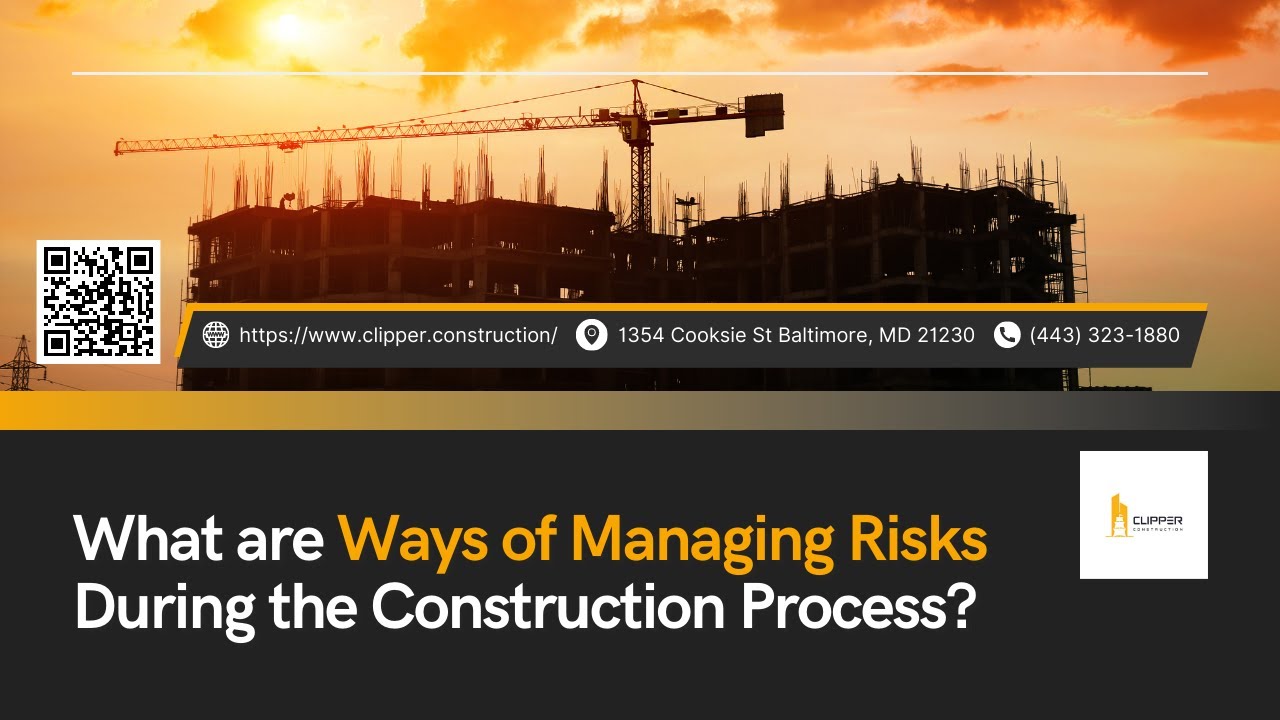
Construction projects are complex endeavors that come with a range of inherent risks. From weather-related challenges to material shortages and safety concerns, managing these risks is crucial to ensure the successful completion of a construction project. In this blog post, we will delve into effective ways of identifying, mitigating, and managing risks during the construction process.
Identifying Construction Risks
A. Common risks in construction projects
Construction projects are susceptible to various risks that can significantly impact their progress and outcomes. Some of the most common risks include unpredictable weather conditions that can delay work, labor and workforce issues leading to labor shortages or disputes, design and engineering flaws causing costly rework, material and supply chain disruptions affecting project timelines, and regulatory and compliance issues leading to legal challenges.
B. Conducting risk assessments
Before a construction project commences, it is crucial to conduct a thorough risk assessment. This involves identifying potential risks and evaluating their potential impact on the project. Various techniques, such as brainstorming sessions, historical data analysis, and expert opinions, can help prioritize risks based on their severity and likelihood of occurrence.
Pre-Construction Risk Management
A. Effective project planning
One of the fundamental ways to manage risks during construction is through meticulous project planning. A comprehensive project scope definition, a detailed timeline with well-defined milestones, and accurate budget allocation and cost estimation are vital components of an effective risk management strategy.
B. Engaging stakeholders early
Early engagement with stakeholders, including clients, project owners, architects, engineers, and contractors, helps in understanding their perspectives and expectations. Building strong communication channels from the outset fosters collaboration and creates an environment conducive to effective risk management.
Mitigating Construction Risks
A. Implementing safety measures
Safety should always be a top priority in construction projects. Compliance with safety regulations, regular safety training for all workers, and maintaining a safe working environment help prevent accidents and injuries, reducing the potential for project delays and legal liabilities.
B. Risk transfer strategies
A construction company can opt for risk transfer strategies to share the burden of potential losses. This involves obtaining appropriate insurance coverage and establishing clear contractual agreements with subcontractors to allocate liability appropriately.
C. Quality control and assurance
Stringent quality control measures are essential to mitigate construction risks. Monitoring construction processes, conducting regular inspections, and performing testing at critical stages of the project ensure that standards are met and deviations are promptly addressed.
Contingency Planning
A. Developing a risk response plan
A well-defined risk response plan outlines how the project team will address identified risks when they arise. This includes establishing risk response teams, defining roles and responsibilities, and outlining steps to take in case of a risk event.
B. Allocating contingency budgets
Setting aside contingency budgets to address unforeseen events is a prudent...Read more
Contact Details:
Full Address: 1354 Cooksie St, Baltimore, MD 21230
Phone Number: (443) 323-1880
Website: https://www.clipper.construction/
Business Hours: Monday to Friday, 6:00 AM to 7:00 PM
Google Maps: https://goo.gl/maps/bf9Lsd2GPQrMfZfW6
Google Site: https://sites.google.com/view/clipperconstruction
About Us:
Clipper Construction is a tech-enabled Commercial General Contracting firm providing construction services across several verticals including retail/office fit-out, adaptive reuse, historical restoration and mixed-use development.
Clipper Construction leverages technology to drive efficiencies in the construction process to ensure projects are on schedule, on budget and exceed our clients expectations. We are also leveraging our background in technology to create a better client experience with our custom client platform we designed to provide more transparency and better communication than our competition in this space.
Social Links:
YouTube: https://youtube.com/@clipperconstruction
Facebook: https://www.facebook.com/clipperconstruction/
Twitter: https://twitter.com/buildclipper
Instagram: https://www.instagram.com/clipperconstruction/
Blogger: https://clipperconstruction.blogspot.com/
WordPress: https://clipperconstruction.wordpress.com/
LinkedIn: https://www.linkedin.com/company/clipper-construction/
Pinterest: https://www.pinterest.ph/clipperconstructioncompany/
Business Site: https://business.google.com/website/clipperconstruction/
Frequently Asked Questions:
• What are the Typical Stages of a Commercial Building Construction Project?
• What are the Advantages of Design-Build Construction?
• What are Some Things to Consider Before Choosing a Commercial Construction Company?
• What are Some Advancements in the Commercial Construction Industry?
• How Do You Ensure That Commercial Construction Projects Are Completed Within Budget and on Schedule?
• Is Design-Build the Best Approach For Commercial Construction?
• What is the Pre-Construction Planning Phase?
• What are the Stages of the Design-Build Process?
• What Commercial Construction Stages Do Project Managers Oversee?
• How Can I Find A Reliable and Reputable Commercial General Contracting Service In My Area?
• What are the Benefits of the Design-Build Construction Process?
• What is the Difference Between Pre-Construction and Construction Project Management?
• How Does Prefabrication Impact Commercial Construction Costs?
• What Emerging Commercial Construction Technologies Are Improving Green Building Practices?
• What are the Primary Factors to Keep in Mind When Planning a Commercial Building Renovation?
• How Can Technology Be Used to Improve Productivity in Commercial Construction?
• What are Ways of Managing Risks During the Construction Process?
• What are the Advantages of Using CAD in the Building Design and the Construction Industry?