Choosing the ideal diet plan for your health goals might be overwhelming because there are so many options accessible these days. Every diet plan, from plant-based to low-carb, has its own set of goals and tenets. We'll look at some of the top scientifically supported diet programs in this blog article and discuss how they can help you reach your greatest health and fitness goals.

The Mediterranean Diet:
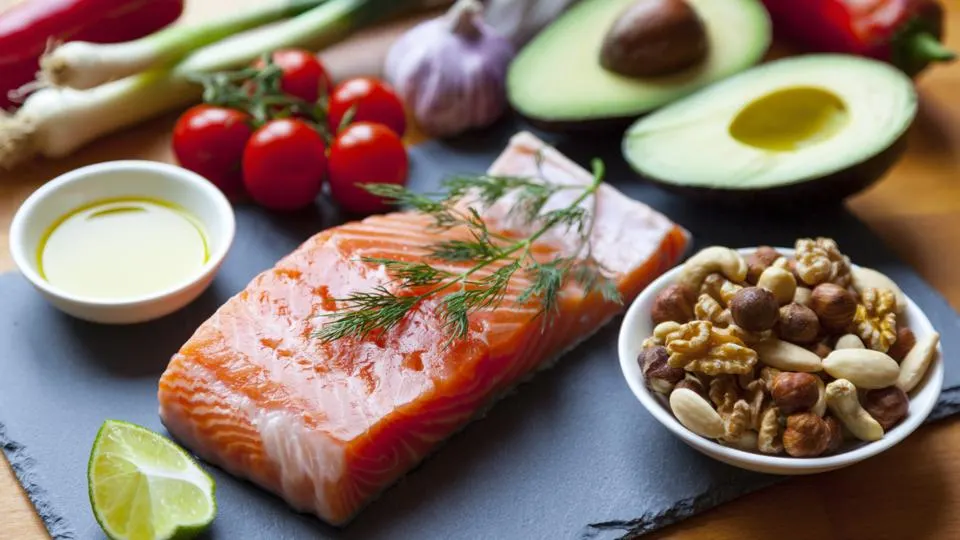
Whole, minimally processed foods and heart-healthy fats like almonds and olive oil are the mainstays of the Mediterranean diet. Fruits, vegetables, whole grains, legumes, and lean meats like chicken and fish are abundant in this diet. A Mediterranean diet has been linked to a lower risk of heart disease, stroke, and other conditions, according to numerous research.
DASH Diet:
The DASH (Dietary Approaches to Stop Hypertension) diet is specifically developed to help lower blood pressure and minimize the risk of hypertension. It places less emphasis on processed foods, saturated fats, sodium, and whole grains in favor of fruits, vegetables, and lean proteins. The DASH diet is a great option for anyone trying to prevent cardiovascular disease and enhance heart health because it has been demonstrated to dramatically lower blood pressure and improve cholesterol levels.
Plant-Based Diet:
A plant-based diet focuses on consuming predominantly plant-derived foods such as fruits, vegetables, whole grains, nuts, seeds, and legumes while minimizing or eliminating animal products. This diet is associated with numerous health benefits, including reduced risk of chronic diseases such as heart disease, diabetes, and certain cancers. Plant-based diets are also environmentally sustainable, making them a popular choice for those concerned about both personal and planetary health.
Low-Carb Diet:
Low-carb diets, including the Atkins and ketogenic diets, limit the amount of carbohydrates consumed while promoting the consumption of protein and good fats. These healthy diets, which reduce carbohydrates, can assist in increasing insulin sensitivity, stabilizing blood sugar levels, and encourage fat reduction. Low-carb diets can help people lose weight temporarily, but it's important to focus on long-term sustainability and balance and to select carbs that are high in nutrients.
Intermittent Fasting:
Cycling between eating and fasting intervals is known as intermittent fasting; daily fasting windows usually last between 12 and 20 hours. This strategy can facilitate cellular repair processes, enhance metabolic health, and aid in weight loss. The 16/8 method, which involves fasting for 16 hours and eating within an 8-hour window, and the 5:2 approach, which involves eating regularly for five days and limiting calories on two non-consecutive days, are two common variations of intermittent fasting.
Flexitarian Diet:
The flexitarian diet is a flexible approach to eating that combines the benefits of plant-based nutrition with occasional consumption of meat and animal products. Flexitarians focus on adding more plant foods to their diet while still allowing for occasional indulgences in animal products. This approach promotes overall health and sustainability while allowing for flexibility and enjoyment in food choices.
Conclusion:
In summary, the ideal diet that best suits your needs will be the one that considers your tastes, lifestyle, and health objectives. There are many different diet programs to pick from, each with special advantages, whether your goals are to manage weight, strengthen your heart, or improve your general well-being. You can start on a path to greater health and vigor by trying out several methods and determining which ones work best for you personally.
For more information visit our website Clinic Online