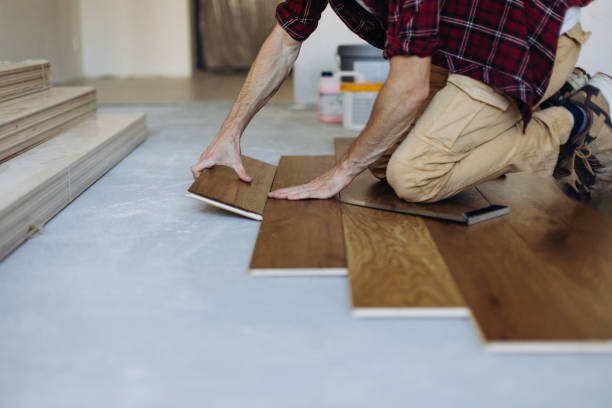
When it comes to home renovation, flooring installation is one of the most impactful decisions you’ll make. Whether you’re upgrading your current flooring or starting from scratch, the type of floor you choose and how it’s installed can significantly affect your space's appearance, functionality, and durability. In this article, we’ll walk you through the flooring installation process and help you make informed decisions about your home’s new floors.
Choosing the Right Flooring Material
Before starting any installation, the first step is selecting the appropriate flooring material. The best choice will depend on factors like the room's function, your budget, and the overall design aesthetic you want to achieve. Here's a closer look at some of the most common flooring types:
1. Hardwood Flooring
Hardwood flooring is a traditional and popular choice for homeowners who want elegance and long-lasting durability. Available in a variety of species and finishes, hardwood can complement any interior style. It’s particularly ideal for living rooms, bedrooms, and dining rooms, where its classic look shines. However, hardwood floors may need refinishing over time, and they’re more susceptible to scratches than some other materials.
2. Vinyl Flooring
Vinyl flooring has seen a rise in popularity due to its affordability, versatility, and water-resistant properties. Vinyl comes in a wide range of styles, including options that replicate wood, stone, and ceramic. It is often used in kitchens, bathrooms, and basements, thanks to its resistance to moisture and ease of maintenance.
3. Tile Flooring
Tile flooring is an excellent choice for wet areas like bathrooms, kitchens, and laundry rooms. Ceramic and porcelain tiles are moisture-resistant, durable, and easy to clean. Tile comes in a wide range of colors, patterns, and sizes, giving you flexibility in achieving the look you desire.
4. Carpet
Carpet is the go-to option for adding warmth and comfort to spaces like bedrooms, living rooms, and home offices. It’s available in a wide range of textures, colors, and designs. While carpets require regular cleaning and maintenance, they provide a soft and cozy feel underfoot.
5. Laminate Flooring
Laminate flooring is an affordable alternative to hardwood that offers a similar aesthetic but with greater durability. It is scratch-resistant, easy to clean, and can handle heavy foot traffic. Laminate is often used in living rooms, hallways, and bedrooms.
Understanding the Flooring Installation Process
Installing new flooring requires careful planning and execution. To ensure your flooring lasts and performs well, here’s a breakdown of the typical installation process:
1. Preparing the Subfloor
The subfloor must be properly prepared before starting the installation. It should be clean, dry, and level. A smooth subfloor ensures that the new flooring adheres well and minimizes the risk of damage or uneven surfaces later on.
2. Acclimating the Flooring
Some flooring materials, such as hardwood, laminate, and vinyl, need to be acclimated to the room temperature and humidity before installation. Allow the flooring to adjust to the environment for at least 48 hours to prevent warping or expansion once it’s installed.
3. Laying the Flooring
Depending on the material, the installation method may vary. For example, hardwood floors are typically nailed or stapled to the subfloor, while laminate and vinyl may snap or click into place. Tile flooring is often installed with mortar and grout to ensure it’s securely fixed.
4. Sealing and Finishing
Once the flooring is in place, it’s important to seal the seams and apply finishing touches. This may include installing trim or baseboards around the edges of the room, ensuring a clean and polished look.
Why Professional Flooring Installation Makes a Difference
While DIY installation may seem appealing, professional flooring installation offers several advantages:
- Efficiency: Professionals can complete the job faster, saving you time and effort.
- Skill and Experience: A flooring expert knows how to handle different materials and installation methods with precision, ensuring the floor is installed correctly.
- Warranty Protection: Many flooring manufacturers offer warranties that are only valid when the installation is done by a certified professional.
Conclusion
Flooring installation is an essential part of any home renovation or construction project. By understanding the types of flooring available, the installation process, and the importance of professional expertise, you can make informed decisions that will lead to a beautiful, durable, and long-lasting floor. Whether you're choosing hardwood, laminate, vinyl, tile, or carpet, professional installation ensures the best possible outcome for your home.