In the ever-evolving landscape of healthcare, precision and safety are paramount. The sterilization of medical instruments, especially delicate and heat-sensitive devices, has always presented a unique challenge. Traditional methods like steam autoclaving or ethylene oxide (EtO) sterilization, while effective for many instruments, can damage sensitive materials or pose environmental and health concerns. This is where the H2O2 Plasma Sterilizer emerges as a game-changer, and the manufacturers behind this innovative technology are at the forefront of infection control.
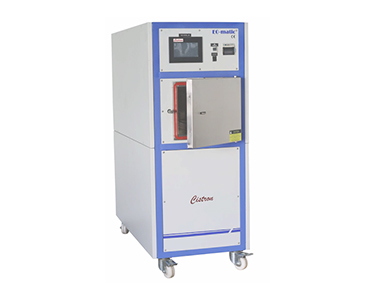
What is H2O2 Plasma Sterilization?
At its core, H2O2 (Hydrogen Peroxide) plasma sterilization is a low-temperature sterilization process. It addresses the critical need to sterilize instruments that cannot withstand the high temperatures and moisture of steam autoclaves. Here's a simplified breakdown of the process:
- Vacuum Phase: The sterilization chamber is evacuated to create a deep vacuum.
- H2O2 Injection: Liquid hydrogen peroxide is vaporized and injected into the chamber, where it disperses and permeates the surfaces of the instruments.
- Diffusion Phase: The H2O2 vapor diffuses and interacts with microorganisms, beginning the sterilization process.
- Plasma Phase: An electromagnetic field is applied, exciting the H2O2 molecules and converting the vapor into a low-temperature plasma cloud. This plasma generates reactive species like hydroxyl radicals and oxygen ions, which effectively destroy the cellular components (proteins, nucleic acids, DNA) of bacteria, viruses, and spores.
- Vent Phase: The plasma is dissipated, and any residual H2O2 is converted back into harmless water vapor and oxygen, which are safely vented from the chamber. The instruments emerge dry, sterilized, and ready for immediate use, with no toxic residues.
Why H2O2 Plasma Sterilizers are Essential for Modern Healthcare
The growing complexity of medical devices, particularly those used in minimally invasive surgeries (like flexible endoscopes with delicate optics and electronics), has fueled the demand for advanced sterilization solutions. H2O2 plasma sterilizers offer significant advantages:
- Low Temperature Operation: This is the primary benefit, making them ideal for heat and moisture-sensitive instruments that would be damaged by steam. This includes many modern endoscopes, cameras, fiber optic cables, and electronic devices.
- Rapid Cycle Times: Compared to EtO sterilization, which can take many hours due to lengthy aeration periods, H2O2 plasma cycles are significantly shorter (typically 25-75 minutes). This improves instrument turnaround time and workflow efficiency in hospitals and clinics.
- No Toxic Residues: The byproducts of H2O2 plasma sterilization are water and oxygen, making it environmentally friendly and safe for both patients and staff. There's no need for special ventilation or long aeration periods, unlike EtO.
- Broad-Spectrum Efficacy: H2O2 plasma effectively inactivates a wide range of microorganisms, ensuring a high level of sterility assurance.
- Enhanced Instrument Longevity: The gentle, low-temperature, and residue-free process helps preserve the integrity and extend the lifespan of expensive and delicate medical instruments.
- Increased Safety: Eliminates the health hazards associated with toxic sterilants, improving the safety of sterile processing department (SPD) personnel.
The Role of H2O2 Plasma Sterilizer Manufacturers
Manufacturers of H2O2 plasma sterilizers are at the forefront of innovation, continuously striving to enhance the technology and meet the evolving needs of the healthcare industry. Their focus areas include:
- Developing Advanced Chamber Designs: Optimizing chamber size and shape for maximum loading capacity and efficient sterilant penetration, especially for complex instruments with lumens.
- Improving Sterilization Cycle Efficiency: Engineering faster cycles without compromising efficacy, often through optimized vacuum systems, H2O2 injection methods, and plasma generation techniques.
- Ensuring Material Compatibility: Rigorous testing and validation to ensure their systems can safely and effectively sterilize a wide array of medical device materials.
- Implementing Smart Technology: Integrating features like touch-screen interfaces, automated control systems, data logging (e.g., U-disk storage for sterilization data), and remote monitoring capabilities for enhanced usability and compliance.
- Adhering to Strict Regulatory Standards: Ensuring their sterilizers comply with international standards such as ISO 14937:2009 for the sterilization of healthcare products, along with regional regulatory requirements.
- Focusing on User Safety and Environmental Responsibility: Designing systems with robust safety interlocks, efficient H2O2 absorption filters, and minimal environmental impact.
Key Applications Driving Demand
H2O2 plasma sterilizers are indispensable in various healthcare settings:
- Hospitals & Surgical Centers: For sterilizing a vast range of instruments used in operating rooms, including endoscopes (rigid and flexible), laparoscopic instruments, electrocautery devices, and ophthalmic instruments.
- Central Sterile Supply Departments (CSSDs): The central hub for reprocessing medical devices, where efficiency and safety are paramount.
- Dental Clinics: Sterilizing heat-sensitive dental instruments and handpieces.
- Research & Diagnostic Laboratories: Ensuring sterility of lab equipment and samples to prevent cross-contamination and ensure accurate results.
- Medical Device Manufacturing: Sterilizing sensitive components during the production of medical devices.
The Future of Sterilization is Plasma-Powered
The global market for low-temperature sterilization, particularly H2O2 plasma sterilizers, is experiencing significant growth. Driven by the increasing prevalence of healthcare-associated infections (HAIs), the rising number of surgical procedures, and a growing emphasis on patient and staff safety, the demand for these advanced systems will only continue to surge. Manufacturers are investing in research and development to introduce even more efficient, user-friendly, and eco-conscious solutions, solidifying the H2O2 plasma sterilizer's role as a cornerstone of modern infection control.
When seeking an H2O2 plasma sterilizer, look for manufacturers with a strong reputation, adherence to international quality standards, a comprehensive product range, and excellent technical support to ensure you invest in a solution that champions both safety and efficiency for your facility.