The Rise of Online Interaction
Online gaming has grown far beyond just a way to pass time. People are increasingly participating in games that allow them to connect with others, share experiences, and collaborate toward common goals. This trend is very similar to how broader online communities work. Just like social media groups or forums, online gaming spaces create environments where people can interact, form friendships, and feel a sense of belonging.
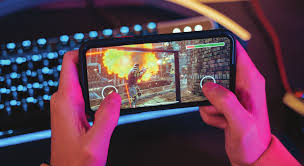
Shared Interests Drive Engagement
One reason online gaming mirrors other online communities is that shared interests bring people together. Players who enjoy similar games or challenges naturally form groups, discuss strategies, and even create content for others to enjoy. This is similar to online forums where people join based on topics that interest them. In gaming, these interactions can range from casual chatting to creating guides and tutorials. Over time, these activities create a strong sense of community, showing that participation in gaming is more than just playing—it’s about connecting.
Communication and Collaboration Skills
Online games often require teamwork and communication. Players coordinate strategies, make real-time decisions, and solve problems together. These collaborative experiences reflect broader online trends where people work together in digital spaces, whether in virtual work environments or hobby-based communities. By participating in online games, players develop skills that are valuable in many areas, including communication, problem-solving, and cooperation.
Events and Challenges Encourage Participation
Another factor that makes online gaming resemble broader online communities is the use of events, challenges, and rewards. Many games feature competitions or seasonal events that encourage players to log in, compete, and engage with others. This is similar to online communities hosting polls, contests, or discussion threads to keep members active. Features like leaderboards, rewards, and recognition encourage participation and foster engagement, showing how gaming mirrors larger trends of online interaction.
Accessibility and Inclusion
Online games are increasingly accessible to a wide range of players, which mirrors the inclusivity seen in many online communities. Games can be played on different devices and often include options to connect across regions and languages. This inclusivity allows more people to participate, share experiences, and feel part of a larger network, just like in diverse online communities.
Entertainment Meets Social Interaction
The integration of social features in online games has created a unique combination of entertainment and social interaction. Players not only enjoy the gameplay but also the ability to chat, join teams, and participate in virtual events. This dual purpose mirrors broader online community trends, where people engage not only for content but also for connection.
Conclusion
Online gaming participation closely reflects trends seen in wider online communities. From shared interests and collaboration to events, rewards, and inclusivity, the digital gaming world mirrors the ways people interact, communicate, and build relationships online. Understanding these patterns shows why gaming is more than just a pastime; it is a social experience that connects people in meaningful ways. For those exploring ways to engage, lotto888 provides an example of how online participation can combine entertainment with social interaction.