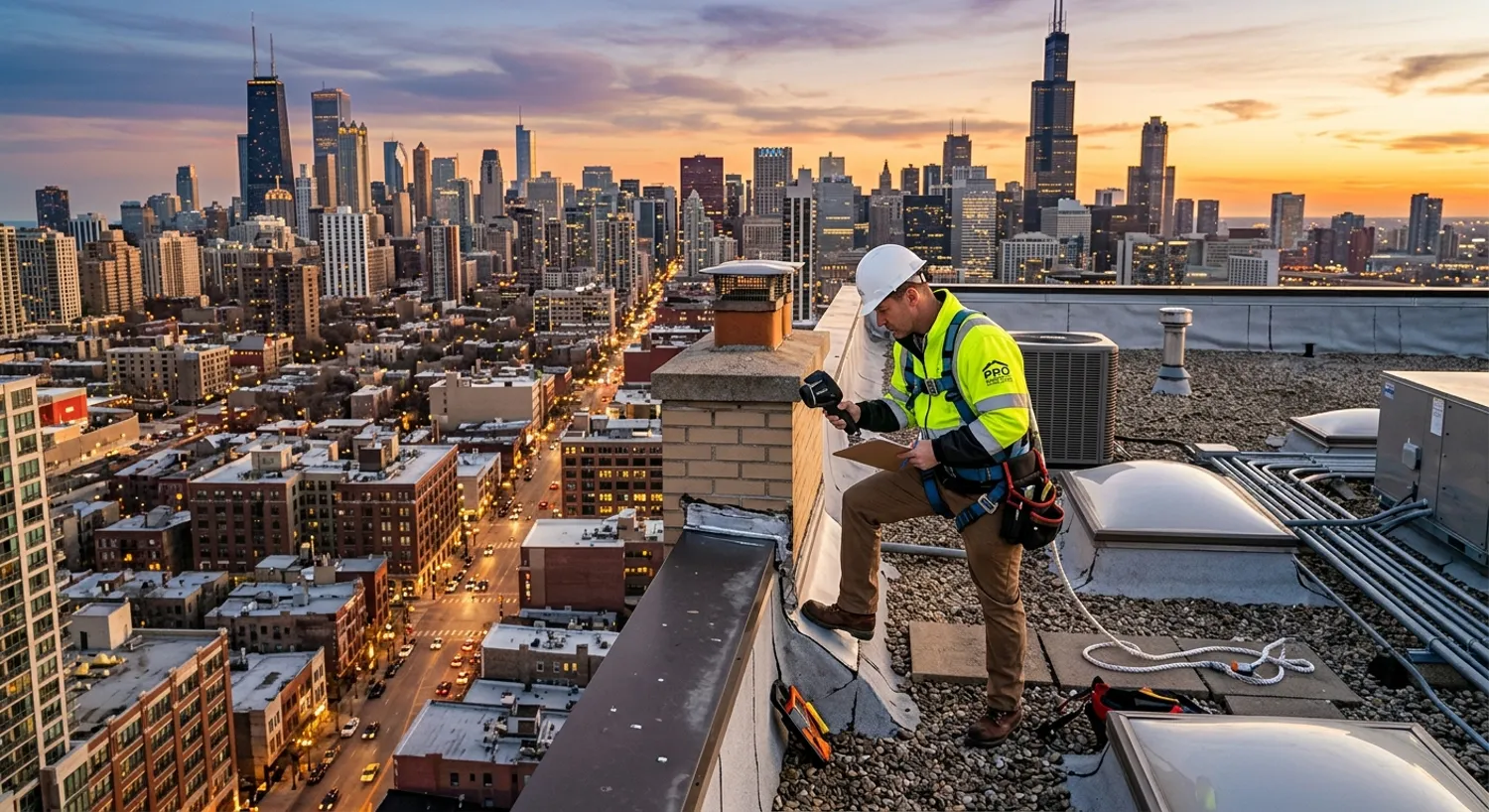
Owning property in New York City comes with a unique set of responsibilities, and roof maintenance sits high on that list. Unlike suburban homes, buildings in dense boroughs like Brooklyn are constantly exposed to environmental stressors—ranging from heavy snowfall and rainstorms to intense summer heat and pollution. Over time, these factors wear down even the most durable roofing systems. The difference between a roof that lasts 10 years and one that performs well beyond 20 often comes down to how it is maintained.
Extending the lifespan of your roof is not about reacting to problems when they appear. It is about adopting a proactive approach that focuses on prevention, timely repairs, and smart material choices. For property owners in NYC, this mindset can save thousands of dollars while preserving structural integrity and property value.
One of the most overlooked aspects of roof longevity is regular inspection. In a fast-paced city environment, small roofing issues often go unnoticed until they develop into costly damage. Cracked shingles, loose flashing, or minor membrane wear may seem insignificant, but they can quickly lead to water infiltration. Routine inspections—especially after major weather events—allow you to identify vulnerabilities before they escalate. Professional inspections are particularly valuable because experienced contractors know where to look and how to interpret subtle warning signs.
Another key factor is proper drainage. Many buildings in NYC rely on flat or low-slope roofs, which are more susceptible to water pooling. When water sits on a roof for extended periods, it weakens materials and increases the risk of leaks. Ensuring that drains, gutters, and downspouts are clear and functioning properly is essential. Debris such as leaves, dirt, and even urban dust can clog drainage systems, leading to unnecessary strain on the roof structure.
Ventilation also plays a significant role in roof health. Poor ventilation traps heat and moisture within the roofing system, accelerating deterioration from the inside out. During winter, inadequate airflow can contribute to ice dam formation, while in summer, excessive heat buildup can cause materials to expand and crack. A balanced ventilation system helps regulate temperature and moisture levels, extending the life of roofing components.
Material quality is another major determinant of durability. Not all roofing materials are created equal, and in a city like New York, choosing the right one can make a substantial difference. Asphalt shingles remain popular for their affordability and versatility, but they require proper installation and maintenance to reach their full lifespan. Flat roofing systems, commonly used in urban buildings, benefit from modern materials like EPDM and TPO, which offer improved resistance to weather and UV exposure. Investing in high-quality materials upfront often reduces the need for frequent repairs later.
Timely repairs are equally important. Many property owners delay fixing minor issues, assuming they can wait until a more convenient time. Unfortunately, roofing problems rarely remain static. A small leak can spread quickly, damaging insulation, ceilings, and even electrical systems. Addressing issues as soon as they arise not only prevents further damage but also minimizes repair costs. In a city where labor and materials come at a premium, early intervention is always the smarter financial decision.
Another practical way to extend roof lifespan is by limiting unnecessary foot traffic. In NYC, rooftops are often used for various purposes, including maintenance access, equipment installation, and even recreational spaces. While these uses are sometimes unavoidable, excessive foot traffic can cause wear and tear, especially on flat roofing membranes. Designating specific walkways or protective surfaces helps reduce direct impact on the roof.
Seasonal maintenance should also be part of every property owner’s routine. Preparing your roof for winter involves checking insulation, sealing vulnerable areas, and ensuring proper drainage to handle snowmelt. In contrast, summer maintenance focuses on inspecting for heat-related damage and ensuring reflective coatings, if present, remain effective. Each season presents different challenges, and adapting your maintenance approach accordingly helps keep the roof in optimal condition year-round.
Urban pollution is another factor that many people underestimate. Airborne contaminants, including dust, debris, and chemical residues, can accumulate on roofing surfaces over time. This buildup not only affects appearance but can also degrade materials. Periodic cleaning, when done correctly, helps maintain both the functionality and longevity of the roof.
Working with a trusted local contractor is perhaps the most important decision you can make. NYC’s building structures, regulations, and weather patterns require specialized knowledge. A contractor with local experience understands how to address these challenges effectively. They can recommend appropriate materials, identify potential risks, and provide maintenance strategies tailored to your specific property.
For those looking to maximize the durability of their roofing system, exploring reliable roof repair and replacement solutions in NYC is a practical step toward long-term protection. Choosing the right professionals ensures that every aspect of the roof—from installation to maintenance—is handled with precision and care.
It is also worth considering long-term upgrades that enhance roof performance. Reflective coatings, improved insulation, and advanced waterproofing systems can significantly extend lifespan while improving energy efficiency. These upgrades may require an initial investment, but they often pay off through reduced maintenance costs and improved building performance.
In a city as demanding as New York, your roof is constantly under pressure. It shields your property from extreme weather, supports essential systems, and plays a vital role in overall structural stability. Treating it as a long-term investment rather than a short-term expense changes the way you approach maintenance and repairs.
Ultimately, extending the lifespan of your roof in NYC comes down to consistency and informed decision-making. Regular inspections, proper drainage, quality materials, and timely repairs all work together to create a roofing system that stands the test of time. Property owners who prioritize these factors not only protect their investment but also ensure peace of mind in one of the world’s most dynamic urban environments.