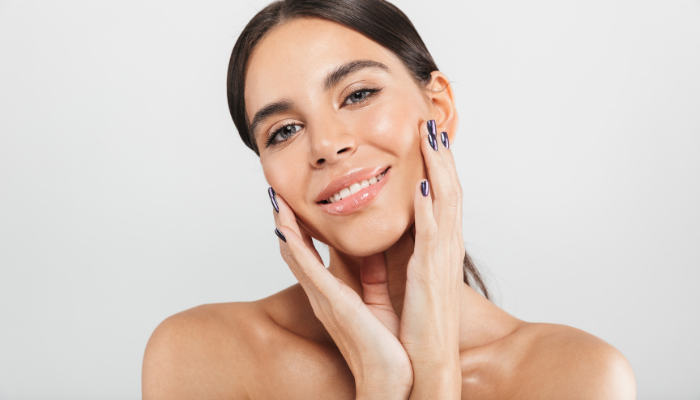
Your Fitzpatrick Skin Type is a key tool for understanding your skin’s natural color, its reaction to sunlight, and its overall health. Developed by dermatologist Dr. Thomas Fitzpatrick, this classification system categorizes skin into six types based on how it responds to ultraviolet (UV) exposure. Understanding your Fitzpatrick type not only explains your tanning and burning tendencies but also helps you make informed choices about skincare, sun protection, and lifestyle habits that preserve and enhance your natural complexion.
1. What Determines Your Skin’s Natural Color?
The color of your skin is primarily determined by melanin, the pigment produced by specialized cells called melanocytes. Melanin exists in two main forms:
- Eumelanin: A brown to black pigment that provides natural UV protection.
- Pheomelanin: A red to yellow pigment that offers less UV protection.
Genetics largely dictate melanin production, which is why family traits often predict skin color. Environmental factors, such as sun exposure and climate, can influence how melanin expresses itself, leading to tanning, pigmentation changes, or uneven tone. By understanding your Fitzpatrick Skin Type, you can anticipate how your skin reacts to these factors.
2. The Fitzpatrick Skin Type Classification
The Fitzpatrick system classifies skin into six types based on UV response:
- Type I: Very fair, always burns, never tans.
- Type II: Fair, usually burns, tans minimally.
- Type III: Medium, sometimes burns, gradually tans.
- Type IV: Olive, rarely burns, tans well.
- Type V: Brown, very rarely burns, tans deeply.
- Type VI: Dark brown to black, never burns, deeply pigmented.
This classification helps dermatologists and skincare professionals predict risks such as sunburn, pigmentation disorders, and skin cancer, while guiding appropriate skincare routines for each type.
3. Sun Protection and Your Skin’s Natural Tone
Regardless of your Fitzpatrick type, protecting your skin from UV damage is essential:
- Lighter skin types (I–III): Highly susceptible to sunburn, premature aging, and pigmentation issues; require high SPF daily.
- Medium skin types (III–IV): Moderate sun sensitivity; consistent sunscreen and protective clothing are recommended.
- Darker skin types (V–VI): Naturally higher melanin content offers UV defense, but long-term exposure can still cause dark spots and hyperpigmentation.
Regular sun protection preserves your natural color and prevents long-term damage.
4. Skincare and Lifestyle for Healthy Skin
Your Fitzpatrick Skin Type informs the most effective skincare and lifestyle practices:
- Moisturization: Keeps the skin barrier intact and supports a healthy glow.
- Antioxidants: Vitamin C, E, and niacinamide combat free radicals and protect pigment.
- Gentle exfoliation: Promotes cell turnover without risking post-inflammatory hyperpigmentation, particularly for darker Fitzpatrick types.
- Diet and hydration: Nutrient-rich foods, healthy fats, and adequate water intake maintain skin tone and radiance.
Healthy habits combined with Fitzpatrick-specific skincare routines enhance and preserve natural pigmentation.
5. Professional Guidance and Treatments
Dermatological treatments should consider your Fitzpatrick Skin Type to prevent adverse effects:
- Laser treatments: Dosage and intensity must be tailored to skin type to avoid burns or pigmentation changes.
- Chemical peels: Appropriate selection based on melanin levels prevents post-treatment hyperpigmentation.
- Facials and light therapy: Support even tone and enhance natural radiance safely.
Working with a professional ensures that your natural color is maintained while achieving optimal skin health.
Conclusion: Embrace Your Skin’s Unique Natural Color
Understanding your Fitzpatrick Skin Type is fundamental to caring for and celebrating your natural skin color. By recognizing how genetics, sun exposure, and environmental factors influence your pigmentation, you can implement effective sun protection, skincare routines, and lifestyle habits. This knowledge empowers you to preserve your skin’s natural beauty, prevent damage, and maintain a healthy, radiant complexion throughout your life. Embrace your unique skin type and let it shine confidently every day.