Learning disabilities (LDs) are neurological conditions that affect how individuals process, understand, and respond to information. Contrary to misconceptions, LDs do not reflect a child's intelligence but rather how their brain processes information. Common types include dyslexia (reading difficulties), dyscalculia (math difficulties), and dysgraphia (writing difficulties).
Recognizing the Signs
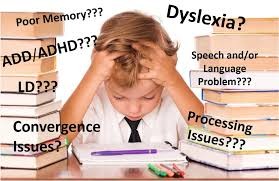
Early identification of learning disabilities is crucial for effective intervention. Parents and educators should be vigilant for signs such as:
- Difficulty reading, writing, or understanding math concepts
- Challenges in following instructions or organizing tasks
- Struggles with memory retention or recalling information
- Avoidance of tasks that require reading or writing
If these signs are observed, seeking a comprehensive evaluation from a developmental specialist can provide clarity and direction.
Supportive Interventions
At Child & Family Development, we offer a range of services tailored to support children with learning disabilities:
- Educational Services: Our team addresses various learning differences, including ADHD, dyslexia, and dysgraphia, through individualized educational plans.
- Psychological Services: We provide assessments and therapeutic interventions to help children manage emotional and behavioral challenges associated with LDs.
- Occupational Therapy: Our therapists work on enhancing motor skills, sensory processing, and daily living activities, which are often affected in children with LDs.
- Speech-Language Therapy: We assist in improving communication skills, which are vital for academic success and social interactions.
Our multidisciplinary approach ensures that each child receives comprehensive care tailored to their unique needs.
Empowering Families
Supporting a child with a learning disability extends beyond professional interventions. Families play a pivotal role in fostering a positive environment:
- Open Communication: Maintain regular dialogue with educators and therapists to stay informed about your child's progress.
- Encouragement: Celebrate small victories to build confidence and motivation.
- Structured Routine: Establish consistent routines to provide stability and reduce anxiety.
- Resource Utilization: Leverage assistive technologies and tools to support learning at home.
Looking Ahead
With early intervention and consistent support, children with learning disabilities can thrive academically and socially. At Child & Family Development, we are committed to partnering with families to unlock every child's potential. If you suspect your child may have a learning disability, don't hesitate to reach out to our team for guidance and support.
Together, we can create a path to success for children with learning disabilities.