Keeping track of your heart rate is one of the best ways to know how your body reacts during exercise. If you are someone who loves working out, running, cycling, or doing any kind of physical activity, then a Chest Strap HR Monitor can be your best friend. HR stands for “Heart Rate.” So, this device simply helps you know how fast your heart is beating.
While many people now use smartwatches or fitness bands, a chest strap HR monitor is known for its higher accuracy. It wraps around your chest, stays close to your heart, and gives real-time data while you are moving. Whether you’re an athlete or just someone trying to stay fit, this tool can help you understand your body better.
In this article, we will explain everything in very simple language. From how it works, to how to wear it, and what things to check before buying – we’ll cover it all. This way, you can make a smart choice and use the chest strap HR monitor in the best way possible.
What Is a Chest Strap HR Monitor
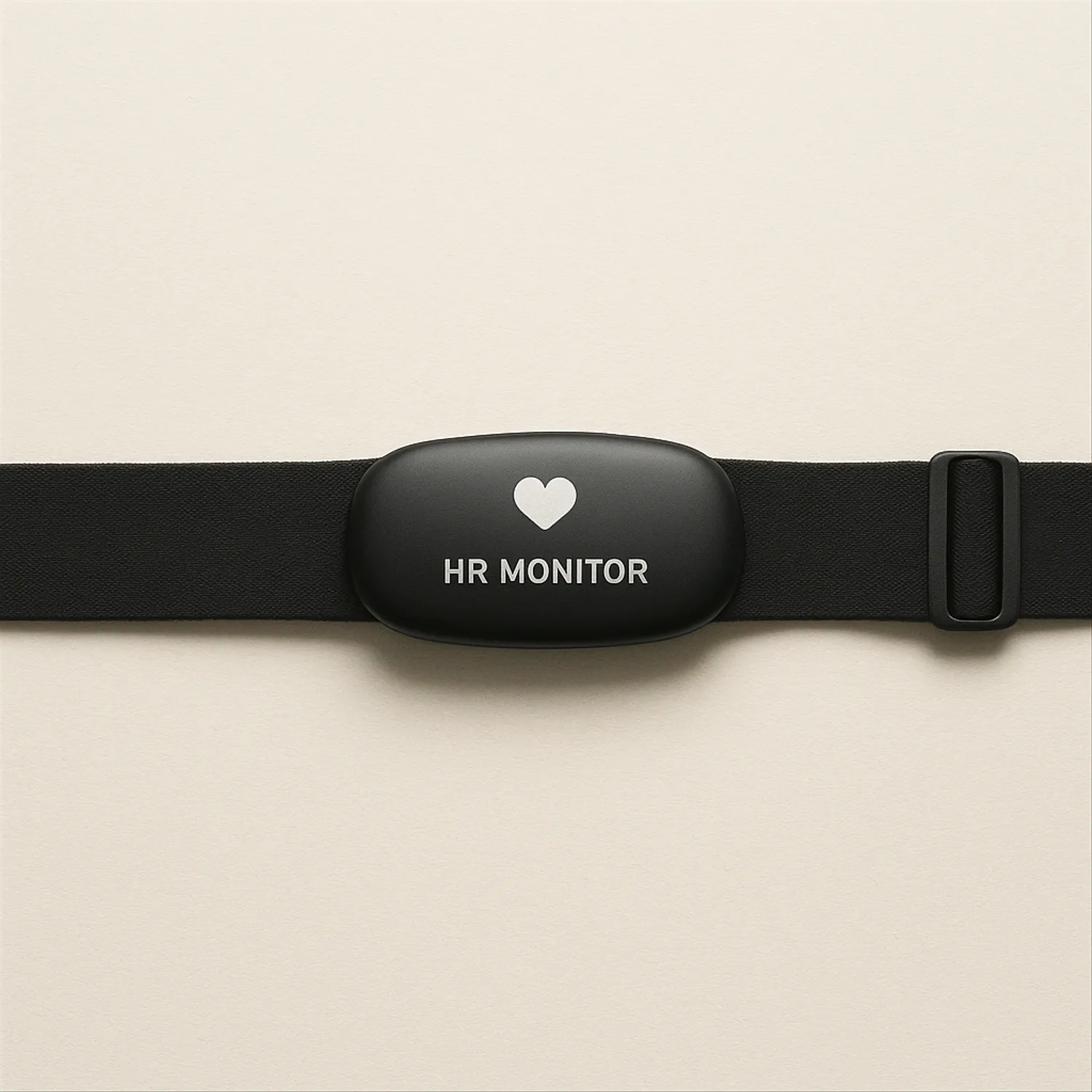
A chest strap HR monitor is a device that helps track your heart rate during workouts or everyday activities. It is a simple band that you wear around your chest, just below your chest muscles. In the middle of the strap, there is a small sensor. This sensor reads your heartbeats and sends the data to a connected device like a phone, smartwatch, or fitness app.
Unlike wrist-based monitors, a chest strap HR monitor is more accurate because it stays closer to the heart. It uses a method called electrocardiography (ECG) to read your heart’s signals. The sensor can detect the small electrical signals that your heart makes when it beats. Because of this technology, chest strap monitors can show very precise heart rate numbers.
Most of these devices connect via Bluetooth or ANT+ technology. So, you can easily pair them with your smartphone, gym equipment, or sports watch. Some top brands like Garmin, Polar, and Wahoo make high-quality chest straps that athletes and fitness lovers trust.
Using this monitor can help you train smarter. For example, if you want to lose weight or build stamina, knowing your heart rate helps you stay in the right zone. It also tells you when you’re pushing too hard or not enough. Overall, the chest strap HR monitor is a very helpful tool for anyone who wants to understand their body better and improve their health.
How to Wear It Correctly
Wearing the chest strap HR monitor the right way is very important. If you wear it wrong, it may give wrong readings or not work at all. But don’t worry. It’s very simple to wear once you know the steps.
First, take the strap and make sure it fits snug around your chest. It should not be too tight or too loose. You can adjust the strap just like a belt. Now, place the sensor in the middle of your chest, just below your chest muscles. For men, this is usually under the pectoral muscles. For women, it may sit just under the sports bra line.
Some straps ask you to wet the sensor pads slightly before wearing. This is because the moisture helps the sensor detect your heartbeat better. Just use a few drops of water. Once it's in place, make sure it’s lying flat on your skin and not moving around.
After you wear it, turn on the device and connect it to your app or fitness watch. Most devices will show a green or blue light once they’re connected. If you don’t see any data, try checking the strap, tightening it slightly, or reconnecting the Bluetooth.
Also, remember to clean it after every use. Sweat can damage the strap over time. Simply remove the sensor and wash the strap with mild soap and water. Let it dry completely before using it again.
Wearing it the right way ensures you get accurate heart rate data every time. So, spend a minute adjusting it properly before you start your workout.
Top Benefits of Using It
There are many good reasons why people use a chest strap HR monitor. Here are some of the most important benefits, explained in simple words.
1. High Accuracy: This is the biggest advantage. Because the strap is close to your heart, it gives more accurate readings than wristbands. For athletes or serious fitness lovers, this can make a big difference in training.
2. Helps You Stay in the Right Zone: Your heart rate zones tell you how hard your body is working. Whether you want to burn fat, improve stamina, or build strength, staying in the right zone is key. The monitor helps you stay in that zone throughout your workout.
3. Better Than Guessing: Many people guess their effort level. But that’s not always correct. With a chest strap HR monitor, you get real numbers. This means you can adjust your speed, rest time, or workout style based on real data.
4. Improves Your Health Over Time: When you use it regularly, you’ll see how your body improves. For example, your resting heart rate may go down, or your recovery time may improve. These are signs of better heart health.
5. Useful in Different Sports: It’s not just for gym workouts. You can use it for running, cycling, rowing, swimming (if waterproof), and even yoga. Some models store your data and sync it later when you're done.
6. Tracks Recovery: After a hard session, it's important to see how fast your heart rate comes back to normal. A chest strap can help you monitor that, so you don’t overtrain.
So, if you are serious about improving your fitness or even just understanding your heart better, this tool is a smart choice.
Choosing the Best HR Monitor
When looking for a good chest strap HR monitor, there are a few things you should always check before buying. Here’s a simple guide to help you pick the right one.
1. Accuracy: The main reason you’re buying this device is for accurate heart rate readings. So, check reviews or user feedback to see if the model provides consistent and correct data.
2. Comfort and Fit: Since you’ll be wearing it during workouts, the strap should be comfortable. It should stay in place but not feel tight. Choose one with an adjustable and soft strap.
3. Connectivity: Most modern monitors use Bluetooth or ANT+ to connect to devices. Make sure the one you pick is compatible with your phone, smartwatch, or app (like Strava, Garmin Connect, or Apple Health).
4. Battery Life: Some use replaceable coin cell batteries, while others are rechargeable. Check how long the battery lasts. Good models offer 6 months to a year of usage on one battery.
5. Waterproof: If you swim or sweat a lot, pick a waterproof or sweat-resistant strap. Some are safe for pool use, while others are not.
6. Brand and Warranty: Choose from trusted brands like Garmin, Polar, Wahoo, or Suunto. They offer better support, warranty, and performance.
7. Extra Features: Some advanced models also track HRV (Heart Rate Variability), calories, and workout intensity. These can help if you want deeper insights.
In short, don’t rush to buy the cheapest one. Pick a chest strap HR monitor that suits your goals, feels good, and lasts long.
Using It with Fitness Apps
One of the best things about chest strap HR monitors is that they work well with popular fitness apps. When you connect your monitor with an app, you can see your heart rate in real time, track your past workouts, and even get health suggestions.
Popular apps that support chest strap HR monitors include:
- Strava
- Garmin Connect
- Wahoo Fitness
- Polar Beat
- Apple Health
- Zwift (for indoor cycling)
- MyFitnessPal
- Nike Run Club
Here’s how you usually connect your device:
- Turn on Bluetooth on your phone.
- Wear the chest strap properly.
- Open the app and go to settings or devices.
- Select “Add Heart Rate Monitor” or similar.
- Your app will scan and find your device.
- Tap to connect – and you’re done!
Once connected, your app will show your heart rate in real time during runs, rides, or gym workouts. Some apps even give voice alerts when your heart rate goes too high or low.
After your workout, the app stores the data. This helps you check your performance, progress, and improvement over weeks or months. You can even share your workout with friends or coaches.
Using a chest strap HR monitor with these apps turns your phone into a smart fitness coach. It’s simple, helpful, and motivating.
Tips to Maintain and Store It
To make your chest strap HR monitor last longer and work properly, you need to take care of it. A few small habits can make a big difference.
1. Clean After Every Use: Sweat and dirt can damage the strap. Always remove the sensor and rinse the strap with water or mild soap. Wipe the sensor with a damp cloth and dry it fully before storing.
2. Don’t Fold the Sensor: Avoid folding or bending the sensor part of the strap. This can break the internal components.
3. Remove Battery if Not in Use: If you're not using the strap for a long time, remove the battery to avoid leakage.
4. Store in Dry Area: Always keep it in a cool and dry place. Avoid sunlight, heat, or moisture, as these can damage both strap and sensor.
5. Check Battery Regularly: If the device is not connecting or showing wrong data, check if the battery needs replacement.
6. Update Software: Some chest strap HR monitors have firmware updates. If your brand has an app, use it to check and update your device.
Proper maintenance means your monitor will work well, stay accurate, and save you money in the long run.
Conclusion
A Chest Strap HR Monitor is a powerful tool for anyone who wants to understand their heart better during exercise. It gives very accurate readings, helps you train smarter, and keeps you safe. Whether you're a beginner or a professional, this small device can make a big difference in your health journey.
From choosing the right one to using it with apps and taking care of it – everything becomes easy once you know the basics. So if you’re thinking about improving your fitness, getting a chest strap HR monitor is a very smart step.
Frequently Asked Questions (FAQs)
Q1. Is a chest strap HR monitor better than a smartwatch?
Yes, chest strap HR monitors are more accurate than smartwatches because they sit close to your heart and use ECG technology.
Q2. Can I wear the chest strap all day?
It is designed for workouts, not for 24-hour use. Wearing it for long hours may cause discomfort or skin irritation.