BMW vehicles are engineered with precision, advanced safety technology, and performance-driven architecture.
When a collision occurs—whether minor or major—the repair process must meet strict standards to maintain the vehicle’s integrity.
OEM collision repair is the only method that ensures your BMW is restored exactly to manufacturer specifications.
Given the complexity of BMW systems, body structure, and innovative materials, choosing a repair shop with brand-specific expertise is essential for safety, performance, and long-term value.
Selecting a qualified BMW repair facility isn’t just about fixing damage—it’s about protecting the engineering excellence your vehicle was built with.
That’s why many drivers look for a BMW certified collision repair shop in Surrey to ensure their vehicle receives proper, manufacturer-approved care.
Why BMW Vehicles Need OEM-Specific Repair Methods?
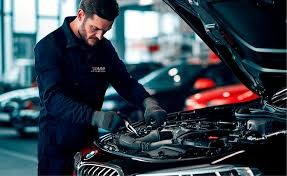
BMW uses advanced construction materials, cutting-edge sensors, and factory-calibrated systems that require brand-specific tools and procedures.
Unlike standard cars, BMWs integrate high-strength steel, aluminum, carbon fiber, and composite components. Each material behaves differently and demands unique repair protocols.
Here’s why BMW-specific methods are essential:
- Precision engineering: Even minor misalignments can affect handling, aerodynamics, and chassis balance.
- Advanced electronics: BMW’s safety and driving assistance technologies must be recalibrated after a collision.
- Material-specific repairs: Aluminum, carbon fiber, and high-strength steel cannot be repaired using generic techniques.
- Warranty preservation: Non-OEM parts or improper repairs can void factory warranties.
BMW engineering is built around performance and safety. To maintain these standards, repairs must match factory specifications exactly.
The Role of OEM Parts in BMW Repair
Using genuine BMW parts ensures that every component fits perfectly and performs exactly as intended.
Unlike aftermarket parts—which may not meet the same quality standards—OEM components are designed to work seamlessly with BMW’s structural integrity, mechanical systems, and electronics.
Benefits of OEM parts include:
- Proper fitment and alignment
- Consistent material quality
- Reliable performance
- Full compatibility with sensors and driver-assist systems
- Manufacturer-backed reliability
OEM parts help ensure that your BMW drives, handles, and protects you the way it did before the collision.
Advanced Safety and Technology Recalibration
BMW vehicles feature a wide range of advanced safety and performance technologies, including:
- Active Driving Assistant
- Adaptive cruise control
- Lane departure warning
- Parking assistance systems
- Front and rear collision warning
- Blind-spot detection
- 360° camera systems
- Intelligent braking systems
After a collision, even minor misalignment can disrupt these systems. OEM-certified repair facilities have access to the diagnostic tools and calibration equipment necessary to restore factory functionality.
When these systems are not recalibrated properly, it can lead to unreliable warnings, inaccurate sensor data, and compromised safety. This is why OEM-certified repair is not optional—it’s essential.
BMW Structural Integrity and Frame Repair
BMW designs its vehicles with a balanced mix of lightweight materials and high-strength components to improve:
- Crash safety
- Handling dynamics
- Weight distribution
- Fuel efficiency
This balance is sensitive. Incorrect repairs can weaken the frame, alter the vehicle’s performance, or create long-term safety concerns.
Certified repair facilities follow exact BMW structural repair guidelines, including:
- Proper welding and bonding techniques
- Correct rivet and fastener use
- Manufacturer-recommended sectioning procedures
- Precision measurement systems to ensure frame accuracy
Anything less than OEM-level expertise risks compromising the vehicle’s performance and crash protection.
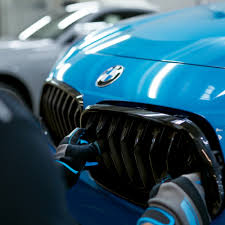
The Importance of Paint and Finish Precision
BMW’s paint finishes are multi-layered, highly refined, and designed for long-term durability and color consistency. Achieving a seamless, factory-quality finish requires:
- Digital color-matching
- Controlled spray environments
- High-end European paint systems
- Proper refinishing and curing processes
- Skilled technicians trained in premium paint applications
This ensures that repairs blend perfectly with the rest of the vehicle and maintain its high-end appearance and resale value.
Protecting Resale Value with OEM Collision Repair
BMW owners understand the importance of maintaining the vehicle’s value. OEM repairs help protect that investment by ensuring:
- Accurate factory-level restoration
- Documented OEM procedures
- Use of genuine BMW parts
- Proper calibration of all systems
- Verified structural safety
Vehicles repaired at certified facilities consistently hold better resale value because buyers trust the quality and accuracy of OEM methods.
Conclusion
BMW vehicles require far more than typical auto body repair—they demand manufacturer-level precision, proper calibration of advanced systems, and exact structural restoration.
OEM collision repair ensures that your vehicle’s performance, safety features, and long-term reliability remain intact.
Choosing a certified BMW repair facility is the best way to protect your investment, preserve warranty coverage, and ensure that your vehicle is restored to the exacting standards it was built with.