When the cold season hits, a properly functioning heating system is essential for comfort, safety, and energy efficiency. However, like any mechanical system, central heating systems can develop faults over time. Understanding the basics of central heating repair can help homeowners identify issues early, reduce repair costs, and ensure their system runs smoothly when it’s needed most.
In this expert guide, we’ll explore the most common central heating problems, their causes, and practical solutions to keep your system in top condition.
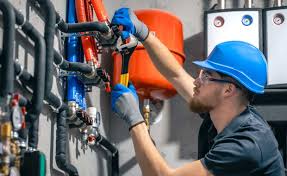
Understanding How Central Heating Works
Before diving into repairs, it’s helpful to understand how a central heating system operates. Most systems consist of a boiler, radiators, pipes, and a thermostat. The boiler heats water, which is then circulated through pipes to radiators throughout the property. The thermostat controls the temperature, ensuring your home remains comfortable.
When one component fails, it can disrupt the entire system—making timely central heating repair crucial.
Common Central Heating Problems and Their Solutions
1. No Heat or Hot Water
The Problem:
One of the most frustrating issues is when your system stops producing heat or hot water altogether.
Possible Causes:
- Broken diaphragm or airlock
- Faulty thermostat
- Low water levels
- Motorized valve failure
Solution:
Start by checking the thermostat settings and ensuring it’s functioning properly. If that’s not the issue, inspect the boiler pressure—low pressure can prevent the system from working. If the problem persists, it’s best to contact a professional for central heating repair, as internal components may need replacement.
2. Radiators Not Heating Properly
The Problem:
Some radiators may remain cold while others heat up normally.
Possible Causes:
- Air trapped in the system
- Sludge or debris buildup
- Faulty radiator valves
Solution:
Bleeding the radiators is often a quick fix. This releases trapped air and restores proper circulation. If only the bottom of the radiator is cold, sludge buildup may be the issue, requiring a power flush—a more advanced central heating repair solution.
3. Strange Noises from the Boiler
The Problem:
Banging, whistling, or gurgling sounds coming from your boiler.
Possible Causes:
- Air in the system
- Low water pressure
- Limescale buildup (kettling)
Solution:
Bleeding the system may resolve minor noise issues. However, persistent noises often indicate internal scaling or component wear. In such cases, professional central heating repair is necessary to prevent long-term damage.
4. Boiler Keeps Turning Off
The Problem:
Your boiler frequently shuts down without warning.
Possible Causes:
- Low water pressure
- Thermostat problems
- Blocked pipes
- Pump failure
Solution:
Check the pressure gauge and refill if necessary. Ensure the thermostat is set correctly and functioning. If the boiler continues to shut off, a technician should inspect the pump and internal controls as part of a comprehensive central heating repair.
5. Leaking or Dripping Boiler
The Problem:
Water pooling around your boiler or dripping from pipes.
Possible Causes:
- Corroded pipes
- Loose joints
- Faulty pressure valves
Solution:
Turn off the water supply immediately to prevent further damage. While tightening joints might temporarily stop the leak, most cases require professional central heating repair to replace damaged components safely.
6. Thermostat Issues
The Problem:
The heating system doesn’t respond to thermostat adjustments.
Possible Causes:
- Dead batteries
- Incorrect settings
- Faulty wiring
Solution:
Replace batteries and double-check settings. If the issue continues, the thermostat may need recalibration or replacement, which is a relatively simple central heating repair task for professionals.
7. Low Boiler Pressure
The Problem:
Pressure gauge readings below the recommended level (usually 1–1.5 bar).
Possible Causes:
- Water leaks
- Recently bled radiators
- System wear
Solution:
Re-pressurize the system using the filling loop as per manufacturer instructions. If pressure drops repeatedly, it indicates a leak or internal fault requiring expert central heating repair.
Preventative Maintenance Tips
While central heating repair is sometimes unavoidable, regular maintenance can significantly reduce the likelihood of major issues.
Schedule Annual Servicing
An annual inspection by a qualified technician ensures that your system operates efficiently and safely. Preventative checks can identify minor problems before they escalate into costly repairs.
Bleed Radiators Regularly
Trapped air reduces heating efficiency. Bleeding radiators at least once a year helps maintain consistent heat distribution.
Monitor Boiler Pressure
Keep an eye on the pressure gauge and maintain it within the recommended range to avoid unnecessary strain on the system.
Power Flush the System
Over time, sludge and debris can accumulate in pipes and radiators. A professional power flush every few years can improve performance and extend system lifespan.
Upgrade Old Components
If your system is outdated, replacing old parts or upgrading to a modern boiler can reduce the need for frequent central heating repair and improve energy efficiency.
When to Call a Professional
While some minor issues can be handled with basic troubleshooting, many central heating problems require expert intervention. You should contact a professional if:
- You suspect a gas or electrical fault
- The boiler repeatedly fails
- There are persistent leaks
- Unusual noises continue despite basic fixes
- The system is over 10–15 years old
Attempting complex central heating repair without proper knowledge can be dangerous and may void warranties.
Choosing the Right Repair Service
Selecting a reliable central heating repair service is just as important as fixing the issue itself. Here’s what to look for:
- Certification and Licensing: Ensure technicians are properly qualified
- Experience: Look for companies with proven expertise
- Customer Reviews: Positive feedback indicates reliability
- Transparent Pricing: Avoid hidden costs
- Emergency Services: 24/7 availability is a major advantage
Final Thoughts
A well-maintained heating system is essential for comfort and peace of mind during colder months. By understanding common problems and their solutions, you can take proactive steps to minimize disruptions and ensure efficient performance.
Whether it’s bleeding radiators, checking boiler pressure, or calling in professionals for advanced central heating repair, timely action can save you money and prevent bigger issues down the line. Regular maintenance, combined with expert support when needed, will keep your central heating system running smoothly for years to come.
Investing in proper care today means a warmer, worry-free home tomorrow.