Before selecting a coffee table, it's crucial to understand its intended purpose. Will it be a functional piece for holding drinks and snacks during gatherings, or do you need it primarily for decorative purposes? Some coffee tables serve as the centerpiece of a living room, anchoring the space with their design, while others might offer storage solutions with shelves or drawers. If your living room is frequently used for entertaining, you may want a sturdy table with ample surface area.
Understanding the Purpose of Your Coffee Table
On the other hand, if your space is more about relaxation and aesthetics, a coffee table with a unique design or artistic elements might be more suitable. Defining the primary function of your coffee table helps narrow down the options, ensuring that you choose a piece that enhances the usability and appearance of your living room.
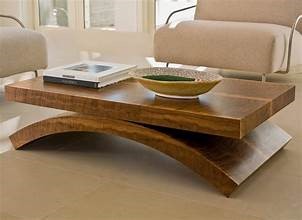
Considering the Size and Scale of Your Coffee Table
The size and scale of your coffee table to consider, as they directly impact the overall balance and flow of your living space. The coffee table should be proportionate to the size of your sofa and the surrounding furniture. A common rule of thumb is that the coffee table should be approximately two-thirds the length of your sofa. The height of the table is also important; it should be level with or slightly lower than the seat of your sofa to ensure comfort and accessibility. If you have a larger living room, a more substantial coffee table may be appropriate, while smaller spaces might benefit from a more compact or multi-functional piece.
Exploring Different Coffee Table Shapes
Coffee tables come in various shapes, each with its own set of advantages depending on your room layout and design preferences. Rectangular and oval coffee tables are popular choices for traditional and modern spaces, providing ample surface area and fitting well with standard sofa shapes. Round and square tables can soften the look of a room and are often preferred in smaller spaces or for creating a more intimate seating arrangement. If you have a sectional sofa, a round or oval table can facilitate easier movement around the room. Irregular or freeform coffee tables are ideal for those who want to make a bold statement or break away from conventional designs.
Choosing the Right Material for Your Coffee Table
The material of your coffee table plays a significant role in determining its durability, aesthetic appeal, and maintenance requirements. Wooden coffee tables offer a classic and timeless look, with options ranging from solid wood to veneers in various finishes. They are sturdy and versatile, making them suitable for both traditional and contemporary interiors. Glass coffee tables, on the other hand, add a sense of openness and lightness to a room, making them an excellent choice for smaller spaces. However, they require regular cleaning to maintain their appearance.
Balancing Style and Functionality in Your Coffee Table
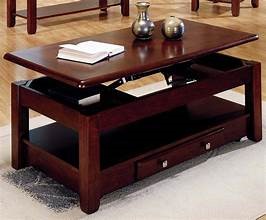
While aesthetics are important, functionality should not be overlooked when choosing a coffee table. A beautiful table that doesn’t meet your needs can become more of a hindrance than a benefit. Consider features like storage options, such as drawers or shelves, which can help keep your living room tidy by providing space to store remote controls, magazines, or other small items. Some coffee tables also offer adjustable heights, making them versatile for different uses, such as dining or working from the sofa.
Matching Your Coffee Table to Your Interior Décor
Your coffee table should harmonize with the overall style and color scheme of your living room. Whether your décor leans toward modern, traditional, rustic, or eclectic, there is a coffee table that can enhance your aesthetic. For a cohesive look, consider the materials, colors, and shapes of your existing furniture. A minimalist, glass-topped coffee table might be ideal for a modern, airy living room, while a reclaimed wood table could complement a rustic or industrial interior. Mixing and matching styles can also be effective, but it requires a careful balance to ensure the space doesn’t become visually chaotic.
Conclusion
Selecting the right coffee table involves more than just picking a piece that looks good. It requires careful consideration of the table’s purpose, size, shape, material, functionality, and how well it complements your existing décor. By taking the time to evaluate these factors, you can choose a coffee table that not only enhances the aesthetic appeal of your living room but also meets your practical needs.
FAQs
How do I choose the right size coffee table for my living room?
The coffee table should be about two-thirds the length of your sofa and the same height or slightly lower than the seat of your sofa for optimal proportion and comfort.
What are the most durable materials for coffee tables?
Solid wood, metal, and stone are among the most durable materials for coffee tables, offering longevity and resilience in various living environments.
Can I mix and match coffee table styles with my existing décor?
Yes, mixing and matching styles can create an eclectic look, but it's important to maintain a balance to avoid a cluttered appearance.
What shape of coffee table works best for small spaces?
Round or oval coffee tables are ideal for small spaces, as they facilitate better movement around the room and soften the overall look.
Are glass coffee tables hard to maintain?
Glass coffee tables require regular cleaning to keep them looking their best, as they can show fingerprints, dust, and smudges more easily than other materials.