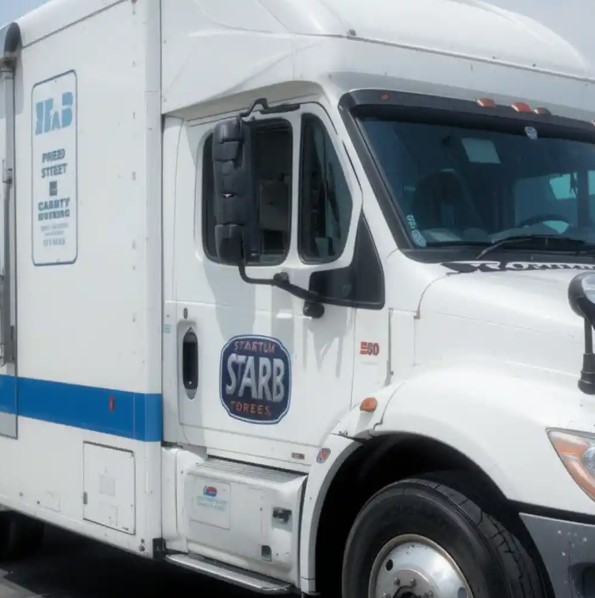
If you're in California and own a fleet of vehicles, you’ve probably heard about CARB compliance testing. The California Air Resources Board (CARB) sets strict emissions standards to keep our air clean. But let’s be honest scheduling compliance tests can feel like navigating a maze blindfolded.
What if I told you there’s an easier way? Mobile CARB compliance testing brings the lab to you, saving time, hassle, and headaches. In this guide, I’ll walk you through the entire process step by step so you can schedule your test without breaking a sweat.
Why Mobile CARB Compliance Testing is a Game-Changer
Instead of driving your entire fleet to a testing facility (and losing precious work hours), a certified technician comes to your location. No downtime, no logistical nightmares, just a smooth, efficient process. To learn more, visit Nor Cal Diesel Testing, they provide certified mobile testing services for California's Clean Truck Check program.
Mobile testing is especially great for:
✔ Large fleets (Why move 50 trucks when one tester can come to you?)
✔ Businesses with tight schedules (Minimize disruptions)
✔ Remote locations (No need to trek across the state)
Still not convinced? Think of it like ordering pizza—why go out when you can have it delivered to your door?
Step-by-Step Guide to Scheduling Your Mobile CARB Test
1. Understand Your Compliance Requirements
Before booking, know what you need. CARB regulations vary based on:
- Vehicle type (diesel, gasoline, hybrid)
- Gross vehicle weight rating (GVWR)
- Model year
Check CARB’s official website or consult an expert to ensure you’re testing the right vehicles under the right standards.
2. Find a Certified Mobile Testing Provider
Not all testing services are created equal. Look for:
✅ CARB-accredited technicians
✅ Strong customer reviews
✅ Transparent pricing
A quick Google search for "mobile CARB compliance testing near me" should give you solid options.
3. Request a Quote and Schedule
Once you’ve picked a provider:
- Contact them (phone, email, or online form)
- Provide fleet details (number of vehicles, types, location)
- Choose a date/time that fits your operations
Pro tip: Schedule during off-peak hours to avoid workflow interruptions.
4. Prepare Your Vehicles
To ensure a smooth test day:
🔧 Perform basic maintenance (Check engine lights, fluid levels)
⛽ Use the correct fuel (Some tests require specific fuel types)
📋 Gather documentation (Registration, past test records)
5. On Testing Day
The technician will arrive with all necessary equipment. Your job? Just point them to the vehicles. Tests usually include:
- Opacity tests (for diesel engines)
- On-board diagnostics (OBD) checks
- Visual inspections
Once done, you’ll receive a compliance report. If any vehicles fail, the technician can advise on next steps.
Common Mistakes to Avoid
Even seasoned fleet managers slip up. Here’s what not to do:
❌ Waiting until the last minute – CARB deadlines aren’t flexible.
❌ Skipping pre-test maintenance – A faulty sensor could mean a failed test.
❌ Choosing an uncertified tester – Only CARB-approved providers give valid results.
Benefits of Mobile Testing vs. Traditional Testing
FactorMobile TestingTraditional TestingConvenienceComes to youYou go to themTime SavedMinimal disruptionHours lost in transitCostOften competitiveMay include hidden fees
Cost Comparison: Is Mobile Testing More Expensive?
You might think mobile testing costs more, but factor in:
- Fuel savings (No driving to a lab)
- Reduced downtime (Employees stay productive)
- Bulk discounts (Many providers offer fleet pricing)
In many cases, mobile testing is cheaper when you consider the bigger picture.
Final Thoughts
Scheduling a mobile CARB compliance test doesn’t have to be stressful. With the right provider and a little preparation, you can breeze through the process while keeping your fleet on the road.
So, why make things harder than they need to be? Find a trusted mobile testing service today and cross CARB compliance off your to-do list—without the headache.