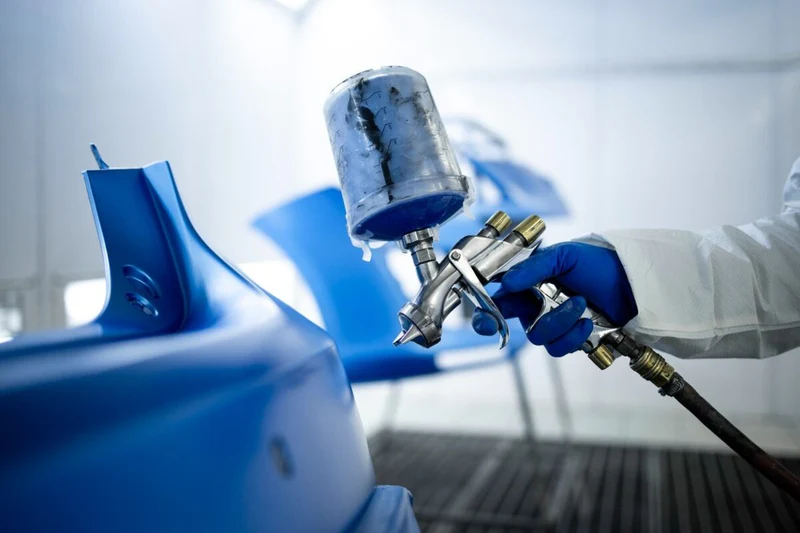
If you’re planning to paint your car, one of the first questions that comes up is: Can you use a regular air compressor with an automotive spray gun? The short answer is yes, you can — but there are some important details to understand before you start spraying. Using the wrong setup can lead to uneven finishes, wasted paint, or even damage to your tools. Let’s explore how a regular air compressor can be used effectively for automotive painting and what to keep in mind for the best results.
Understanding How Automotive Spray Guns Work
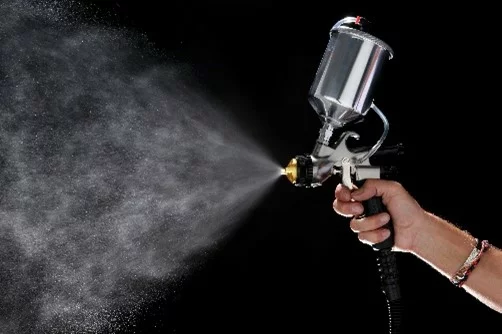
Automotive spray guns rely on compressed air to atomize the paint, breaking it into fine particles for a smooth and even coat. The quality of your paint finish depends heavily on the air pressure (PSI) and air volume (CFM) your compressor can deliver.
There are two main types of spray guns used in automotive painting:
- HVLP (High Volume, Low Pressure) – These guns use a high volume of air at low pressure, which reduces overspray and improves transfer efficiency.
- Conventional (High Pressure) – These older-style guns use less air volume but at higher pressure, which can lead to more overspray.
Can You Use a Regular Air Compressor?
Yes, you can use a regular air compressor for automotive spray painting, but only if it meets the air requirements of your spray gun. Most regular air compressors can handle small painting jobs like touch-ups or painting a single panel. However, painting an entire car may be more challenging.
The key specifications to check are:
- CFM (Cubic Feet per Minute): This measures air volume. Most automotive HVLP spray guns need between 8–15 CFM at 30–40 PSI.
- Tank Size: A small tank (under 20 gallons) may not store enough air to maintain consistent pressure. For full car paint jobs, aim for a 60-gallon or larger tank.
- Horsepower: Compressors with at least 3–5 HP can usually provide enough power for continuous spraying.
If your regular compressor doesn’t meet these specs, you’ll experience problems like pressure drops, inconsistent spray patterns, and uneven paint application.
Tips for Using a Regular Air Compressor with a Spray Gun
If you plan to use your existing compressor, here are a few practical tips to make it work efficiently:
- Check Compatibility – Always read the specifications of your spray gun. Match the required PSI and CFM with your compressor’s output.
- Add a Moisture Trap – Regular compressors can produce moisture in the air line, which can ruin your paint job. Installing a moisture separator or air dryer will prevent water from mixing with the paint.
- Use an Air Regulator – A regulator allows you to fine-tune air pressure directly at the gun for better control.
- Work in Sections – If your compressor has a smaller tank, paint one section at a time to give it time to recharge.
- Use Quality Hoses and Fittings – Narrow or leaky hoses can restrict airflow. Opt for 3/8-inch or larger hoses for better air delivery.
Advantages of Using Your Regular Compressor
Using your existing compressor can save you money since you won’t need to invest in a new setup. It’s ideal for DIY car painting, small repairs, or custom detailing work. With the right adjustments and accessories, you can achieve professional-quality finishes without spending extra on an automotive-grade compressor.
When You Might Need a Dedicated Automotive Compressor
For large projects like painting an entire car, or if you frequently work with spray guns, investing in a dedicated high-capacity compressor may be worth it. Automotive compressors are designed to maintain steady air pressure for long periods, ensuring a smooth, even coat across large surfaces. They also come with built-in air filtration systems to reduce moisture and contaminants.
Final Thoughts
So, can you use a regular air compressor with an automotive spray gun? Absolutely — if it meets the air requirements of your spray gun and you take the right precautions. For small-scale or DIY car paint jobs, a regular compressor can deliver excellent results with proper setup. However, for professional or large-scale projects, a high-capacity compressor designed for painting will make your job easier and ensure a flawless finish.
Whether you’re restoring an old classic or adding a fresh coat to your daily driver, understanding how your air compressor and spray gun work together is the key to achieving that showroom-quality shine.