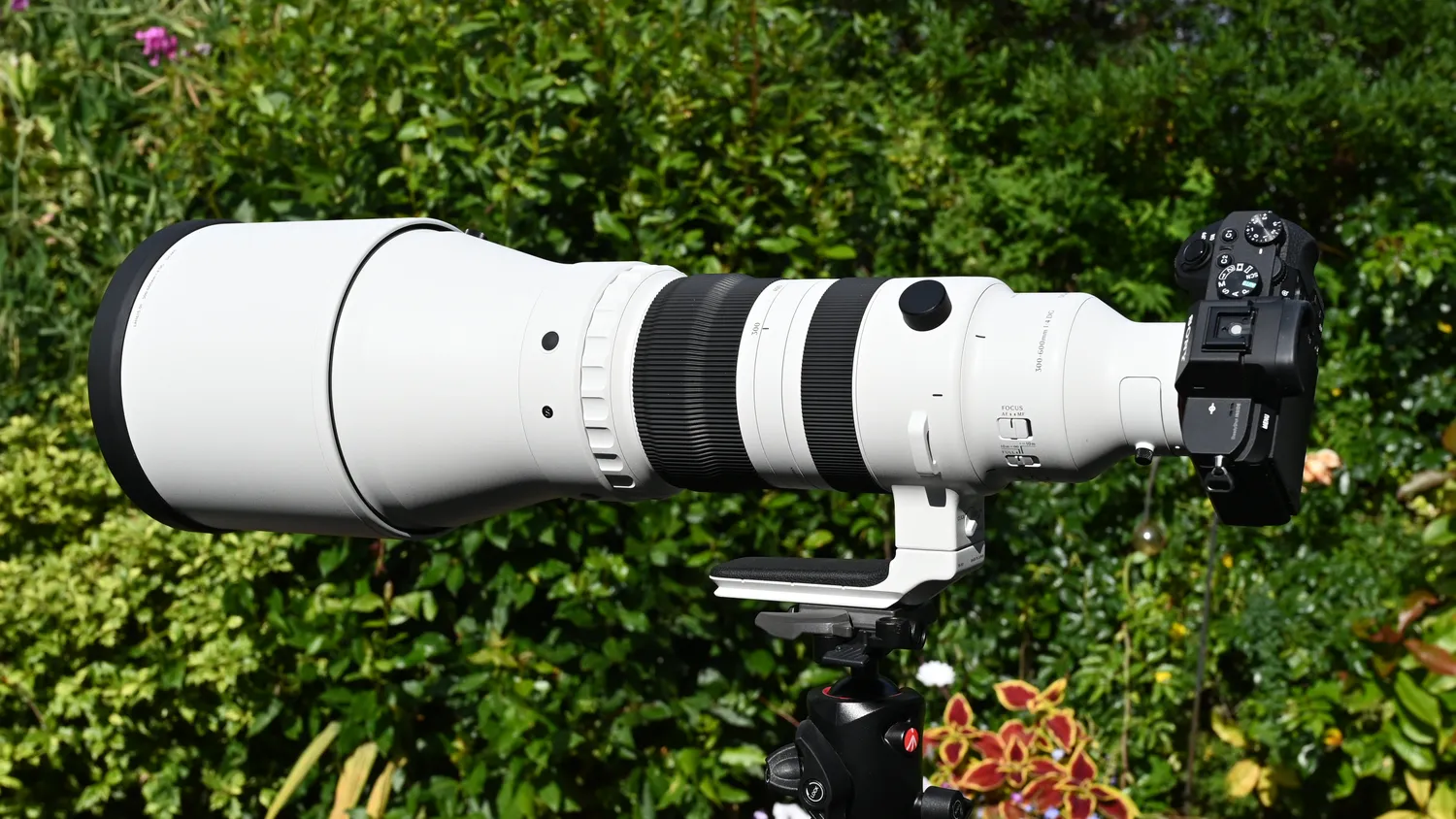
Capturing fast-moving subjects—whether it’s a football player sprinting down the field or a bird taking flight—demands not only timing and skill but also the right lens. Sports and wildlife photography are among the most challenging genres because they require speed, precision, and reach. Choosing the right lens can mean the difference between a blurry shot and a breathtaking moment frozen in time.
In this guide, we’ll explore how to select the perfect lens for sports or wildlife photography, discussing factors like focal length, aperture, autofocus, image stabilization, and build quality. We’ll also look at options from LK Samyang, a trusted name for professional lenses in Pakistan that combine optical quality with affordability.
Understanding the Demands of Sports and Wildlife Photography
Sports and wildlife photography share one core requirement: speed and distance. In both genres, the subject moves quickly, and the photographer often can’t get physically close. This means your lens must not only zoom in effectively but also focus fast and handle different lighting conditions.
In sports, you might shoot under bright stadium lights or in indoor arenas with limited illumination. In wildlife photography, lighting can change rapidly—morning fog, harsh sunlight, or shade under trees can all affect exposure. A good lens helps maintain performance and sharpness no matter the situation.
Focal Length – The First and Most Important Choice
When choosing a lens for fast-moving or distant subjects, focal length is your most crucial consideration. It determines how close you can get to your subject optically and how much of the scene fits into the frame.
For sports photography, lenses in the 70mm to 200mm range are popular for field events, while 300mm or more is ideal for capturing action from a distance. Wildlife photographers often rely on even longer lenses—400mm, 500mm, or 600mm—to photograph animals without disturbing them.
A telephoto zoom lens (such as a 100–400mm) offers flexibility to adjust framing as your subject moves closer or farther. However, a prime telephoto lens—with a fixed focal length—often delivers superior sharpness and low-light performance.
Aperture – Why Brightness Matters
A fast maximum aperture (a smaller f-number) is essential for freezing motion. Lenses with wide apertures like f/2.8 or f/4 allow more light into the camera, enabling faster shutter speeds that reduce motion blur.
For example, when photographing a sprinter or a bird in flight, you need a shutter speed of 1/1000 second or faster. A lens with a wider aperture helps achieve that speed even in less-than-ideal lighting.
Wide apertures also create a beautiful background blur (bokeh), helping the subject stand out sharply against a smooth, defocused background—an effect particularly admired in wildlife portraits.
To understand how lens aperture impacts depth of field and image quality, comparing options like the sony 35mm 1.8 price in pakistan can give insight into how aperture specifications affect both performance and cost.
Autofocus Speed and Accuracy
When you’re tracking a fast-moving subject, the speed and accuracy of autofocus (AF) can make or break a shot.
Modern sports and wildlife lenses come equipped with advanced AF systems that use high-speed motors for silent and precise focusing. Look for terms like “AF motor”, “Dual Linear Motor”, or “STM (Stepping Motor)”, as these typically indicate smooth and responsive focus mechanisms ideal for action.
In wildlife photography, autofocus tracking is especially valuable when animals move unpredictably. Samyang’s AF series lenses, known for quick and reliable performance, are excellent options for photographers who shoot dynamic scenes.
Image Stabilization – Reducing Motion Blur
Even with the best autofocus, camera shake is inevitable—especially when using long telephoto lenses. Optical Image Stabilization (OIS) compensates for minor movements, ensuring sharper images even at slower shutter speeds.
For sports and wildlife, stabilization is essential because these lenses are often used handheld or in windy environments. OIS helps reduce motion blur from camera shake, making it possible to shoot sharper photos at slower shutter speeds or lower ISO levels.
Some camera systems also feature in-body stabilization (IBIS), which works alongside lens-based stabilization for even better results.
Build Quality and Weather Resistance
Outdoor photography exposes your gear to unpredictable conditions—dust, humidity, rain, and heat. Therefore, your lens should have a robust build and weather sealing to protect against environmental elements.
Professional-grade lenses often feature metal mounts, sealed rings, and durable coatings on lens elements to repel moisture and dust. These features ensure long-term reliability, especially for wildlife photographers who spend hours in rugged locations.
LK Samyang lenses are well-regarded for their solid construction and resistance to harsh environments, making them a dependable choice for both amateur and professional photographers in Pakistan.
Prime vs. Zoom Lenses for Sports and Wildlife
Choosing between a prime and zoom lens comes down to personal style and shooting needs.
A prime telephoto lens (like 300mm f/2.8 or 400mm f/4) offers exceptional sharpness, wide apertures, and professional-grade optical performance. However, it limits flexibility—you can’t zoom in or out, so framing requires repositioning.
A telephoto zoom lens (like 100–400mm or 70–200mm) provides more versatility for capturing varying distances without changing lenses. While slightly heavier and sometimes less sharp than primes, they are ideal for unpredictable action or wildlife movement.
Beginners may prefer zoom lenses for flexibility, while professionals often choose primes for speed, precision, and image quality.
Weight and Handling Considerations
Long telephoto lenses tend to be heavy, which affects mobility and endurance during long shoots. Sports photographers working from fixed positions might use tripods or monopods, while wildlife shooters may prefer handheld setups for quick reaction times.
When choosing a lens, consider its weight balance with your camera body. A lens that feels front-heavy can cause fatigue, especially during extended use.
Samyang’s lightweight autofocus lenses, designed with portability in mind, provide a great balance between performance and comfort—ideal for photographers who travel frequently or shoot outdoors for long hours.
Choosing the Right Lens Based on Subject Distance
Sports and wildlife photographers deal with different shooting distances depending on their environment:
- Close-range action: For indoor sports or sidelines shooting, a 70–200mm f/2.8 lens is versatile.
- Mid-range action: Field events, motorsports, and safaris often require 100–400mm zoom lenses.
- Long-distance subjects: Bird photography or distant wildlife benefits from super-telephoto lenses (500mm–600mm).
Understanding your shooting distance helps you select the ideal focal length to achieve both clarity and subject isolation.
Lens Budget and Value for Money
Lens prices vary widely based on brand, aperture, and focal length. Professional telephoto lenses can be expensive, but many third-party manufacturers offer competitive options that balance cost and quality.
For photographers in Pakistan, LK Samyang provides access to premium optical technology at more attainable prices. Their lineup includes autofocus telephoto lenses that deliver high resolution, excellent sharpness, and reliable performance suitable for sports and wildlife applications.
Exploring the available lenses in Pakistan can help you find an option that fits both your creative and financial goals.
Practical Tips for Sports and Wildlife Shooters
While the right lens makes a big difference, technique also plays a vital role:
- Use fast shutter speeds (1/1000 or higher) to freeze motion.
- Pre-focus on areas where action is likely to occur.
- Shoot in burst mode to increase your chances of capturing decisive moments.
- Track movement smoothly with continuous autofocus (AF-C mode).
These practices, combined with a quality telephoto lens, will dramatically improve your success rate in dynamic environments.
LK Samyang – Powering Performance Photography in Pakistan
LK Samyang has become a go-to brand for photographers seeking quality and affordability. Their lineup of autofocus and manual-focus lenses is engineered to meet professional standards while remaining accessible to enthusiasts.
Whether you’re shooting the energy of a sports event or the serenity of wildlife in its natural habitat, Samyang lenses provide the clarity, speed, and reliability needed to deliver exceptional results.
For photographers seeking the perfect balance of performance and value, the collection of lenses in Pakistan from LK Samyang offers a wide range of options suited for every need and skill level.
Conclusion: The Lens That Captures the Moment
Selecting the best lens for sports or wildlife photography depends on how you shoot, your environment, and the type of action you want to capture. Long focal lengths, fast apertures, and quick autofocus are key features to prioritize.
While zoom lenses offer flexibility for newcomers, prime lenses reward professionals with superior sharpness and light performance. No matter your choice, investing in a quality lens ensures you can capture moments that are fast, fleeting, and full of life.
In Pakistan, photographers can explore reliable, high-performance options from LK Samyang—where innovation meets affordability—to bring their creative visions to life with clarity and precision.