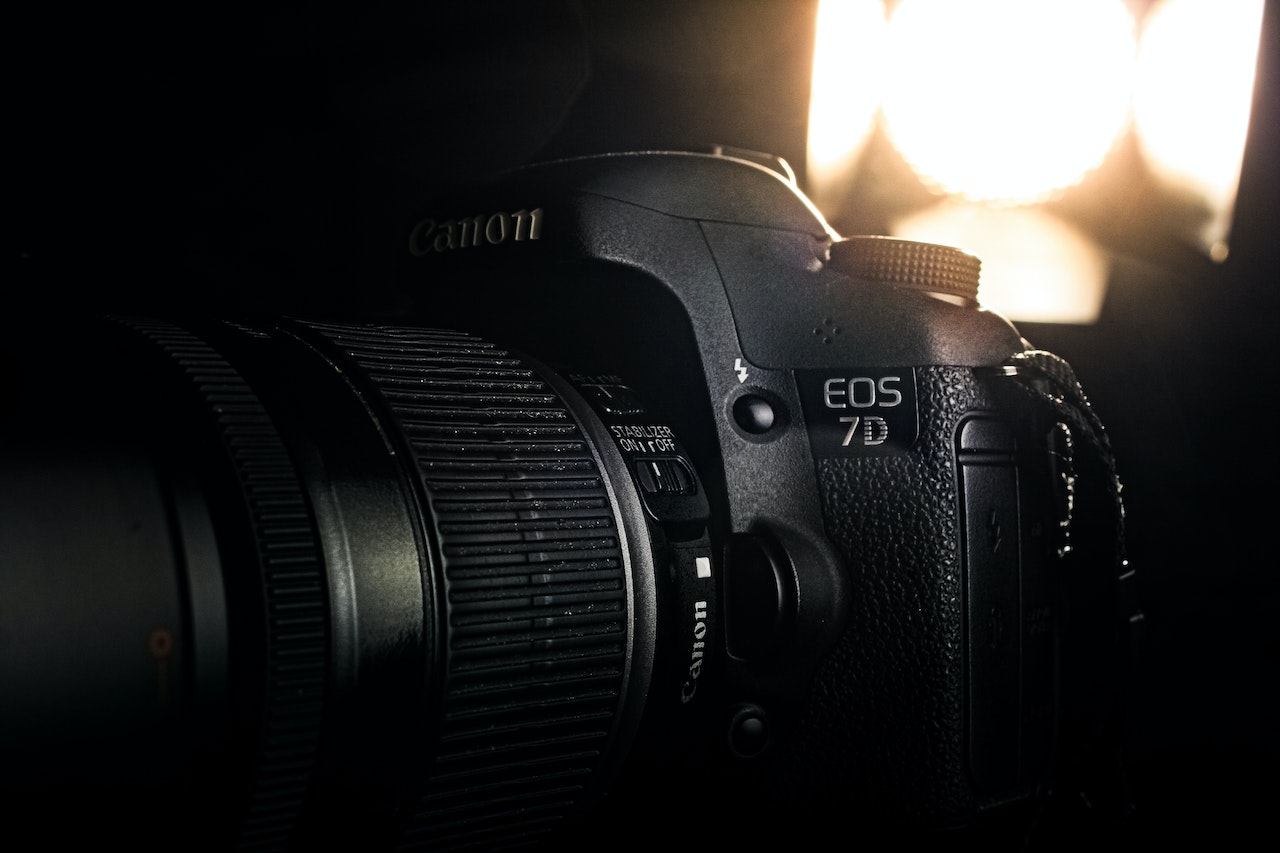
Why Choose a Zoom Lens?
Zoom lenses are prized for their adaptability and convenience. Here are some compelling reasons why photographers often opt for zoom lenses:
Versatility: Zoom lenses cover a broad range of focal lengths, from wide-angle to telephoto, in a single lens. This versatility eliminates the need to carry multiple lenses, making them perfect for travel and on-the-go photography.
Convenience: The ability to zoom in and out allows photographers to quickly adjust their composition and framing without changing lenses. This convenience is particularly useful when shooting fast-moving subjects or in rapidly changing environments.
Space and Weight Savings: Carrying a single zoom lens instead of multiple primes can save space and reduce the weight of your camera bag. This is advantageous for long hikes or extended photography sessions.
Cost-Efficiency: Investing in a high-quality zoom lens can be more cost-effective than purchasing several prime lenses to cover the same focal lengths.
Types of Zoom Lenses
Zoom lenses come in different varieties, each catering to specific photography styles and preferences. Here are the main types of zoom lenses:
Standard Zoom: Standard zoom lenses typically cover a range from wide-angle to short telephoto. They are versatile and suitable for everyday photography, making them a popular choice for enthusiasts.
Telephoto Zoom: Telephoto zoom lenses offer a more extended reach, making them ideal for wildlife, sports, and portrait photography. They allow you to capture distant subjects with detail.
Wide-Angle Zoom: Wide-angle zoom lenses excel at capturing expansive landscapes and architecture. They are also popular for creative compositions, such as emphasizing foreground elements.
Superzoom or All-in-One: Superzoom lenses boast an extensive focal length range, often from ultra-wide to super-telephoto. While convenient, they may sacrifice some image quality compared to specialized zoom lenses.
Factors to Consider When Choosing a Zoom Lens
Selecting the right zoom lens for your photography requires careful consideration of various factors:
Focal Length Range: Determine the focal length range that suits your photography style. Consider whether you need a lens for wide-angle, standard, or telephoto shooting.
Aperture: The lens's maximum aperture impacts low-light performance and depth of field control. Lenses with wider apertures (e.g., f/2.8) are excellent for low light and achieving a shallow depth of field.
Image Stabilization: Some zoom lenses come with built-in image stabilization, which can be crucial for handheld shooting, especially at longer focal lengths.
Size and Weight: Consider the size and weight of the lens, particularly if you plan to carry it for extended periods or travel extensively.
Budget: Determine your budget and seek a lens that offers the best balance of features and quality within that range.
Zoom lenses are invaluable tools for photographers, offering adaptability, convenience, and cost-efficiency. By understanding the types of zoom lenses available and considering factors like focal length range, aperture, image stabilization, size, weight, and budget, you can make an informed choice that aligns with your photography style and goals. Whether you're capturing landscapes, wildlife, portraits, or everyday moments, the right zoom lens can elevate your photography to new heights.