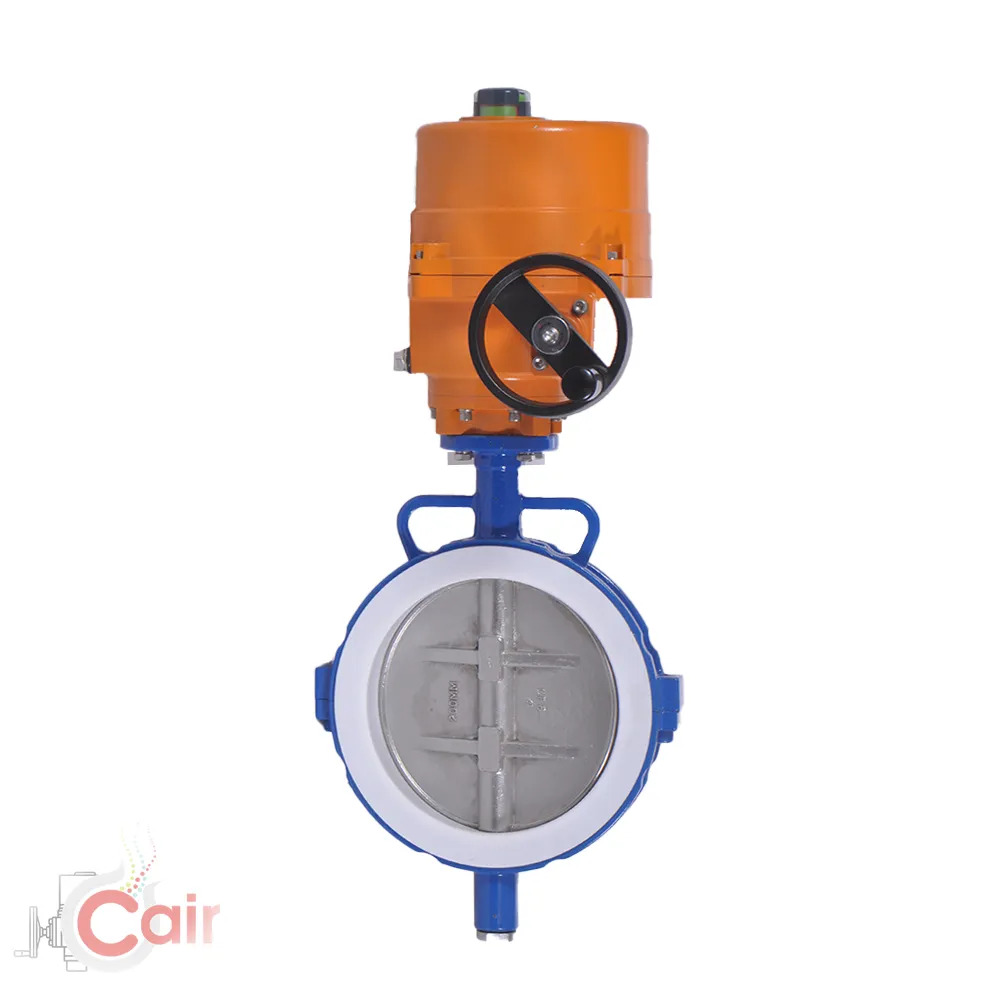
Butterfly valves are essential components in various industrial systems, offering reliable flow control in pipelines. They are particularly useful in applications where space and weight constraints exist. When paired with electric actuators, butterfly valves take system performance to new heights by improving operational efficiency, reliability, and automation. In this article, we will explore how butterfly valves with electric actuators enhance system efficiency, making them a preferred choice in a wide range of industries.
What Are Butterfly Valves?
A butterfly valve is a type of quarter-turn valve used to regulate or isolate the flow of a fluid in a pipe. The valve consists of a disc that rotates to either open or close the valve, and a stem that connects the disc to the actuator. Butterfly valves are favored for their lightweight design, compact size, and cost-effectiveness. They can be used for both large and small pipe diameters, making them versatile in numerous industries, including water treatment, chemical processing, HVAC, and oil and gas.
The Role of Electric Actuators in Butterfly Valves
An electric actuator is a mechanical device that uses electric energy to provide motion to the butterfly valve. Electric actuators are responsible for opening and closing the valve by turning the valve’s shaft in response to an electrical signal. This allows for precise control of the valve's position and, in turn, the flow of the fluid within the pipe.
Electric actuators are increasingly preferred over manual or pneumatic actuators due to their higher precision, reduced maintenance needs, and ease of integration into automated control systems. The combination of a butterfly valve and an electric actuator significantly enhances system performance by allowing for better flow control, faster response times, and improved overall system efficiency.
Key Benefits of Butterfly Valves with Electric Actuators
- Precise Flow Control
One of the most significant advantages of butterfly valves with electric actuators is the precise control they provide over fluid flow. Electric actuators allow for accurate positioning of the valve, which is essential in processes requiring tight control of flow rates. This level of precision helps maintain optimal system conditions and ensures that the fluid flow remains stable, contributing to more efficient system performance.
- Energy Efficiency
Electric actuators offer substantial energy savings when compared to pneumatic actuators. Pneumatic actuators rely on compressed air, which can be costly to produce and maintain. In contrast, electric actuators use electrical power, which is more energy-efficient and cost-effective over time. With lower energy consumption, electric actuators can improve the overall energy efficiency of the system, reducing operational costs.
- Automation Integration
Electric actuators can be easily integrated into automated control systems, allowing for remote operation and monitoring. This integration simplifies system operations, making it possible to control multiple valves from a central location. The automation of valve operations minimizes the need for manual intervention, reducing human error and enhancing the reliability of the system. Furthermore, it improves the responsiveness of the system by allowing for faster adjustments to changes in system conditions.
- Reduced Maintenance
Electric actuators are known for their low maintenance requirements. Unlike pneumatic actuators, which need regular maintenance to check air lines, filters, and seals, electric actuators require less upkeep. Their robust construction and fewer moving parts result in fewer breakdowns and reduced downtime. This leads to enhanced system reliability, reducing the frequency of repairs and ensuring that the system operates smoothly for longer periods.
- Increased Safety
Butterfly valves with electric actuators improve safety by offering precise control over hazardous fluids and gases. The actuator can be set to respond to specific pressure or flow parameters, ensuring that the valve opens or closes within safe limits. This is especially important in industries such as chemical processing and oil and gas, where improper flow control could result in dangerous situations. Electric actuators can also be equipped with safety features like overload protection and fail-safe modes to further enhance system safety.
- Compact Design and Space Efficiency
Electric actuators are generally more compact than their pneumatic counterparts. This compactness is especially beneficial in space-constrained applications where a large actuator may not be feasible. The combined compact design of the butterfly valve and electric actuator makes this system ideal for installations where space is limited, such as in smaller industrial plants or offshore platforms.
- Quick and Reliable Operation
Electric actuators offer quicker response times compared to manual or pneumatic systems. They can open or close the valve in a matter of seconds, improving the overall speed of the system. This quick operation is particularly beneficial in processes that require rapid adjustments, such as in cooling systems or wastewater treatment, where prompt changes in flow are necessary to maintain system balance.
Applications of Butterfly Valves with Electric Actuators
Butterfly valves with electric actuators are used in a wide variety of industries, including:
- Water and Wastewater Treatment: These valves are used to control the flow of water and chemicals in treatment plants. Their efficiency and precision are crucial for maintaining the proper flow rates and pressures required in these systems.
- Oil and Gas: Butterfly valves with electric actuators are used in pipelines for fluid regulation and isolation. They are ideal for environments that require quick responses to changing conditions.
- HVAC Systems: In heating, ventilation, and air conditioning systems, these valves help control airflow and temperature. Electric actuators allow for precise adjustments, improving energy efficiency and system performance.
- Chemical and Pharmaceutical Industries: Butterfly valves are used to handle various fluids, including acids, chemicals, and gases. Electric actuators ensure that the flow is controlled with precision, which is critical in these industries for safety and consistency.
Conclusion
The Butterfly valve with electric actuator is a powerful combination that improves system efficiency across various industrial applications. By offering precise flow control, reducing energy consumption, integrating seamlessly with automation systems, and requiring less maintenance, these valves play a pivotal role in enhancing the reliability and performance of fluid control systems. Whether in water treatment, oil and gas, HVAC, or chemical processing, the use of electric actuators in butterfly valves ensures that systems operate at peak efficiency, contributing to cost savings, improved safety, and better overall productivity.