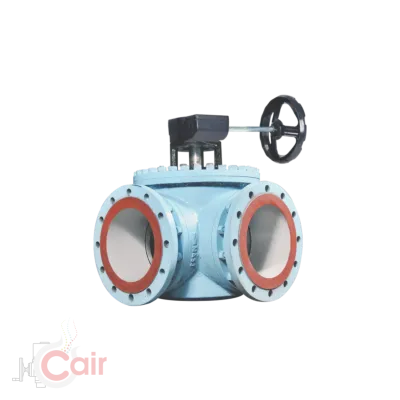
Ball valves are an essential component in a wide range of applications, both in residential plumbing systems and industrial operations. Known for their efficiency, reliability, and simple design, ball valves have become a preferred choice for controlling the flow of liquids and gases in many settings. This article will explore the role of ball valves in plumbing and industrial applications, highlighting their advantages, functionality, and why they are so widely used.
What Is a Ball Valve?
A ball valve is a type of valve that uses a hollow, perforated, and pivoting ball to control the flow of fluids. The ball rotates within the valve body to either allow or stop the flow. When the valve is open, the hole in the ball aligns with the flow path, permitting fluid to pass through. When the valve is closed, the ball rotates 90 degrees to block the flow, effectively stopping the passage of liquids or gases.
Ball valves are often used for on/off control and are highly favored for their ability to provide a tight seal, ensuring minimal leakage. This makes them ideal for applications that require reliability, simplicity, and durability.
The Role of Ball Valves in Plumbing
In residential and commercial plumbing systems, ball valves are critical components used to control the flow of water, gas, and other fluids. They serve several important functions, including:
- Water Supply Control: Ball valves are commonly installed in the main water supply lines to control the flow of water into a building. This allows homeowners or property managers to quickly shut off the water supply in case of emergencies, such as leaks or plumbing repairs.
- Shut-Off Valves for Fixtures: Ball valves are also installed near plumbing fixtures, such as faucets, toilets, and dishwashers, to control the water flow. These valves allow users to easily turn off the water supply to individual fixtures when necessary.
- Water Distribution: In more complex plumbing systems, such as those found in multi-story buildings or large residential complexes, ball valves are used to regulate water distribution. They help direct the flow of water to different parts of the building, ensuring balanced pressure and efficient operation.
- Gas Supply Control: Ball valves are also essential in plumbing systems that handle gas, such as natural gas or propane. They are often used in gas lines to safely control the flow of gas into appliances like stoves, water heaters, and furnaces.
The Role of Ball Valves in Industrial Applications
Ball valves are not only crucial in plumbing but also play a significant role in various industrial applications. Their versatility and performance make them ideal for regulating the flow of fluids in many industrial systems. Here are some common industrial uses for ball valves:
- Oil and Gas Industry: Ball valves are widely used in the oil and gas industry for the safe and efficient transportation of crude oil, natural gas, and other petroleum products. These valves are designed to handle high pressures and temperatures, making them suitable for upstream, midstream, and downstream operations. They provide reliable shut-off, flow control, and isolation in pipelines, preventing leaks and ensuring safe operations.
- Chemical Processing: In chemical plants, ball valves are used to control the flow of chemicals, acids, solvents, and gases. Their precise flow control capabilities and resistance to corrosion make them ideal for handling aggressive fluids in harsh environments. Ball valves help maintain the safety and efficiency of chemical processing systems, preventing leaks and contamination.
- Water Treatment Plants: Ball valves are frequently used in water treatment facilities to regulate the flow of water through filtration, pumping, and distribution systems. Whether in municipal water treatment plants or industrial wastewater treatment plants, ball valves ensure smooth and consistent flow, helping to maintain system integrity and reduce maintenance costs.
- Food and Beverage Industry: In the food and beverage industry, ball valves are used to regulate the flow of ingredients, liquids, and gases in processing plants. Their hygienic design, ease of cleaning, and ability to prevent contamination make them indispensable in food production systems. Ball valves ensure that the right amount of material flows through the system, enhancing product quality and production efficiency.
- Pharmaceutical Manufacturing: In pharmaceutical plants, ball valves are critical for controlling the flow of sterile liquids, gases, and active ingredients. They help ensure the production of high-quality pharmaceuticals by maintaining precise flow rates and preventing contamination. Their reliability and cleanliness are vital in maintaining strict health and safety standards.
- HVAC Systems: In heating, ventilation, and air conditioning (HVAC) systems, ball valves are used to regulate the flow of coolant, water, and air. Their ability to provide tight shut-offs and control the flow rate makes them ideal for maintaining temperature and pressure control in HVAC systems, ensuring optimal performance and energy efficiency.
Advantages of Ball Valves
Ball valves offer several key advantages, which explain their widespread use in both plumbing and industrial applications:
- Durability: Ball valves are known for their long service life. Made from strong materials like stainless steel, brass, and bronze, they can withstand harsh conditions such as high pressure, temperature extremes, and corrosive environments.
- Leak-Proof Design: One of the most important features of a ball valve is its ability to create a tight seal. The ball's design ensures that there is minimal leakage, which is crucial in both residential and industrial applications where safety and reliability are paramount.
- Ease of Operation: Ball valves are incredibly easy to operate. A simple 90-degree turn is all that is needed to open or close the valve, making them user-friendly in both residential plumbing systems and complex industrial environments.
- Versatility: Ball valves are available in various sizes and configurations, making them suitable for a wide range of applications. Whether for small-scale plumbing systems or large industrial pipelines, ball valves can handle various fluids and flow rates.
Ball Valve Manufacturer in India
India is home to several ball valve manufacturers who play a significant role in supplying high-quality valves to the domestic and international markets. These manufacturers adhere to stringent quality standards and employ advanced technologies to produce reliable ball valves that meet the specific needs of their customers. With a growing demand for industrial valves in sectors such as oil and gas, water treatment, and chemicals, the ball valve manufacturer in India continues to be a major player in the global market.
Conclusion
Ball valves are essential components in plumbing and industrial applications, offering reliable flow control, durability, and ease of use. Whether used in residential plumbing systems to regulate water and gas flow or in industrial plants to manage chemicals, oils, and other fluids, ball valves are designed to meet the demands of a wide range of industries. As the demand for high-quality valves grows, the role of ball valve manufacturers in India continues to expand, ensuring the continued supply of top-notch valves that keep critical systems running smoothly.