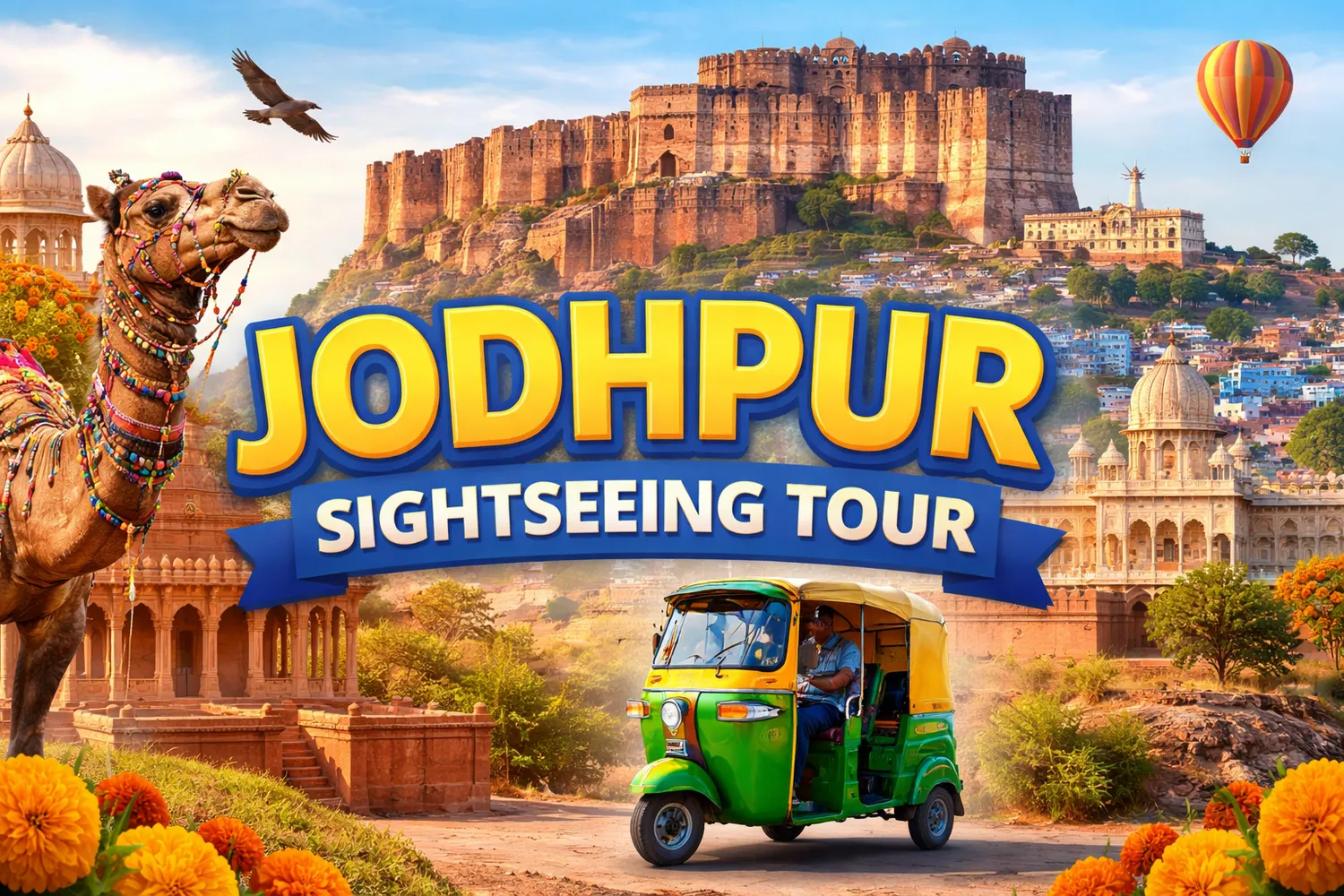
Jodhpur, the second-largest city in Rajasthan, is a mesmerizing blend of regal history, azure architecture, and vibrant desert culture. Known globally as the "Blue City" due to the sea of indigo-colored houses in its old quarter, it serves as a gateway to the Thar Desert. Founded in 1459 by Rao Jodha, the chief of the Rathore clan, Jodhpur was the capital of the Marwar kingdom. Today, it remains a top destination for travelers seeking to immerse themselves in India’s princely past.
The Majestic History of the Sun City
The history of Jodhpur is inseparable from the Rathore Rajputs, who moved their capital from nearby Mandore to this strategically located hilltop for better security. Over the centuries, the city flourished as a trade hub for opium, silk, and copper. While it faced various conflicts with the Mughals and Marathas, the rulers of Jodhpur maintained a degree of autonomy through strategic alliances.
The architectural transition of the city reflects these influences, blending traditional Rajput styles with Mughal aesthetics and, later, British Art Deco. This rich heritage is still visible in every corner of the city, from the sturdy ramparts of the fort to the delicate carvings of the royal cenotaphs.
Iconic Landmarks You Must Visit
No trip to the Blue City is complete without visiting the Mehrangarh Fort. Rising 400 feet above the skyline, this massive citadel houses some of the most beautiful palaces in India, including the Moti Mahal (Pearl Palace) and Phool Mahal (Flower Palace). The fort's museum preserves an incredible collection of royal palanquins, armory, and paintings.
Just a short distance from the fort lies Jaswant Thada, an exquisite white marble memorial often called the "Taj Mahal of Marwar." Built in 1899, its intricate lattice screens glow beautifully in the afternoon sun. For a taste of modern royalty, the Umaid Bhawan Palace is a must-see. Completed in 1943, it is one of the world’s largest private residences, with a portion serving as a museum that showcases the history of the 20th-century royal family.
Exploring the Blue City and Local Markets
The heart of Jodhpur lies in the labyrinthine streets of the old city. Walking through these blue-painted alleys offers a sensory explosion of sights and sounds. The indigo hue was traditionally used to keep houses cool and deter insects, but today it has become the city's iconic signature.
At the center of the old town stands the Ghanta Ghar (Clock Tower), surrounded by the bustling Sardar Market. This is the best place to shop for authentic Rajasthani handicrafts, including hand-dyed textiles, silver jewelry, and the famous Jodhpuri mojris (leather shoes). While navigating these narrow lanes can be a challenge, utilizing a reliable jodhpur taxi service ensures you can reach the market area comfortably before exploring the footpaths at your own pace.
Best Time to Plan Your Visit
The ideal time to visit Jodhpur is during the winter months, from October to March. During this period, the weather is pleasant with daytime temperatures ranging between 10°C and 25°C, making it perfect for outdoor sightseeing. This season also hosts vibrant cultural events like the Rajasthan International Folk Festival (RIFF) in October and the World Sacred Spirit Festival in February.
Summers (April to June) are extremely hot, with temperatures often exceeding 40°C, which can make midday exploration difficult. The monsoon season (July to September) brings some relief and turns the desert landscape surprisingly green, offering a unique perspective for those who don't mind the humidity.
Essential Travel Tips for Jodhpur
To make the most of your journey, consider these practical tips:
- Stay in the Old City: Booking a heritage haveli near the Stepwell (Toorji Ka Jhalra) provides an authentic experience with stunning views of the fort.
- Sample Local Cuisine: Do not leave without trying Pyaaz Kachori, Mirchi Bada, and the famous Makhaniya Lassi at Mishrilal Hotel.
- Dress Appropriately: While Jodhpur is tourist-friendly, it is a traditional city. Wearing modest clothing that covers shoulders and knees is recommended, especially when visiting temples.
- Hydration is Key: Even in winter, the desert sun can be dehydrating. Always carry a water bottle during your tours.
For those planning a comprehensive itinerary, arranging a jodhpur sightseeing tour is the most efficient way to cover distant spots like the Mandore Gardens or the Bishnoi Village. Mandore, the former capital, features beautiful high-rock terraces and cenotaphs that are often missed by travelers on a tight schedule.
Transportation and Getting Around
Navigating Jodhpur involves a mix of walking and vehicular transport. The old city is best explored on foot or by auto-rickshaw due to its narrow, winding lanes. However, for visiting major monuments like Umaid Bhawan Palace or taking day trips to the desert, hiring a car is much more convenient.
Cab Taxi Service Jodhpur provides a variety of well-maintained vehicles with experienced drivers who know the city’s shortcuts and history. Using a professional service saves you from the hassle of negotiating fares with local rickshaws and allows you to travel in air-conditioned comfort, which is a blessing after a long walk through the sun-drenched fort.
Conclusion
Jodhpur is a city that rewards the curious traveler. Whether you are standing atop the ramparts of Mehrangarh looking out over a sea of blue or haggling for spices in a centuries-old market, the city offers an unforgettable glimpse into the soul of Rajasthan. By combining historical exploration with modern comforts and reliable local transport, your discovery of Jodhpur will undoubtedly be the highlight of your Indian adventure.