In modern fluid handling systems, butterfly valves have emerged as one of the most efficient and cost-effective solutions for regulating and isolating flow. Their compact design, quick operation, and versatility make them a preferred choice across numerous industries, including water treatment, oil & gas, chemical processing, pharmaceuticals, and food manufacturing.
Understanding Butterfly Valves
A butterfly valve is a quarter-turn rotational motion valve that is used to stop, regulate, or start flow. It consists of a circular disc or vane that rotates with the valve stem to control fluid flow. When the valve is fully closed, the disc blocks the line; when it is fully open, the disc is at a right angle to the flow of gas or liquid.
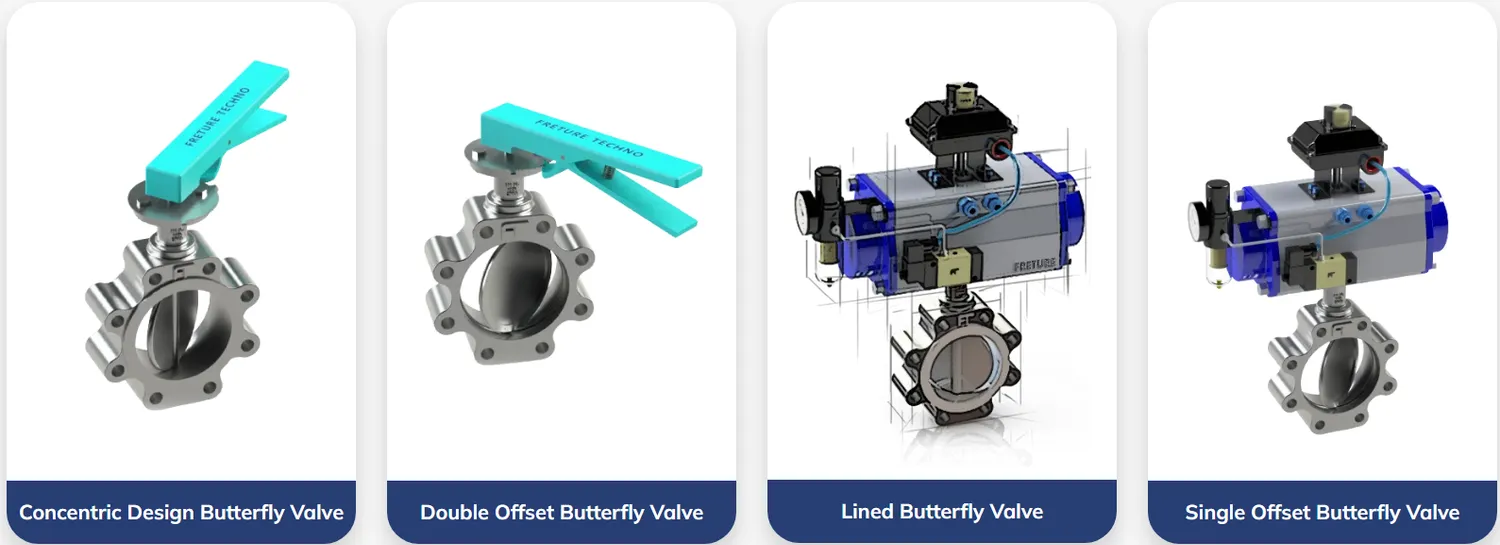
Types of Butterfly Valves
Butterfly valves come in various configurations to meet specific industrial needs:
- Wafer Type Butterfly Valve: Designed for tight shut-off between flanges, this type is lightweight and economical.
- Lug Type Butterfly Valve: Features threaded inserts on both sides, enabling disconnection of one side of the piping system without affecting the other.
- Double Flanged Butterfly Valve: Offers high strength and durability for high-pressure applications.
- Triple Offset Butterfly Valve: Designed for zero leakage performance, typically used in high-temperature or high-pressure environments.
Materials of Construction
Material selection for butterfly valves is critical to ensure durability and compatibility with the medium. Common materials include:
- Cast Iron & Ductile Iron: Suitable for water and mild industrial applications.
- Stainless Steel: Ideal for corrosive environments such as chemical and pharmaceutical processing.
- PVC and CPVC: Lightweight, corrosion-resistant options for low-pressure and non-critical applications.
- Bronze and Aluminium Bronze: Used in marine and offshore systems for saltwater resistance.
Size, Pressure & Temperature Ratings
Butterfly valves are manufactured in a wide range of sizes, typically from 2 inches to 48 inches or more. Pressure ratings vary based on design and material, commonly ranging from 150 psi to 600 psi. Temperature resistance also depends on the construction; metal-seated butterfly valves can withstand temperatures exceeding 500°C, while resilient-seated versions are limited to around 120°C.
Working Principle and Flow Control Efficiency
The flow control is achieved by rotating the disc, which can be positioned anywhere between fully open and fully closed. This design offers excellent throttling capabilities and minimal pressure drop. Triple offset designs further enhance performance by eliminating friction between the disc and seat during operation, thus improving sealing and operational life.
Key Industrial Applications
Butterfly valves are employed in a variety of sectors:
- Water Treatment Plants: Used for flow regulation in pipelines, reservoirs, and treatment units.
- Oil & Gas Industry: Suitable for offshore platforms, refineries, and gas pipelines.
- Chemical Processing: Stainless steel and PTFE-lined butterfly valves are ideal for corrosive media.
- HVAC Systems: Utilized for regulating chilled and hot water flow.
- Pharmaceutical and Food Processing: Sanitary-grade butterfly valves meet strict hygiene standards.
Benefits Over Other Valve Types
Compared to gate or globe valves, butterfly valves offer:
- Compact Design: Requires less space for installation and operation.
- Lower Weight: Reduces structural load and transportation costs.
- Quick Operation: 90-degree rotation for full open or close position.
- Cost Efficiency: Fewer components and easier maintenance.
- Versatility: Can handle a wide range of fluids and operating conditions.
Design Standards and Certifications
To ensure reliability and safety, industrial butterfly valves are designed and tested in accordance with international standards, including:
- API 609 – Butterfly Valves: Double-flanged, lug- and wafer-type.
- ISO 5752 – Face-to-face dimensions.
- ASME B16.34 – Valves-Flanged, Threaded and Welding End.
- EN 593 – Industrial valves – Metallic butterfly valves.
Common Issues and Maintenance Best Practices
Despite their advantages, butterfly valves can face operational challenges such as leakage, disc warping, and actuator failure. To extend service life:
- Select the right valve based on media compatibility and pressure-temperature ratings.
- Ensure proper alignment during installation to prevent seal damage.
- Conduct periodic inspections for seal integrity, actuator response, and corrosion.
- Lubricate moving parts as required and replace worn components promptly.
Choosing the Right Manufacturer
When selecting a butterfly valve for critical applications, partnering with a reliable manufacturer is crucial. Look for suppliers with:
- Proven engineering expertise
- Advanced manufacturing facilities
- Compliance with ISO and API standards
- Strong after-sales support and customization capabilities
Freture Techno Pvt. Ltd. – Your Trusted Butterfly Valve Manufacturer in India
For industries seeking high-performance Butterfly valves, Freture Techno Pvt. Ltd. offers a comprehensive range of solutions tailored to diverse industrial needs. As a leading Butterfly valve manufacturer in Mumbai, India, Freture Techno delivers precision-engineered valves designed for durability, efficiency, and safety. Whether you're managing a water treatment plant or a complex chemical process, trust Freture Techno for valves that meet the highest performance standards.