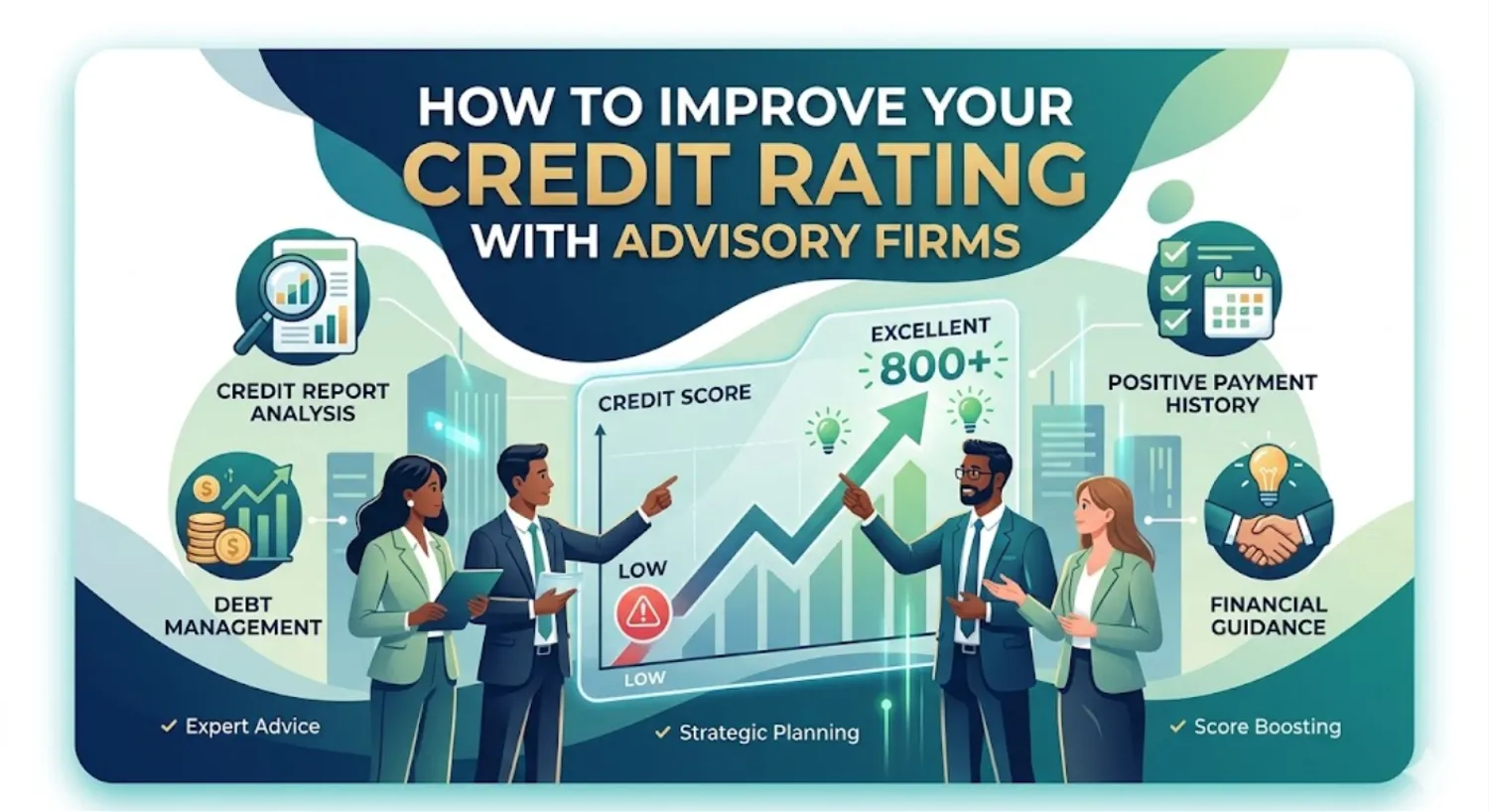
Navigating the complexities of credit scores can feel like deciphering a secret code. While many individuals attempt to manage their financial health solo, the landscape of lending has become increasingly nuanced. This is where a credit rating advisor becomes an invaluable asset.
In this guide, we will explore how professional credit rating advisory services work and how you can leverage their expertise to elevate your financial standing.
Understanding the Role of a Credit Rating Advisor
A credit rating advisor is a professional consultant who specializes in analyzing credit reports and identifying the specific factors dragging down a score. Unlike a generic "credit repair" company, which may focus solely on disputing late payments, a reputable advisor takes a holistic view of your financial profile.
They provide a roadmap for improvement by analyzing:
- Payment History: Ensuring every "on-time" payment is working in your favor.
- Credit Utilization: Calculating the ideal balance-to-limit ratio for your specific accounts.
- Credit Mix: Evaluating if you have the right blend of revolving and installment credit.
- Hard Inquiries: Managing the frequency of new credit applications to prevent "point bleeding."
Step 1: In-Depth Diagnostic Analysis
The first step in any professional credit rating advisory process is a deep dive into your current reports from major bureaus. An advisor doesn't just look at the three-digit number; they look at the underlying data.
Often, credit reports contain clerical errors, outdated information, or even "fragmented files" where your data is mixed with someone else’s. An advisor will pinpoint these discrepancies and guide you through the formal dispute process, ensuring that the information reported to lenders is 100% accurate.
Step 2: Strategic Debt Structuring
Improving a credit rating isn't always about paying off debt; it’s about how you pay it off. A credit rating advisor can help you implement strategies that maximize score gains.
For example, if you have $5,000 to put toward debt, should you pay off one small credit card entirely or spread the payment across three cards to lower the utilization rate on each? An advisor uses specialized software to simulate these scenarios, providing you with a data-driven plan rather than a best guess.
Step 3: Optimizing Credit Utilization
Credit utilization accounts for roughly 30% of your score. The general rule of thumb is to keep utilization below 30%, but top-tier "prime" scorers often keep theirs below 10%.
A credit rating advisory firm can help you negotiate credit limit increases without triggering hard inquiries or advise you on the timing of your payments. Since credit card issuers report to bureaus on different dates (often the "statement closing date"), an advisor can help you time your payments so that your reported balance is always at its lowest.
The Benefits of Professional Guidance
While you can manage your credit independently, a credit rating advisor offers several distinct advantages:
- Speed: Advisors know the most efficient paths to score jumps, often achieving in months what might take a consumer years of trial and error.
- Expertise: They understand the nuances of the FICO and VantageScore algorithms, which are updated frequently.
- Stress Reduction: Managing disputes with creditors and bureaus can be a bureaucratic nightmare. Having a professional handle the logistics allows you to focus on your financial goals.
Note: Be wary of firms that promise "overnight" success or ask for large upfront fees before performing any work. Ethical credit rating advisory is a process of optimization and education, not a "magic trick."
Maintaining Long-Term Growth
The ultimate goal of working with a credit rating advisor is to develop habits that sustain a high score for life. This includes setting up automated payment systems, monitoring your credit weekly, and understanding the long-term impact of opening or closing accounts.
By following a structured advisory plan, you aren't just "fixing" a number; you are building a foundation of financial credibility that will save you thousands of dollars in interest rates over your lifetime.
Conclusion
Improving your credit rating is a marathon, not a sprint. However, with the right credit rating advisor, you can ensure you are running in the right direction. By focusing on data accuracy, strategic utilization, and expert-led dispute resolution, credit rating advisory services provide the clarity and momentum needed to unlock better interest rates, higher loan approvals, and greater financial freedom.