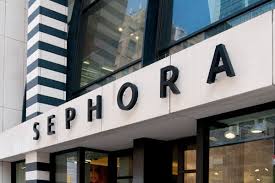
In the fast-paced world of retail, first impressions are everything. Retail signage plays a crucial role in capturing customers' attention, conveying essential information, and ultimately influencing purchasing decisions. From bold exterior signs that draw people into the store to strategically placed in-store signs that guide shoppers and highlight key products, retail signage is an integral part of the customer experience.
The Importance of Retail Signage
- Attracting Customers: The primary function of retail signage is to attract potential customers. Eye-catching signs with compelling graphics and clear messaging can lure passersby into the store. For example, window displays often use signage to showcase promotions or new arrivals, enticing shoppers to explore further.
- Communicating Information: Once inside, customers rely on signage to navigate the store. Directional signs help shoppers find their way, while product labels and pricing signs provide crucial details that aid in decision-making. Effective signage reduces confusion, making the shopping experience smoother and more enjoyable.
- Enhancing Brand Identity: Retail signage is also a powerful tool for reinforcing brand identity. Consistent use of colors, fonts, and logos across all signage helps create a cohesive brand image. This not only strengthens brand recognition but also builds trust with customers, as they associate the visual elements with the quality and reliability of the products.
- Promoting Sales and Offers: Well-designed promotional signage can significantly boost sales by drawing attention to special offers, discounts, or new products. For instance, bright, bold signs that advertise a limited-time sale can create a sense of urgency, encouraging customers to make a purchase before the offer ends.
- Creating a Pleasant Shopping Environment: Beyond functionality, signage contributes to the overall ambiance of a retail space. Creative and aesthetically pleasing signs enhance the store's atmosphere, making it a more inviting place to shop. This can lead to longer browsing times and increased sales.
Types of Retail Signage
Retail signage comes in various forms, each serving a unique purpose. Some of the most common types include:
- Exterior Signage: These are the signs placed outside the store, such as storefront signs, window graphics, and A-frames. They are designed to attract attention from a distance and encourage people to enter the store.
- Interior Signage: Inside the store, signage includes directional signs, department labels, product information signs, and promotional signs. These help customers navigate the space and find what they need efficiently.
- Point-of-Purchase (POP) Displays: These signs are placed near the checkout area or in other high-traffic spots to promote impulse buys. POP displays often feature smaller, low-cost items that customers might add to their purchases on a whim.
- Digital Signage: With the rise of technology, digital signage has become increasingly popular. These dynamic displays can show a variety of content, from advertisements to interactive maps, and can be easily updated to reflect current promotions or events.
Best Practices for Effective Retail Signage
To maximize the impact of retail signage, it's essential to follow some best practices:
- Keep It Simple: Signage should be easy to read and understand at a glance. Use concise messaging and avoid cluttered designs.
- Prioritize Visibility: Ensure that signs are placed in locations where they are easily visible to customers. Consider sightlines, lighting, and the height at which signs are mounted.
- Use High-Quality Materials: Durable, high-quality materials not only look better but also last longer, providing a better return on investment.
- Stay On-Brand: Consistency in design elements across all signage reinforces brand identity and helps create a cohesive shopping experience.
- Update Regularly: Outdated signage can give the impression that a store is not well-maintained. Regularly update signs to keep them fresh and relevant.