Efficient water distribution networks play a crucial role in providing potable water to communities, ensuring a sustainable and reliable water supply. The design and implementation of water network infrastructure are pivotal in meeting the increasing demand for clean water while addressing environmental concerns and optimising resource usage
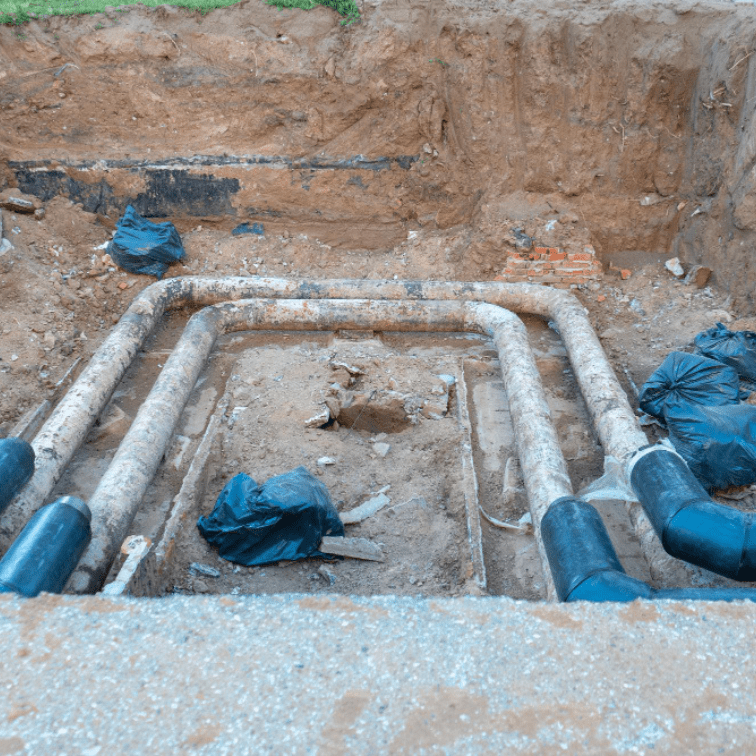
Challenges in Water Network Design: Designing an effective water distribution network involves addressing various challenges. Population growth, urbanisation, and climate change are factors that impact water supply and demand dynamics. Engineers and planners must account for these variables to create resilient and sustainable systems
Integration of Advanced Technologies: Modern water network design leverages advanced technologies such as Geographic Information System (GIS) mapping, hydraulic modelling, and sensor networks. GIS mapping enables planners to visualise and analyse the spatial distribution of water infrastructure, aiding in optimal network design. Hydraulic modelling helps simulate and optimise water flow, pressure, and distribution within the network
Potable Water Network Sustainability: Ensuring the sustainability of potable water networks is essential for long-term resource management. Design considerations include the use of eco-friendly materials, energy-efficient pumping systems, and incorporating green infrastructure. Implementing sustainable practices reduces the environmental impact of water distribution networks
Water Quality and Treatment: Maintaining water quality is paramount in a potable water network. The design should integrate effective water treatment processes to remove contaminants and ensure the delivery of clean and safe water to consumers. Regular monitoring and testing protocols are essential to identify and address potential issues promptly
Resilience and Reliability: Resilience is a key aspect of water network design, especially in the face of natural disasters or unforeseen events. Redundancy in infrastructure, backup systems, and emergency response plans contribute to the reliability of water supply networks. Smart technologies, like real-time monitoring and automated control systems, enhance the network’s ability to adapt to changing conditions
Community Engagement: Inclusive community engagement is vital for the success of water network projects. Understanding the local needs and concerns of the community helps in designing infrastructure that aligns with both technical requirements and community expectations. Public awareness campaigns also play a role in promoting water conservation and responsible usage
Regulatory Compliance: Adherence to regulatory standards and guidelines is non-negotiable in water network design. Compliance ensures that the infrastructure meets health and safety standards, protecting both the environment and public health. Collaboration with regulatory bodies is crucial throughout the planning and implementation phases
Future-Proofing Water Networks: Designing water networks with an eye toward the future is essential. Anticipating changes in population, technology, and climate allows for the incorporation of adaptable and scalable features. This future-proofing approach ensures that water networks can evolve to meet evolving demands and challenges
Read more: https://leenusindia.com/efficient-water-networks-ensuring-sustainable-supply/
#drainagesystemunderground
#rainwaterdrainagesolutions
#pipingnetwork
#undergrounddrainagesystem
#Watermanagementincities
#Drainagesystemdesign