Dropper bottles are widely used to package liquid products that require controlled dispensing in small quantities. Their combination of a compact container and a dropper closure makes them useful across pharmaceutical, healthcare, laboratory, cosmetic, and personal care applications.
The design allows users to dispense a liquid gradually rather than pouring it directly from the container. This can improve convenience and help limit unnecessary product waste. However, selecting an appropriate dropper bottle requires careful attention to material compatibility, closure performance, dosage accuracy, and storage requirements.
What Is a Dropper Bottle?
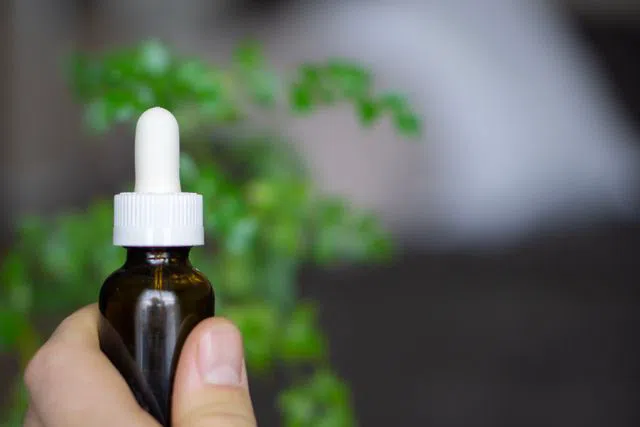
A dropper bottle is a container fitted with a closure that incorporates a pipette, bulb, or another mechanism for drawing up and dispensing liquid. The user typically squeezes the bulb to draw liquid into the dropper and releases it to dispense the contents.
Dropper bottles are available in different shapes, capacities, and material combinations. Common formats include small glass bottles with rubber bulbs and plastic bottles with integrated dispensing components.
The dropper may be attached to a screw cap or another closure designed to provide a secure fit. Depending on the intended application, the packaging may also incorporate tamper-evident features, child-resistant closures, or specialized dispensing components.
The bottle and closure should be treated as a complete packaging system because the performance of one component can affect the reliability of the other.

Common Applications of Dropper Bottles
In pharmaceutical applications, dropper bottles may be used for selected liquid medicines, ophthalmic products, and other formulations designed for controlled dispensing. The packaging must be appropriate for the product's intended route of administration and must comply with the relevant requirements.
Cosmetic manufacturers use dropper bottles for products such as facial serums, facial oils, and concentrated skincare formulations. The dropper format allows consumers to dispense small quantities while maintaining a convenient application process.
Laboratories may use dropper bottles to store and dispense certain reagents, solutions, and other liquids. In these settings, chemical compatibility, labeling, and storage conditions are particularly important.
Essential oil and specialty liquid products are also frequently packaged in dropper bottles. The appropriate material depends on the liquid's chemical properties, light sensitivity, and expected storage conditions.
Not every liquid is suitable for a standard dropper bottle. Viscous, reactive, volatile, or contamination-sensitive products may require a different container or dispensing mechanism.
Glass and Plastic Dropper Bottles
Glass is a popular material because it offers a rigid container with good compatibility for many liquid formulations. Certain glass types provide strong barrier properties and can help protect products from interactions with the container.
Amber glass can reduce exposure to selected wavelengths of light, making it useful for some light-sensitive products. However, the level of protection required should be determined by the formulation's stability characteristics.
Plastic dropper bottles are generally lightweight and less likely to break when dropped. They can be manufactured in different shapes and sizes and may offer practical advantages for transport and everyday handling.
Different plastics have different chemical resistance and barrier properties. A material suitable for one formulation may be inappropriate for another, particularly when the liquid contains solvents, oils, or other ingredients that interact with packaging materials.
The choice between glass and plastic should therefore consider product compatibility, transport conditions, consumer use, cost, and applicable regulatory requirements.
Dropper Design and Dispensing Accuracy
A dropper bottle's usefulness depends partly on how consistently it dispenses the intended quantity. The amount delivered per drop can vary according to the liquid's viscosity, surface tension, temperature, dropper geometry, and dispensing angle.
This is especially important for pharmaceutical products where the delivered quantity must meet defined requirements. A standard dropper should not automatically be assumed to provide an accurate measured dose.
Where precise dosing is necessary, manufacturers may need a calibrated dropper or another validated dispensing device. Product instructions should explain the correct method of use and any limitations associated with the dispensing system.
The pipette length, opening diameter, bulb design, and closure fit can all influence performance. Testing the assembled packaging with the actual formulation helps identify issues that may not be apparent when the individual components are assessed separately.
Closure Performance and Product Protection
A reliable closure helps limit leakage, contamination, and unnecessary exposure to air. The closure must fit securely and remain functional during filling, storage, transport, and normal consumer use.
For pharmaceutical applications, additional considerations may include tamper evidence, child resistance, and compatibility with the product's intended use. These features should be selected according to applicable regulations and the risks associated with the formulation.
Leak testing and compatibility testing can help confirm that the assembled bottle performs as intended. Manufacturers should also evaluate whether repeated opening and closing affects the closure or dispensing component.
Products that require sterile packaging or specialized contamination controls need a packaging system designed and validated for those requirements. A conventional dropper bottle should not be assumed to provide sterility simply because it has a tight-fitting cap.
Labeling and Product Identification
Dropper bottle often have limited surface area for labeling, particularly when they hold small volumes. Packaging designers must balance readability with the available space.
Labels may need to identify the product, concentration, quantity, batch number, expiration date, storage conditions, and other required details. Pharmaceutical products may also require specific directions, warnings, or identification information.
Curved surfaces can affect label application and barcode scanning. Choosing suitable label dimensions and adhesives can help prevent wrinkles, lifting, or loss of printed information.
For very small containers, secondary packaging may provide additional room for instructions and required information. Any approach must remain consistent with the applicable labeling rules.
Selecting the Right Dropper Bottle Supplier
A suitable supplier should provide consistent container dimensions, reliable closure components, and material specifications that support compatibility assessment. For pharmaceutical use, manufacturers may also need documentation relating to material quality, production controls, and relevant regulatory requirements.
Samples should be tested with the actual product before large quantities are ordered. Evaluation may include dispensing performance, leakage, closure fit, storage stability, and resistance to expected transport conditions.
Lead times, minimum order quantities, customization options, and replacement component availability should also be considered. A dependable supply arrangement helps reduce packaging interruptions and maintain consistent product presentation.
Conclusion
Dropper bottles offer a convenient way to package and dispense many liquid products in controlled quantities. Their effectiveness depends on selecting suitable materials, matching the dropper to the formulation, and ensuring reliable closure performance.
By evaluating compatibility, dosing requirements, labeling space, and quality controls, manufacturers can choose a dropper bottle system that meets the needs of their product and intended users.