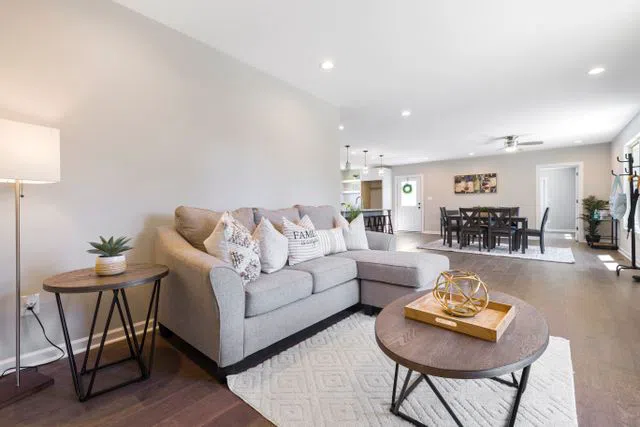
Selling a home involves more than putting a property on the market and waiting for buyers to arrive. Presentation can have a major influence on how potential buyers perceive a property, particularly during online searches and initial showings.
Real estate staging is the process of preparing a property so that its spaces appear attractive, functional, and inviting to prospective buyers. Through thoughtful furniture placement, décor, lighting, and organization, staging can help buyers understand the potential of a home and imagine themselves living there.
A staged property does not need to look overly decorated. The goal is to create a balanced environment that highlights the home's strongest features while allowing buyers to focus on the property itself.
What Is Real Estate Staging?
Real estate staging involves strategically preparing a home for sale. This may include furnishing empty rooms, rearranging existing furniture, removing unnecessary items, updating décor, and adding accessories that improve the overall presentation.
Staging is different from simply decorating a home according to the owner's personal preferences. When preparing a property for sale, the focus shifts toward creating an environment that appeals to a broad range of potential buyers.
The objective is to make the home feel welcoming while allowing buyers to see how they could use each space.
Why Staging Matters When Selling a Home
Buyers often make quick judgments about properties. Before scheduling a showing, many will already have seen photographs online. If rooms appear dark, cluttered, empty, or difficult to understand, a buyer may move on to another listing.
Staging can help create stronger visual presentation. Proper furniture placement can show the scale of a room, while carefully selected décor can make spaces feel warmer and more inviting.
A well-presented home can also make it easier for buyers to recognize its potential. Instead of wondering how an unusual room could be furnished, they can see a practical example of how the space might function.
Making Empty Rooms More Appealing
An empty room may appear larger in some situations, but it can also make it difficult for buyers to understand scale. Without furniture, it may be challenging to determine whether a particular sofa, dining table, or bed would fit comfortably.
Staging provides visual context. Appropriately sized furniture can demonstrate the proportions of the room and establish clear functional areas.
This is particularly useful in larger or unusual spaces. A properly staged room can show buyers that a space has a practical purpose rather than leaving them to figure it out on their own.
Creating Better Listing Photos
Online property listings have become an important part of the home buying process. Photography is often the first opportunity a property has to capture a potential buyer's attention.
Staging can improve the appearance of rooms before photographs are taken. Furniture can be positioned to create stronger compositions, clutter can be minimized, and decorative elements can add visual interest.
The goal is not to make photographs misleading. Instead, staging presents the property in a clean, attractive, and intentional way that accurately reflects its potential.
Highlighting a Property's Best Features
Every home has features that deserve attention. These might include large windows, architectural details, spacious living areas, fireplaces, high ceilings, updated kitchens, or attractive views.
Furniture and décor should support these features rather than hide them. A poorly positioned sofa can block a focal point, while excessive accessories can distract from architectural details.
Strategic staging helps direct attention where it belongs. The layout can encourage buyers to notice the home's strongest characteristics while maintaining a comfortable flow throughout the property.
Creating a Welcoming Atmosphere
A house can be technically clean and well maintained without feeling inviting. Staging introduces visual warmth that can help potential buyers connect emotionally with the property.
Comfortable seating, coordinated textiles, artwork, lighting, and carefully chosen accessories can create an atmosphere that feels lived in without becoming overly personal.
This balance is important. Buyers need enough visual information to understand how the property can function, but not so much personal décor that they feel like they are viewing someone else's home.
Neutral Design With Character
Successful staging often uses a relatively neutral foundation because the goal is to appeal to a broad audience. Neutral does not have to mean boring, however.
Different textures, natural materials, subtle patterns, and carefully selected accent pieces can add character while maintaining broad appeal.
The result should feel polished and sophisticated without relying on highly personal design choices. Buyers should be able to imagine adding their own furniture and belongings to the space.
Staging Different Types of Properties
The appropriate staging strategy depends on the property. A small urban apartment may require furniture that emphasizes efficient use of space, while a large luxury home may need furnishings that communicate scale and sophistication.
Vacation properties can also benefit from staging that emphasizes comfort and lifestyle. Outdoor areas, entertainment spaces, guest rooms, and open living areas can all be arranged to demonstrate how the property could be enjoyed.
Understanding the target buyer is an important part of the process. Staging should reflect the property's market and the lifestyle it is likely to attract.
Decluttering and Furniture Placement
One of the most important parts of staging is creating a sense of space. Too much furniture or too many personal belongings can make rooms appear smaller and distract buyers.
Removing unnecessary pieces can open up pathways and make the layout easier to understand. Furniture should be positioned to create natural movement while establishing clear areas for conversation, dining, relaxation, or other activities.
A less crowded room often feels more spacious and allows architectural features to become more noticeable.
Staging and Buyer Confidence
Presentation can influence how buyers interpret the overall condition of a property. A home that feels organized and carefully presented can create an impression of being well cared for.
This does not replace the importance of inspections, maintenance, or accurate property information. However, a polished presentation can help establish a positive first impression and encourage buyers to take a closer look.
The more easily buyers can understand a property's layout, features, and potential, the easier it becomes for them to evaluate whether the home is right for them.
Professional Staging for a More Competitive Market
In competitive real estate markets, presentation can help a listing stand apart from other available properties. Buyers may be comparing numerous homes with similar features, prices, and locations.
Professional staging can give a property a more cohesive appearance across photographs, virtual listings, and in-person showings. This consistency can help create a stronger overall impression.
Staging should ultimately support the property's unique characteristics rather than attempting to make every home look identical.
Preparing a Home for the Market
The best time to think about real estate staging is before the property is photographed and listed. This gives the owner or real estate professional an opportunity to identify areas that could benefit from furniture changes, updated décor, decluttering, or improved presentation.
A thoughtful staging process can transform how rooms are presented without requiring major renovations. Small changes in layout and visual organization can have a meaningful effect on how buyers experience the property.
The Value of a Well-Staged Property
Real estate staging is ultimately about helping potential buyers see the possibilities within a property. By creating attractive layouts, improving visual presentation, highlighting important features, and providing a sense of scale, staging can make a home easier to understand and appreciate.
Whether the property is a compact residence, a family home, a vacation property, or a luxury estate, thoughtful staging can create a more inviting environment and a stronger first impression.
In a market where buyers often encounter properties online before ever stepping through the front door, presenting a home effectively is more important than ever. A well-staged property gives buyers a clear vision of what the space can become while allowing the home's best qualities to take center stage.