Interior blinds are a practical way to manage sunlight, improve privacy, and enhance the appearance of a home or business. In Atlanta, GA, where bright sunshine and long, warm seasons can affect indoor comfort, the right window coverings help create more functional living and working spaces. With options ranging from natural wood blinds to moisture-resistant faux wood and sleek aluminum designs, homeowners can select treatments that suit each room's needs.
Choosing interior blinds involves more than matching a color to the decor. Material, light control, privacy, maintenance, and energy efficiency all influence how well a window treatment performs. Understanding these factors makes it easier to choose blinds that complement Atlanta homes while offering everyday convenience.
Why Interior Blinds Are Useful in Atlanta Homes
Atlanta's sunny climate makes light management an important part of interior design. Direct sunlight can create glare on television screens, make rooms uncomfortable during warmer afternoons, and contribute to fading in furniture, flooring, and decorative fabrics. Interior blinds allow homeowners to adjust the amount of light entering a room throughout the day.
Unlike window coverings that use a single panel of fabric, blinds typically feature adjustable slats. These slats can be tilted to direct incoming light, increase privacy, or reduce glare while still allowing some daylight into the space. Raising the blinds completely also provides an unobstructed view when desired.
The right blinds can contribute to indoor comfort as well. Some materials provide an additional insulating layer at the window, helping manage heat transfer. While blinds alone cannot eliminate the effects of outdoor temperatures, selecting suitable products can support broader efforts to maintain comfortable indoor conditions.
Privacy is another important consideration. Bedrooms, bathrooms, street-facing windows, and rooms close to neighboring properties may require different levels of coverage. Adjustable blinds make it possible to adapt the window treatment to changing needs throughout the day.
For Atlanta homeowners, well-chosen blinds offer a combination of light control, privacy, and design flexibility.
Wood Blinds for Natural Warmth and Timeless Style
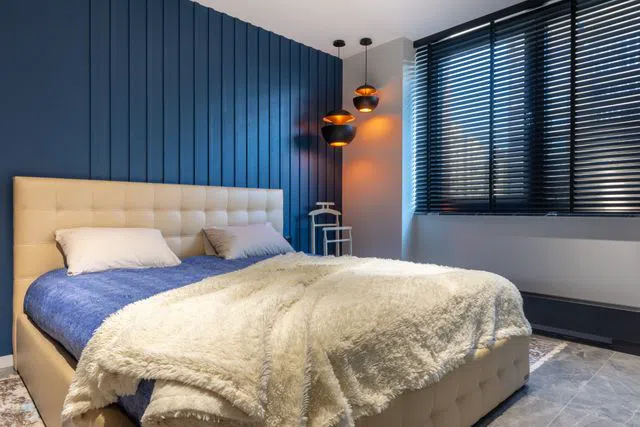
Wood blinds are a popular option for homeowners who want natural texture and warmth in their interiors. Their horizontal slats introduce architectural detail while complementing a wide range of traditional and transitional design styles.
The natural appearance of wood works well with hardwood flooring, wooden furniture, neutral wall colors, and other organic finishes. Depending on the chosen stain or paint color, wood blinds can blend into the room or provide contrast around the windows.
Their adjustable slats allow users to manage sunlight and privacy without completely blocking natural light. This flexibility makes them suitable for living rooms, dining areas, bedrooms, and home offices where lighting conditions change throughout the day.
Wood blinds can also provide some insulation at the window, although their contribution to energy efficiency depends on the product, fit, and other characteristics of the window.
When considering wood blinds, it is important to think about the environment in which they will be installed. Areas with frequent moisture or humidity may require a different material to reduce maintenance concerns. Kitchens and bathrooms, for example, often benefit from alternatives designed to handle damp conditions more effectively.
For rooms where natural materials and classic styling are priorities, wood blinds offer an attractive way to combine function with interior character.
Aluminum Blinds for Modern and Practical Spaces
Aluminum blinds provide a streamlined appearance that suits contemporary homes, offices, and other spaces where simplicity is desirable. Their clean lines can complement modern furniture, neutral color schemes, and minimalist interiors.
One of their main advantages is practicality. Aluminum is moisture-resistant and easy to clean, making aluminum blinds a useful option for kitchens, bathrooms, and utility areas where humidity or everyday splashes may be a concern.
The adjustable slats provide flexible light control. Homeowners can tilt them to reduce glare, direct daylight, or increase privacy without needing to raise the entire blind. This makes them particularly useful in rooms that receive strong sunlight at different times of day.
Aluminum blinds are also suitable for commercial environments. Offices can use them to manage glare on computer screens, while other businesses can create a neat, professional appearance across multiple windows.
Color selection helps determine how the blinds fit into the space. Neutral shades offer a subtle look, while darker finishes can create contrast against lighter walls or window frames.
For homeowners and business operators seeking a straightforward window covering that is easy to maintain, aluminum blinds are worth considering.
Faux Wood Blinds for Moisture Resistance and Versatility
Faux wood blinds provide the appearance of traditional wood while offering a practical alternative for areas where moisture resistance is important. They are generally made from composite or synthetic materials designed to resemble the color and texture of natural wood.
This combination makes faux wood blinds appealing to homeowners who want a classic appearance without choosing natural wood for every room. They can complement traditional, transitional, and contemporary interiors, depending on the color and finish.
Moisture resistance makes them particularly useful in kitchens, bathrooms, laundry rooms, and other areas where humidity can be a concern. They are also generally straightforward to clean, which helps simplify routine maintenance.
Faux wood blinds feature adjustable slats that provide control over light and privacy. Users can tilt the slats to soften direct sunlight or close them for greater coverage. Their appearance can coordinate with cabinetry, flooring, furniture, and other interior finishes.
Affordability may also influence the decision. Faux wood can provide a wood-inspired look at a different price point from natural wood, depending on the product and specifications.
When comparing options, consider the material's construction, slat size, color choices, and suitability for the intended location. These details help determine whether faux wood blinds are the right fit for a particular room.
Vertical Blinds for Large Windows and Glass Doors
Vertical blinds offer a different arrangement from traditional horizontal blinds. Their vertically oriented slats can be drawn to one side or adjusted to manage incoming light, making them a useful option for larger windows and sliding glass doors.
In Atlanta homes, vertical blinds may suit rooms that open onto patios, balconies, or outdoor living areas. Their design allows access through suitable door openings while providing coverage when privacy or light control is needed.
They can also work well in commercial spaces with wide windows or glass partitions. By coordinating the blind color with the surrounding interior, businesses can create a consistent appearance while maintaining practical control over sunlight.
Material choice influences how vertical blinds look and perform. Depending on the available product, homeowners may be able to select finishes that complement modern or more traditional interiors.
Before choosing vertical blinds, consider the width and height of the opening, available space for the blinds when drawn aside, and how frequently the doors or windows will be used. These details help ensure the finished treatment works with the room's layout.
How to Choose the Right Interior Blinds
Selecting the best blinds begins with identifying the primary purpose of each window covering. A bedroom may require privacy and effective light control, while a kitchen may need a material that is easy to clean and resistant to moisture. An office may benefit from blinds that reduce glare without making the room unnecessarily dark.
Once the requirements are clear, compare the materials and styles that best meet them.
Wood blinds are suitable for spaces where natural warmth and traditional styling are priorities. Aluminum blinds offer a clean appearance and practical moisture resistance. Faux wood blinds provide a wood-inspired look with greater suitability for many humid environments. Vertical blinds can be useful for larger windows and glass doors.
Other considerations include the desired level of privacy, ease of operation, and maintenance requirements. Cordless systems can provide a cleaner appearance and eliminate dangling operating cords, an important consideration in homes with children or pets. Motorized blinds may be convenient for hard-to-reach windows or installations involving multiple coverings.
Color and texture should complement the room's existing design. White and other neutral shades can create a subtle finish, while wood tones may coordinate with flooring and furniture. Darker blinds can introduce contrast and emphasize window openings.
It is helpful to view samples in the actual room before making a final decision. Natural light can change how a color appears, and the relationship between blinds, wall colors, flooring, and furniture may be different from what is expected based on a photograph.
Interior Blinds for Atlanta Homes and Businesses
Custom interior blinds Atlanta can improve the usability of residential and commercial spaces alike. In homes, they provide adjustable light control and privacy in living rooms, bedrooms, kitchens, bathrooms, and home offices.
Custom sizing can also help accommodate windows and doors that do not fit standard dimensions. Measuring each opening carefully helps ensure that the finished blinds provide appropriate coverage and operate as intended.
Commercial properties have their own requirements. Offices often need to manage sunlight and glare to create a comfortable working environment. Retail businesses may want window coverings that control brightness while complementing their interior design. Other commercial spaces may prioritize durability, ease of cleaning, or consistent appearance across numerous windows.
The best solution depends on the purpose of the space and how the window coverings will be used. Material selection, operating systems, and installation details should all be considered before placing an order.
Working with a window treatment professional can help simplify these decisions. Reviewing available samples, comparing material characteristics, and discussing room-specific needs can make it easier to select blinds that meet practical requirements without compromising the overall design.
Why Accurate Measurement and Professional Installation Matter
Proper measurement is essential to achieving a clean appearance and reliable operation. Blinds that are incorrectly sized may leave unwanted gaps, interfere with nearby fixtures, or fail to fit comfortably within the window opening.
The mounting method also affects the final result. Inside-mounted blinds sit within the window frame and can create a neat, integrated appearance when the opening has sufficient depth. Outside-mounted blinds attach beyond the frame and may be useful when additional coverage is needed or the window design does not allow an inside mount.
Window handles, trim, frame depth, and nearby doors can all influence which installation method is appropriate. These details should be reviewed before selecting the final product.
Professional installation helps ensure that blinds are fitted securely and operate smoothly. It can be particularly valuable for large windows, multiple-room projects, and installations where consistent alignment is important.

Interior Blinds for Atlanta and Surrounding Communities
Homes and businesses throughout Metro Atlanta have different architectural styles, window sizes, and lighting conditions. Properties in Buckhead, Brookhaven, Sandy Springs, Dunwoody, Alpharetta, Smyrna, Vinings, Norcross, Johns Creek, Chamblee, and Roswell may each benefit from a different combination of blinds and materials.
A home with traditional interior finishes may suit natural wood blinds, while a contemporary property may benefit from aluminum designs. Rooms exposed to frequent moisture may be better served by faux wood or other suitable moisture-resistant options.
Considering the individual needs of each room makes it easier to create a consistent look throughout the property without sacrificing functionality.
Find the Right Interior Blinds for Your Space
Interior blinds offer Atlanta homeowners and businesses a practical way to manage sunlight, improve privacy, and complement their interiors. Wood, aluminum, faux wood, and vertical blinds each have distinct characteristics, making it important to match the product to the room's purpose and conditions.
By evaluating material, style, maintenance, energy efficiency, and operating preferences, you can select window coverings that balance appearance with everyday performance. Accurate measurements and proper installation help ensure the finished blinds fit well and function as intended.
With careful planning, interior blinds can become a useful and attractive part of a comfortable, well-designed Atlanta home or business.